On 28/11, Airbus announced an urgent recall of 6,000 A320 series aircraft to address a software error. This decision came after a JetBlue flight from Cancun, Mexico, to Newark, US, experienced an altitude loss in late october, resulting in some passenger injuries and prompting an investigation by the Federal Aviation Administration.
According to Airbus, the fix primarily involves reinstalling a software version, a relatively simple procedure. However, it must be completed before the aircraft can fly again. Only about 1,000 older aircraft require hardware replacement.
Approximately 11,300 A320 series aircraft are in operation globally, with 6,440 being the basic A320 model. Airbus stated that each aircraft's software update takes two to three hours. "I sincerely apologize to the affected airlines and passengers," Airbus CEO Guillaume Faury wrote on social media.
Airlines worldwide worked through the night of 28/11 to the morning of 29/11, after global regulators mandated the fix before aircraft could resume flights.
A fortunate aspect was that the recall was issued as European and Asian airlines were nearing the end of their daily flight schedules. Since A320s primarily serve short and medium-haul routes, they typically have fewer night flights. This timing allowed many airlines to update the software, minimizing flight delays and cancellations.
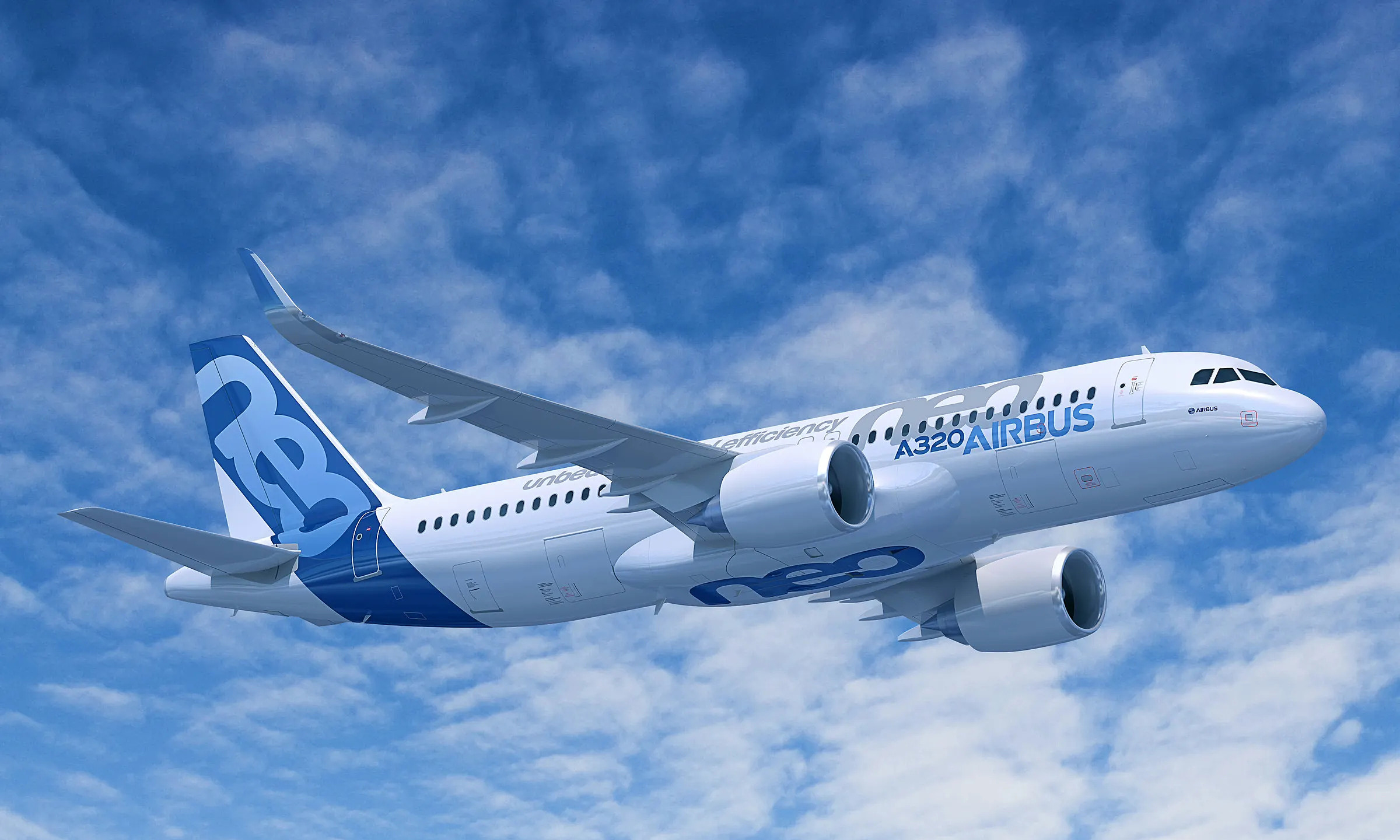 |
The A320neo aircraft model. Photo: Airbus |
Steven Greenway, CEO of Saudi Arabian airline Flyadeal, noted that the evening alert prevented more severe disruptions. The airline completed repairs on all 13 affected aircraft, returning to normal operations by midnight.
By late 29/11, other Asian airlines were still racing to complete software updates. AirAsia anticipated finishing within 48 hours. IndiGo, based in India, reported processing 184 of 200 aircraft, while Air India completed 69 of 113. In Japan, ANA canceled 95 flights, affecting 13,500 passengers. Nippon Airways, which operates over 30 A320 aircraft, canceled 65 domestic flights on 29/11 and indicated a few more cancellations might occur on sunday. Japan Airlines remained unaffected as it primarily uses Boeing aircraft.
According to Asia-based aviation analyst Brendan Sobie, the situation was not as chaotic as feared. "But it did create some short-term operational difficulties," he observed.
In Europe, French Transport Minister Philippe Tabarot stated that the impact was limited, and the situation was "almost completely back to normal at airports." Disruptions in the UK were also minimal; British Airways, for instance, only had three aircraft requiring the fix.
Lufthansa, a German airline, completed most updates during the night of 28-29/11. The airline did not cancel any flights but anticipated a few weekend delays. Wizz Air, based in Hungary, confirmed that all affected aircraft were updated. According to expert John Strickland, the financial impact on European airlines was not substantial because the incident occurred before the year-end holiday and ski seasons.
Meanwhile, the US aviation industry received Airbus's notification during the peak Thanksgiving holiday period, typically the busiest travel weekend of the year. Over 500 US-registered aircraft were estimated to be affected, yet airlines reported no severe disruptions.
According to American Airlines, 209 aircraft needed the fix, fewer than initially expected, with most completed on 28/11. One day later, the airline reported only 4 aircraft still needed updates, with "no further impact expected."
Approximately 50 of Delta's A321neo aircraft were affected, while 6 aircraft in United's fleet required software updates, leading to only a few flight disruptions.
By Phien An (Reuters, AP)