On 29/7, the DJIA on the US stock market recorded its sharpest decline since 4/2025, plummeting 1,100 points, or 2%. The S&P 500 and Nasdaq Composite also fell, losing 1.5% and 1.7% respectively. This downturn on Wall Street was primarily driven by signals from the bond market, indicating the Federal Reserve (Fed) might be lagging in its fight against inflation.
Jeffrey Gundlach, an analyst at DoubleLine, told CNBC: "If they really want to bring inflation back to the 2% target, I think they have to raise interest rates."
Despite emphasizing its mission of price stability, Fed Chair Kevin Warsh affirmed in a press conference: "I want to emphasize that the Committee's decisions are very important. When we deem it necessary and appropriate, we will not hesitate to act."
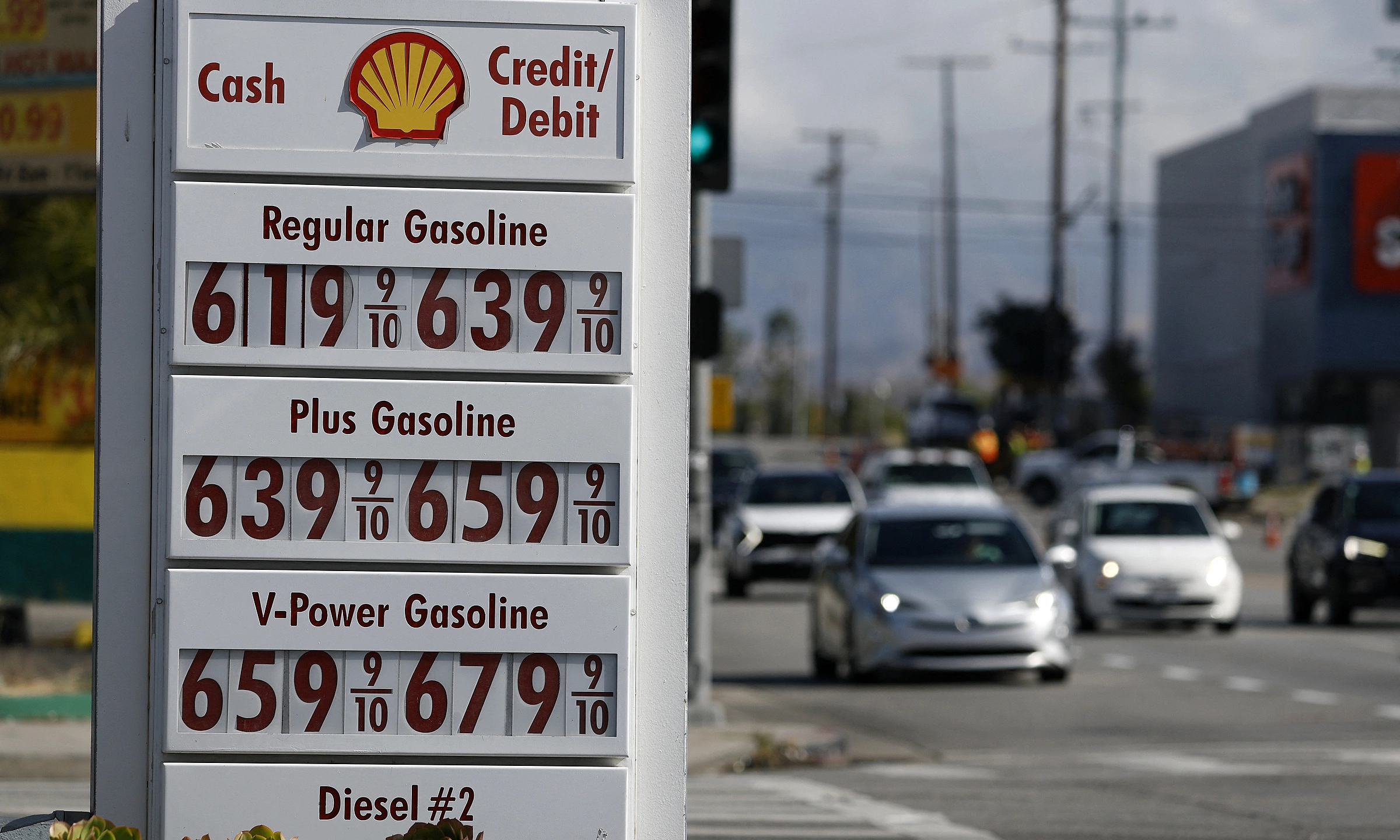
Brent crude closed up 7.9% at USD 90.7 a barrel on 29/7, while US WTI crude rose 6.5% to USD 84.4. Oil prices rebounded after several sessions of decline, fueled by renewed conflict in the Middle East, which heightened investor concerns about supply.
The US and Arab Saudi launched airstrikes against Iran-backed armed groups in Iraq, accusing them of drone attacks on Arab Saudi oil facilities. This action came just hours after the US military reported intercepting an unexpected Iranian attack targeting US troops in the region. Iran also claimed attacks on vessels in the Strait of Hormuz and US military bases in Jordan.
John Kilduff, an analyst at Again Capital, commented: "The market is quickly repricing regional supply risks." Oil prices surged further after President Donald Trump announced additional airstrikes against Iran.
Adding to supply concerns, US government data revealed domestic crude oil inventories fell to an 8-year low.
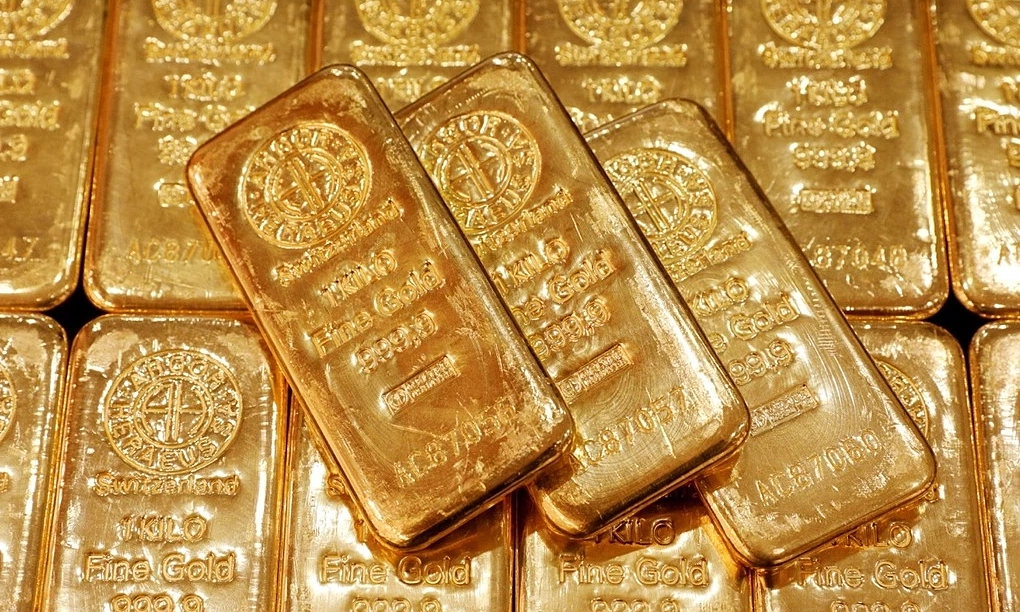
In the gold market, global spot gold prices closed up USD 37 to USD 4,065 an ounce. During the session, prices temporarily exceeded USD 4,100. The gold market rose after news that the Federal Reserve (Fed) maintained its benchmark interest rate, causing the US dollar to weaken. A weaker USD makes gold cheaper for non-US buyers.
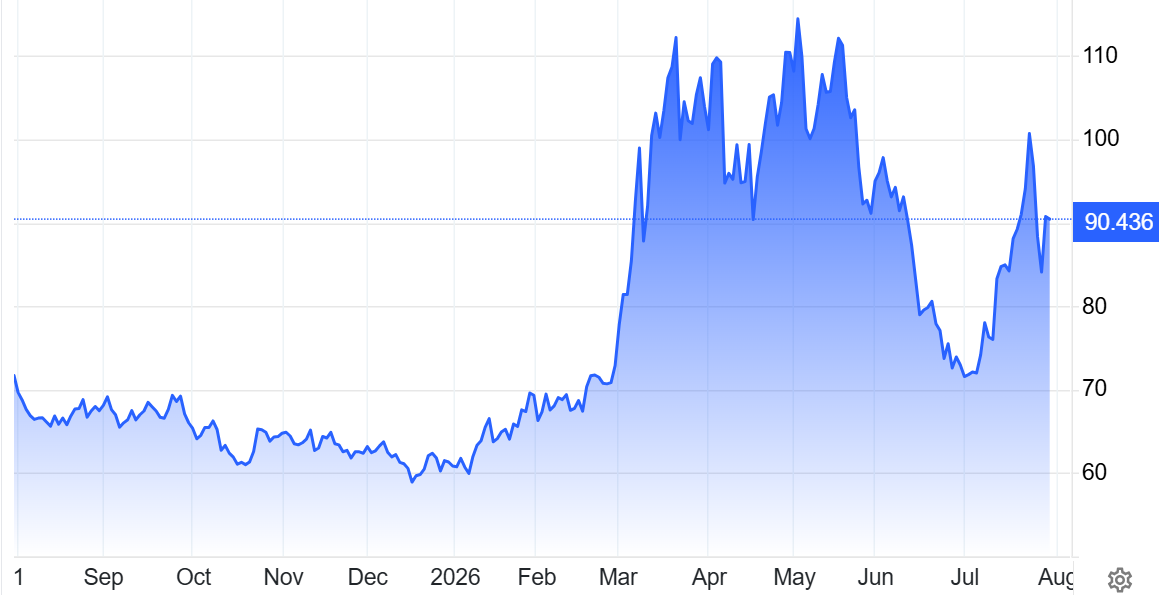 |
Brent crude price movements over the past one year. Chart: *Trading Economics*
Ha Thu (according to Reuters, CNBC)