Sources from Politico indicate that Washington is developing a legal process to impose a 90-day ban on diesel exports. If implemented, this would mark the first time the US has restricted energy exports since the Obama administration lifted a decades-long oil export ban in 2015.
The motivation behind this initiative is to retain more diesel for domestic consumption, helping to cool rising retail fuel prices since the conflict in Iran.
On 24/9, the national average diesel price stood at USD 6,514 per gallon, 90 cents higher than a month ago and more than USD 2,8 higher than the same period in 2025, according to AAA. This could exacerbate inflation, negatively impacting the Republican Party in the November midterm elections.
President Trump expressed his support, stating that a decision would be made soon "one way or another". "I have said, don't export diesel anymore. We produce a lot of diesel," he told reporters last week.
Trump's consideration immediately drew attention from analysts and the business community. Many opinions suggest against a complete export ban, arguing it could only offer short-term, localized relief for diesel prices.
According to Bloomberg's analysis, US producers would suddenly face a surplus of diesel, leading to price drops in some US regions. However, other areas might not benefit significantly due to differences in refining, transportation, and distribution across regions.
In the long term, the consequences could be complex and costly. Wood Mackenzie predicts that a ban would result in a surplus of approximately 700,000 barrels per day of diesel and related products, requiring storage. Storage facilities would fill up in just over one month, forcing refineries to reduce crude oil processing by more than 2 million barrels per day, equivalent to a 12% cut in capacity.
The American Fuel & Petrochemical Manufacturers (AFPM) warned that reduced refining output would ultimately lead to higher prices. Additionally, a ban could trigger retaliatory measures from countries exporting oil to the US, increasing the cost of imported fuel.
According to the American Petroleum Institute (API), export restrictions "would only worsen the problem, increasing difficulties for refining operations and harming consumers". "The solution is to increase supply and flexibility, not impose new restrictions," stated API CEO Mike Sommers.
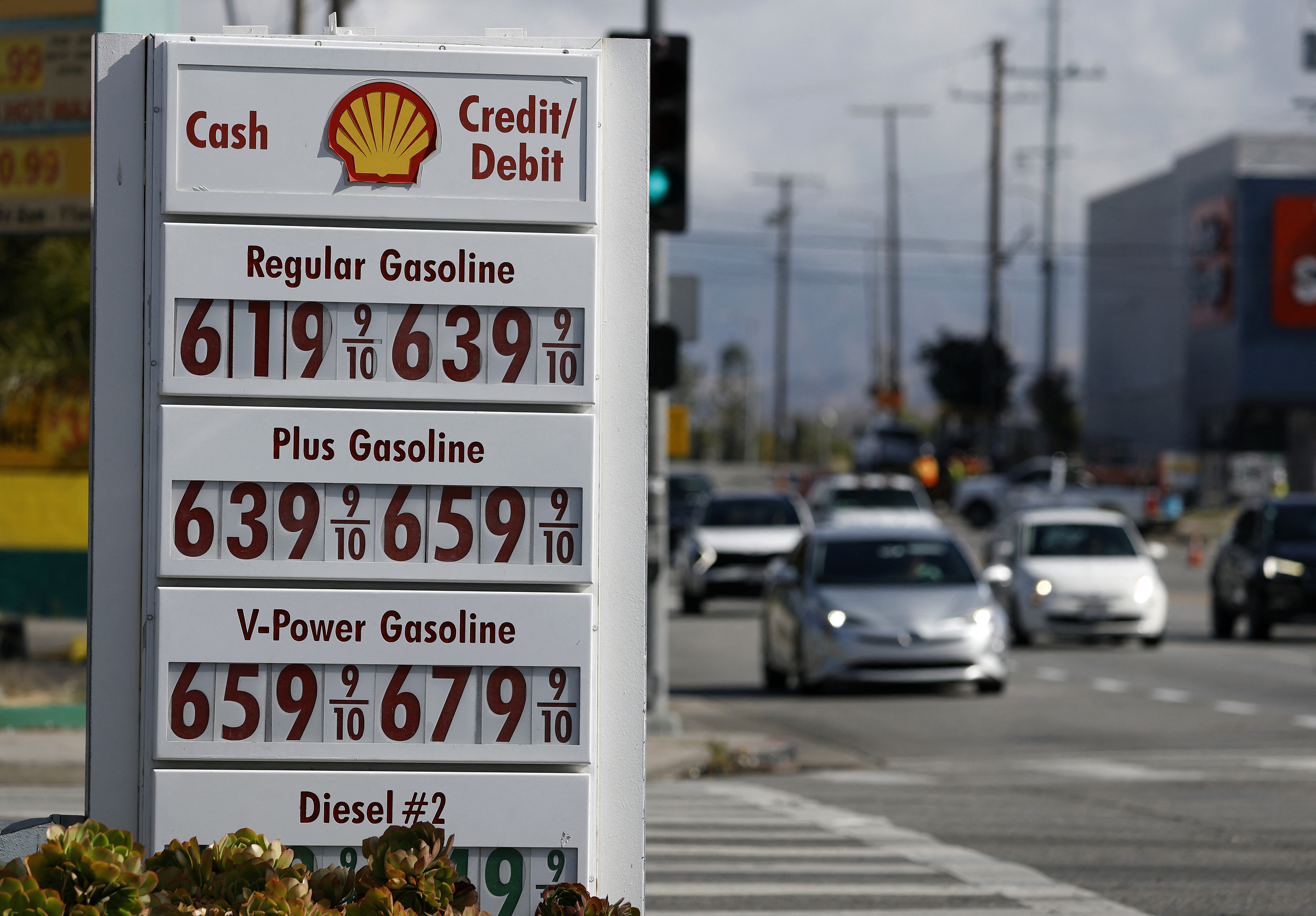 |
Gasoline and oil prices listed at a sales point in Los Angeles, California on 4/5. Photo: AFP |
David Oxley, chief economist for climate and commodities at Capital Economics, forecasts that a complete ban would backfire if implemented. "A US diesel export ban would exacerbate already severe tensions in the global diesel market and push prices outside the US even higher in the short term," he added.
The European Union (EU) this week expressed concern about Washington's idea, as the bloc heavily relies on US supply and is seeking to cool escalating fuel prices. European Commission spokesperson Olof Gill called the plan "not good". "Any disruption would carry the risk of negative impacts for both sides," he commented on 24/9.
Several energy industry CEOs have contacted the White House to oppose the ban, noting that "the situation is currently very chaotic". Concurrently, some Republican lawmakers and administration officials are still attempting to persuade President Trump that a ban could be counterproductive, according to Politico.
It is possible the White House will seek alternatives to a comprehensive 90-day ban. "We are evaluating feasibility, based on overall refining capacity and whether a total or partial ban would be effective," Treasury Secretary Scott Bessent stated on 22/9.
By 23/9, US Energy Secretary Chris Wright commented that a ban would not be able to control the sharp rise in fuel prices. Sources from Reuters indicate that in recent days, Wright has contacted leaders of several major US oil refining companies to gauge their willingness to voluntarily limit diesel exports.
Another energy industry official suggested that the likelihood of a ban being implemented might depend on who ultimately persuades President Trump when he makes his decision.
Phien An (according to AP, Reuters, CNBC)