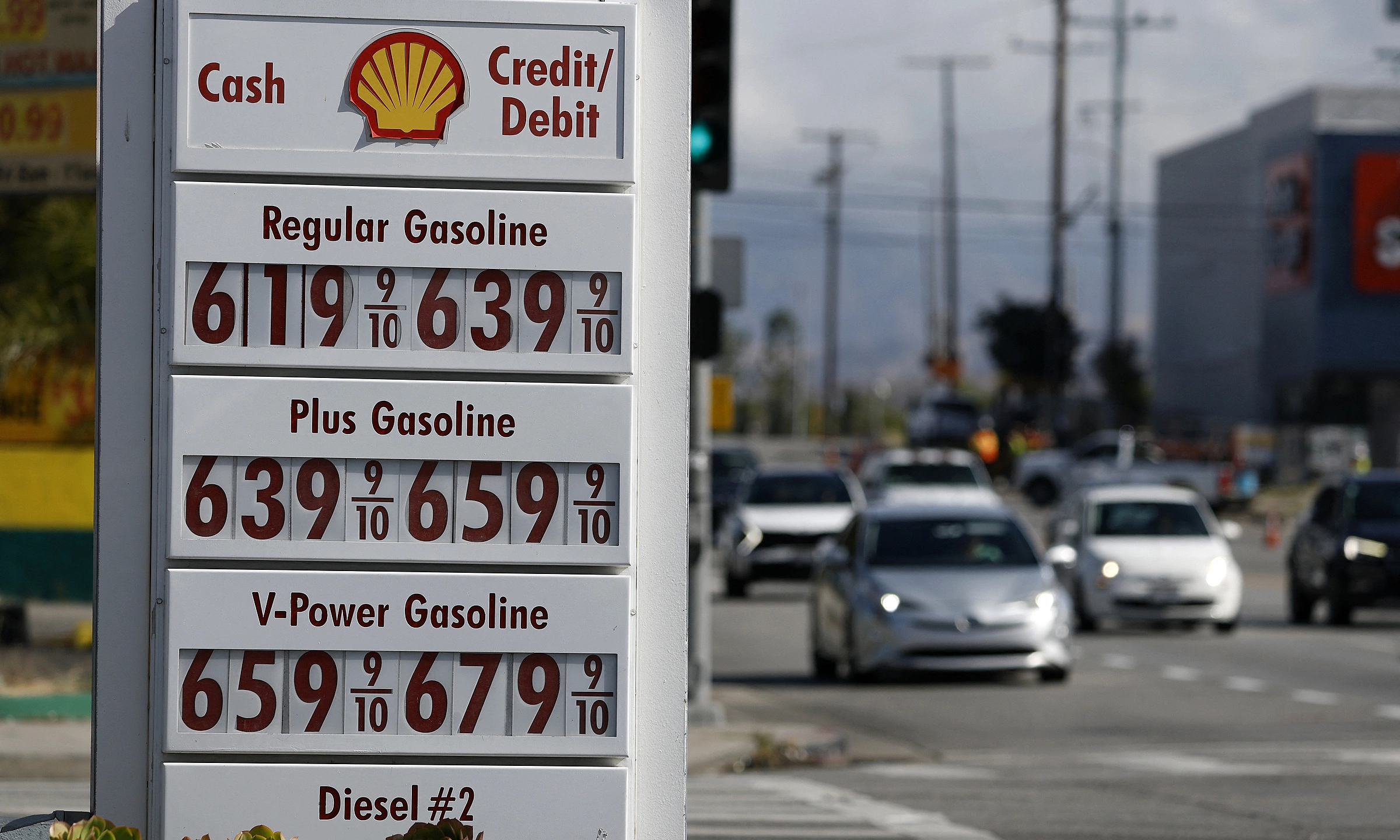
Global oil prices saw a significant rebound on 28/9, with Brent crude climbing nearly 2% to USD 106 a barrel. US WTI crude also rose 1.3% to USD 93.6. This market surge followed US President Donald Trump's rejection on 26/9 of Iran's peace initiative, which aimed to end the Middle East conflict and reopen the Hormuz Strait.
Speaking to reporters at the White House, Trump stated that Iran was eager for an immediate agreement because "they are losing too badly." His comments signaled a firm stance against the proposed diplomatic resolution.
In response to Trump's rejection, Iranian officials on 27/9 emphasized that only diplomacy could resolve the ongoing conflict. Foreign Minister Abbas Araghchi declared, "Our conditions are very clear, and any move towards reopening the Hormuz Strait depends on meeting these conditions." Iran's proposal advocates for an end to all hostilities across the Middle East, including in Lebanon.
Araghchi further highlighted that these conditions align with a memorandum signed with the US in June. Key demands include the release of Iran's frozen assets, the lifting of oil sanctions, and an end to the maritime blockade. Iran committed to reopening the Hormuz Strait on the 7th day of a ceasefire, once these conditions are met.
The Middle East conflict has persisted for seven months, spreading across multiple countries in the region and causing disruptions to global oil supply. On 27/9, the Saudi-led coalition in Yemen reported intercepting airborne objects launched by Iran-backed Houthi forces, underscoring the ongoing regional instability.
Earlier this month, President Trump had expressed his expectation for the conflict to conclude shortly after the US midterm elections, predicting a subsequent drop in crude oil prices. However, his recent rejection of Iran's peace offer suggests a prolonged period of uncertainty for the oil market.
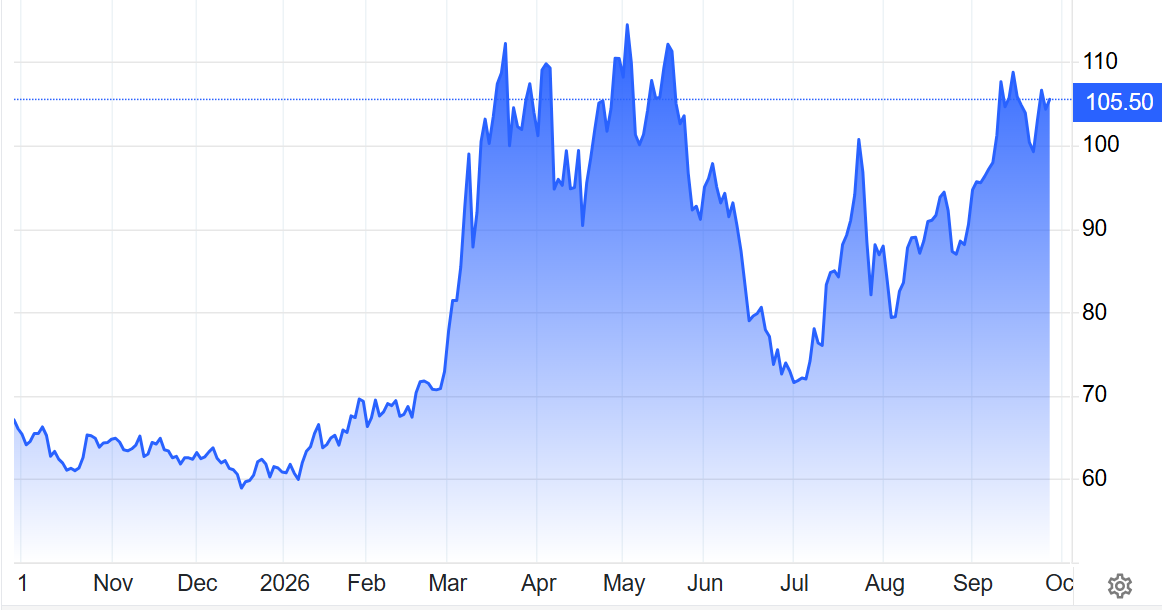 |
Brent oil price movements over the past year. Chart: Trading Economics |
Ha Thu (Reuters, CNBC)