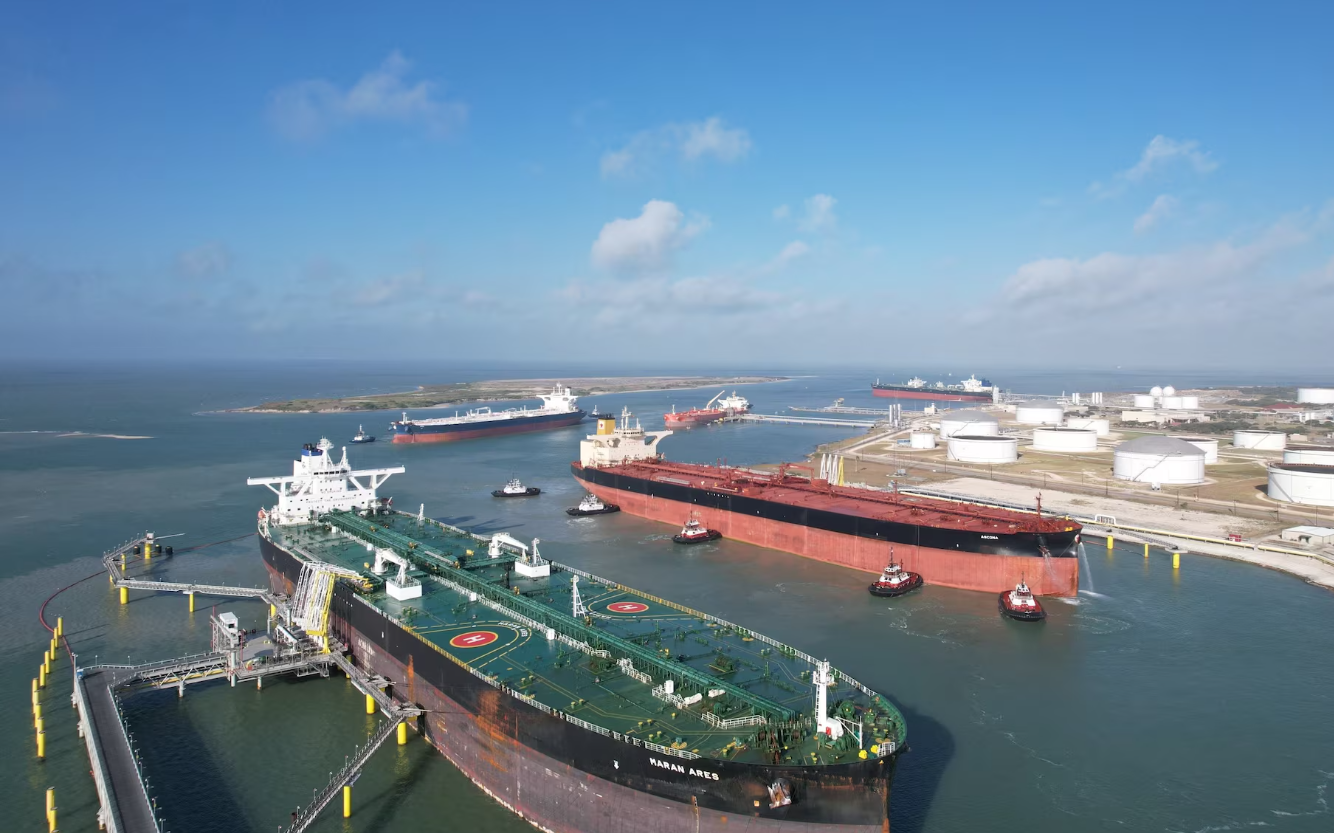
On 14/4, Brent crude oil prices closed down 4,6% to 94,8 USD per barrel. US WTI crude fell 7,8% to 91,2 USD. Both oil types continued to see slight declines on 15/4.
The market downturn was driven by expectations of Iran resuming negotiations with the US and Israel. These talks aim to resolve a conflict that has paralyzed the Strait of Hormuz, a critical maritime route for global crude oil and refined product shipments.
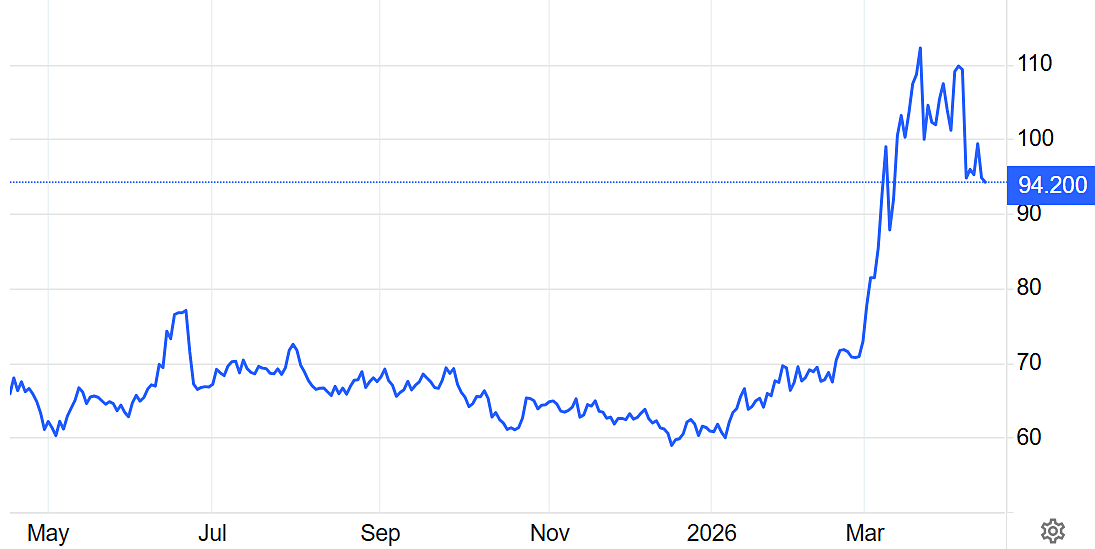 |
Brent crude oil price movements over the past year. *Chart: Trading Economics*
"Investors are likely anticipating a better outcome. Current developments also suggest that market disruptions have already been fully priced in", said John Kilduff, an analyst at Again Capital.
On 14/4, Reuters cited sources indicating that US and Iranian negotiating teams might return to Islamabad this week. A US official confirmed that discussions are ongoing to reach an agreement, while Pakistan Prime Minister Shehbaz Sharif stated that efforts are still underway.
While the potential resumption of US-Iran negotiations has eased price pressures, investors are overlooking the issue of stranded oil barrels", stated Tamas Varga, an analyst at PVM Oil Associates.
Attacks on Middle East energy infrastructure and Iran's blockade of the Strait of Hormuz are causing the largest supply disruption in history. The International Energy Agency (IEA) reported that 10 million barrels of oil were lost globally each day in March.
On 13/4, the US military announced that the Strait of Hormuz blockade would extend eastward into the Gulf of Oman and the Arabian Sea. Tracking data showed two vessels turning back in the strait as the blockade took effect. However, three Iranian-linked oil tankers entered the Gulf and were permitted to continue their journeys, as their destinations were not Iranian ports.
Global gold prices also rose by 100 USD to 4.839 USD per ounce on 14/4. News of potential second-round negotiations between the US and Iran buoyed the market. Previously, gold prices faced pressure as the Middle East conflict drove inflation higher, making central banks hesitant to lower interest rates. A high interest rate environment is generally unfavorable for precious metals.
Another factor contributing to the rise in gold prices was a weaker US dollar on 14/4. A depreciating USD makes gold more affordable for buyers holding other currencies.
Ha Thu (Reuters)