In just three weeks since the Middle East conflict erupted, global gold prices at one point dropped by 25%, nearing 4,100 USD an ounce on 23/3. Domestic gold prices also saw sharp fluctuations mirroring global trends, falling 25 million VND per tael from their peak, a 15% adjustment.
Contrary to expectations that it would serve as a "safe haven" amid escalating geopolitical tensions, the price of the precious metal is declining sharply and faces many unpredictable factors, experts say.
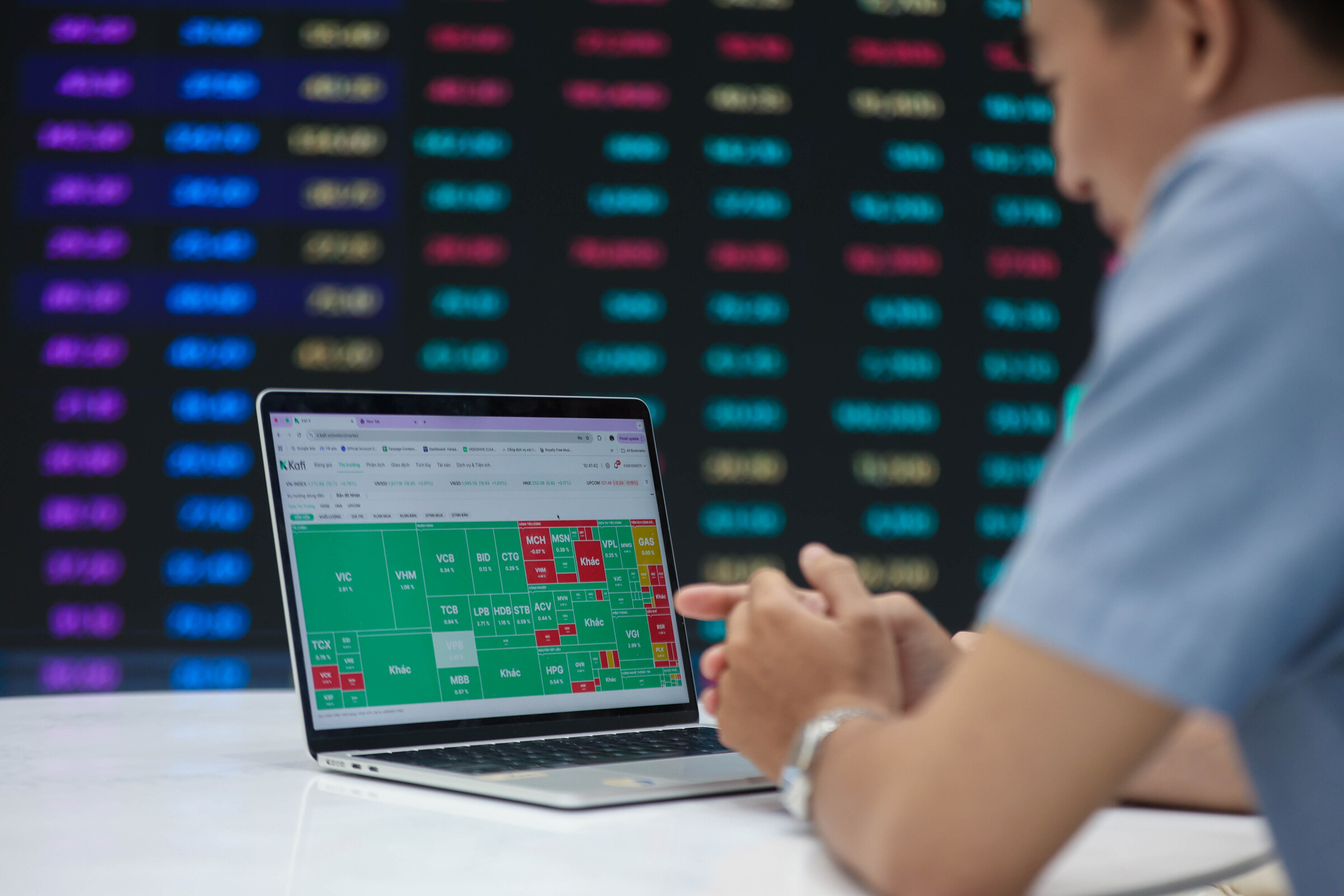
Speaking with VnExpress on the afternoon of 23/3, Huynh Trung Khanh, Vice Chairman of the Vietnam Gold Business Association (VGTA), stated that gold prices are under pressure as stock markets decline, causing many funds to incur losses and face margin calls. To replenish capital, these funds are forced to sell gold – a highly liquid asset – to maintain their investment positions.
Unlike previous conflicts, the current Middle East tension is influencing oil prices, a factor that directly impacts the global economy. These two indicators are currently moving in opposite directions.
"Gold prices are fluctuating very rapidly in response to the conflict situation, which is linked to oil prices. Any predictions at this time carry high risk," Khanh shared.
From an academic perspective, Nguyen Huu Huan, a senior lecturer at the University of Economics Ho Chi Minh City, noted that the relationship between gold and oil is not always positively correlated. In the long term, these two assets often show a positive correlation as they both reflect inflation risks and geopolitical instability, as seen during the 1970s oil crisis or the 2008 period.
In the short term, particularly during the initial stages of energy shocks, this relationship can reverse. When oil prices surge unexpectedly, the market anticipates interest rates will remain high to control inflation. This leads to an increase in bond yields and the USD, subsequently putting pressure on gold – a non-yielding asset.
Furthermore, Huynh Trung Khanh explained that automated trading activities contribute to amplifying the decline. Many investment funds use scenario-based trading models; when adverse market fluctuations occur or oil prices exceed a threshold, systems simultaneously trigger gold sell orders, creating intense selling pressure in a short period.
Concurring, Huan shared that forecasting gold prices is now more challenging than before. The market structure has changed significantly with the substantial participation of speculative funds, ETFs, and short-term capital flows, meaning gold no longer purely reflects its safe haven role but exhibits clear financialization. Therefore, gold prices can fluctuate sharply based on capital flows and market expectations, rather than solely on fundamental factors.
Looking back at history, gold has experienced cycles of sharp increases followed by deep corrections. From 2008-2011, gold prices rose to nearly 1,900 USD per ounce before entering a prolonged decline as the economy recovered and interest rates increased. However, the current context presents some differences, such as increased geopolitical instability and a trend of many central banks, especially in emerging economies, increasing their gold reserves. This creates a more stable fundamental demand for the market. Nevertheless, the risk of correction after a period of rapid growth, according to Huan, remains a factor to consider.
Huynh Trung Khanh maintains a positive long-term outlook for gold prices, viewing current fluctuations as short-term. However, the expert from the Gold Business Association also advises investors to act cautiously at this time and monitor further developments in the conflict.
Meanwhile, Nguyen Huu Huan suggests gold should be seen as a risk-hedging asset within a portfolio, with an appropriate allocation, rather than a short-term speculative channel. Investors should avoid chasing prices when they rise and prioritize a long-term asset allocation strategy.
According to UOB Bank's analysis team, gold prices face short-term pressure as the USD strengthens, but the precious metal's medium- and long-term outlook remains positive. The bank maintains a positive long-term view for gold, which could reach 6,000 USD per ounce by early next year.
Quynh Trang