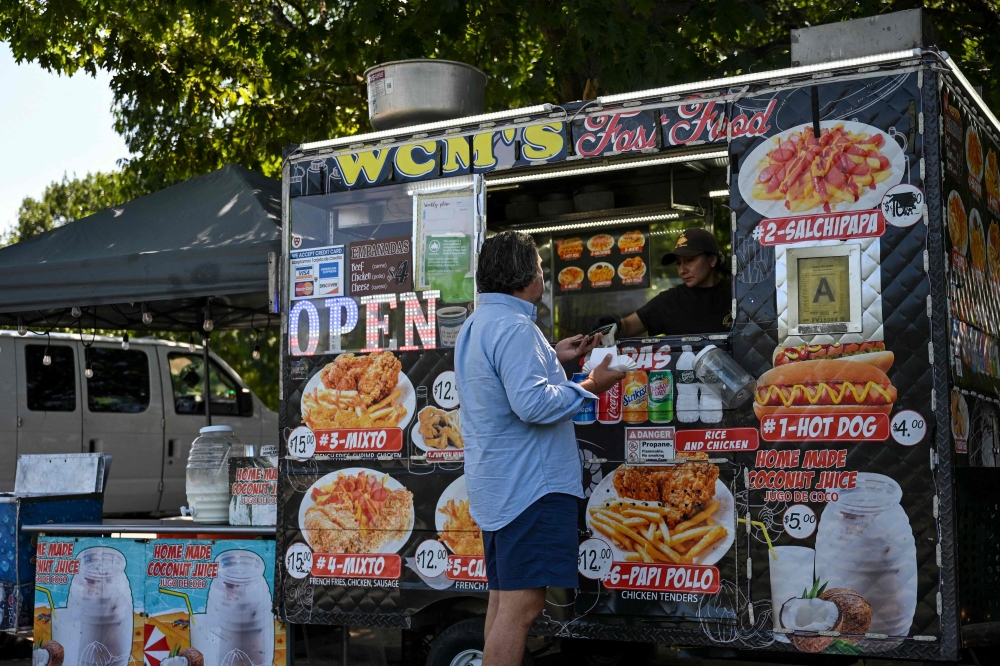
Attracted by an appealing price, Bich Hong, 36, from Ho Chi Minh City, switched to a new online store to buy her pet's usual food. However, she ultimately returned the product, suspecting it was counterfeit.
"The kibble didn't look like the brand I regularly buy", she said.
Like Bich Hong, many consumers are drawn in by bargain prices, making them susceptible to purchasing low-quality goods through online channels. Duc Nam, 29, from Nhieu Loc ward, Ho Chi Minh City, once "hunted for a super sale" on a 1,2-liter bottle of D-brand shampoo. He ended up discarding it due to its poor quality. "The scent wasn't normal, and the oil felt strangely viscous, so I didn't dare to use it", he recounted.
The Department of E-commerce and Digital Economy (Ministry of Industry and Trade) estimates that the online retail market reached 31 billion USD last year. In Q1/2026, the four largest multi-industry e-commerce platforms – Shopee, TikTok Shop, Lazada, and Tiki – generated a gross merchandise value (GMV) of approximately 148,600 billion VND, an increase of almost 47% compared to the same period in 2025, according to Metric.
Beyond expanding sales, the number of online stores grew by almost 4%, reaching 490,900 shops. However, market development also brings the problem of counterfeit goods, with numerous cases detected since the beginning of the year.
Last month, the owner of a business household in Cho Lon ward, Ho Chi Minh City, was arrested for selling a large quantity of counterfeit clothing, footwear, handbags, and watches imitating famous brands protected in Vietnam, such as Gucci, Louis Vuitton, Burberry, Dior, Hermes, and Rolex, across platforms like Facebook, Zalo, and TikTok.
During the same period, the Ho Chi Minh City Market Management Department uncovered two online counterfeit sales networks generating billions of Vietnamese Dong in Long Truong and Cho Lon wards. In Thanh Hoa, two shop owners were prosecuted for livestreaming the sale of fake fashion items.
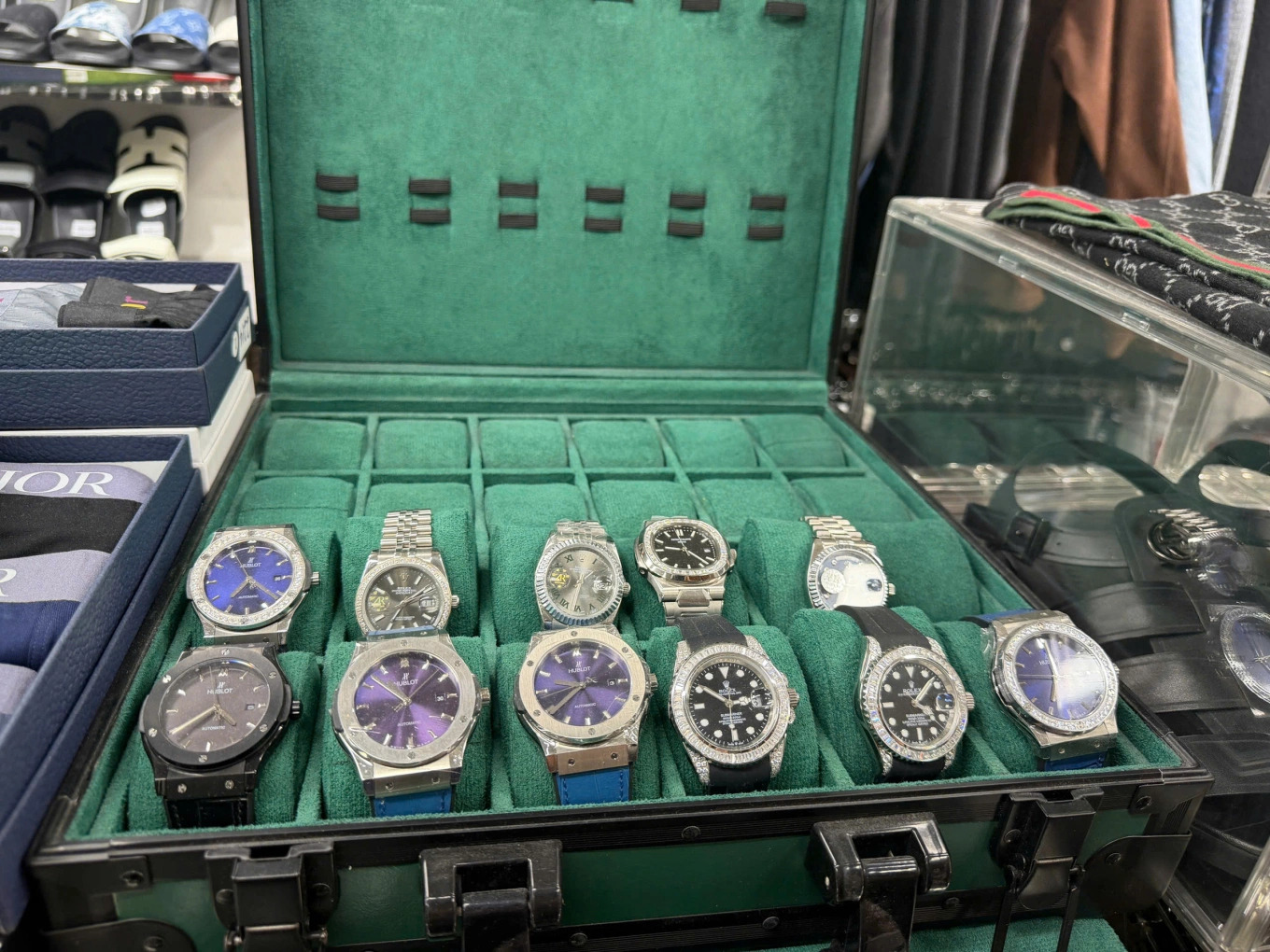 |
Counterfeit "brand name" watches sold directly and online by a business household in Cho Lon ward. Photo: Ho Chi Minh City Police |
The Domestic Market Management and Development Department (Ministry of Industry and Trade) notes that the situation regarding the production and trade of counterfeit goods, products with unclear origin, and intellectual property infringement continues to be complex, especially in the online environment.
Product categories at high risk of infringement include food, milk, medicines, functional foods, and cosmetics, alongside high-value consumer goods like fashion items, handbags, footwear, watches, electronic devices, and renowned brand products. Given this situation, how are e-commerce platforms combating counterfeit goods?
Firstly, Shopee, Lazada, and TikTok Shop assign responsibility to shop owners. Sellers must ensure the legality, origin, and information of goods sold on the e-commerce platform. When registering, shops are required to provide verifying information and documents to the platform.
A Shopee representative stated that, depending on the nature of the product category or specific circumstances, the platform might request sellers to provide additional relevant documents and certificates for inspection and review. For specialized product categories, shop owners may need to submit documents related to quality inspection or product declarations as regulated.
During operation, platforms report using artificial intelligence (AI) to detect counterfeit goods. According to a Lazada representative, the platform's intelligent system can proactively identify infringing products. "AI technology, combined with review by our staff, helps filter thousands of products daily", the platform's representative said.
At Shopee, AI algorithms are continuously updated and trained based on recorded violation scenarios, incorporating factors such as images, product names, displayed content, and unusual prices. In some cases, the platform adds a manual review step, based on documents provided by the seller (import invoices, proof of origin, or product distribution certificates).
TikTok Shop has invested over 500 million USD in technology tools, built a dedicated team, and upgraded its review processes across all global markets where it operates, including Vietnam. The platform also has a random order inspection program. Approximately 100 orders are randomly checked monthly by a third-party partner of TikTok Shop to compare quality against the shop's product description.
However, platforms acknowledge that sellers' methods of "circumventing rules" are "increasingly sophisticated and constantly changing". Shopee noted that in some instances, documents related to the origin of goods can be counterfeited with high sophistication, requiring further verification and coordination from relevant parties and authorities.
Additionally, some shops constantly adjust how product information is displayed, including names or listing images, to conceal or limit the system's ability to identify signs of infringement.
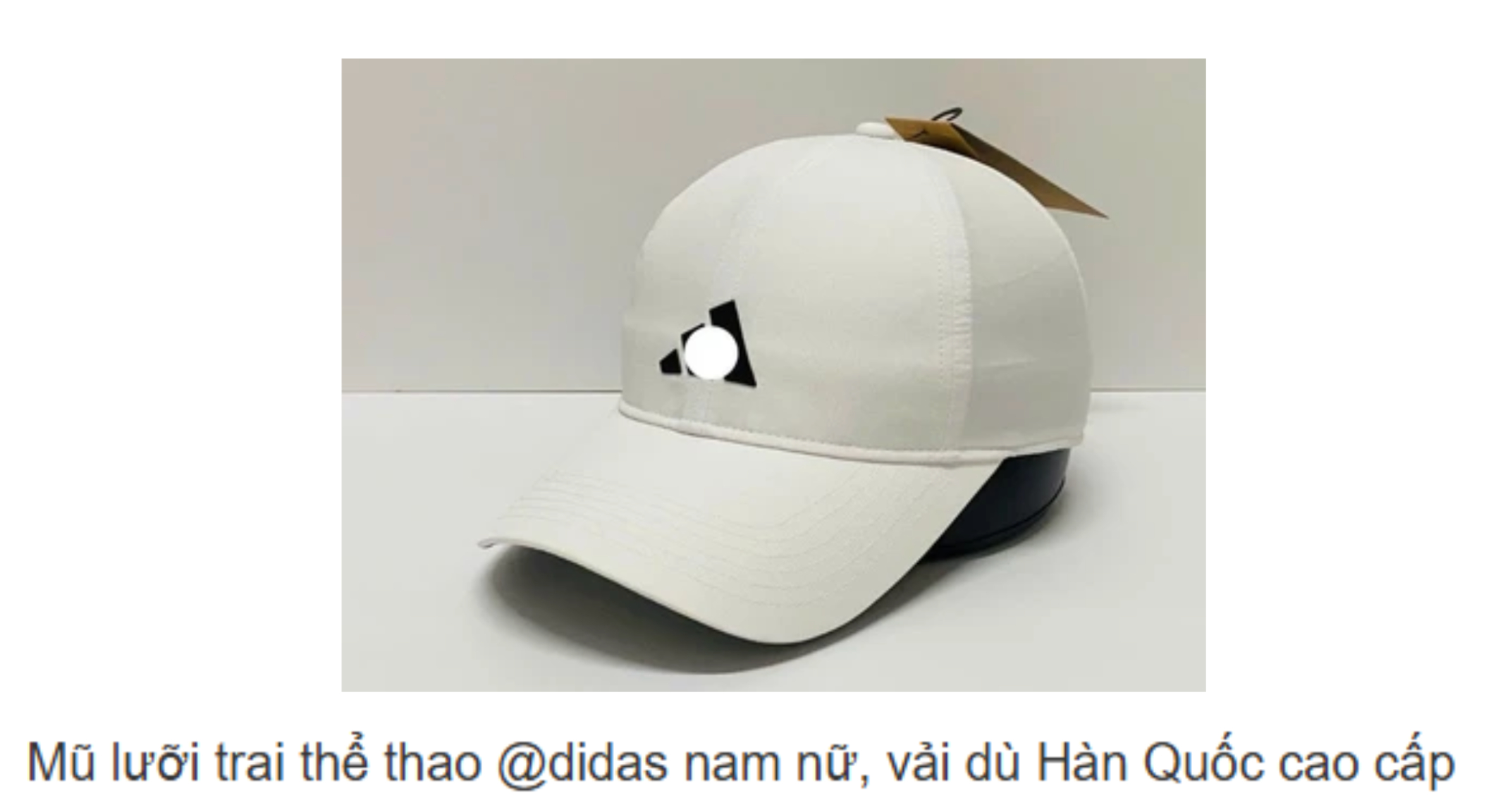 |
One way sellers display counterfeit branded products to evade screening. Archival photo: Shopee provided |
The Domestic Market Management and Development Department also assessed that sellers' methods of infringement on e-commerce platforms change rapidly. Many groups use fake accounts, do not disclose business information, hide fixed transaction locations, and exploit e-commerce platforms, social media, and livestreaming features to sell counterfeit goods.
To protect brand intellectual property rights, Shopee and Lazada have established channels for reporting activities related to counterfeit goods. Meanwhile, consumers can use the "Report Infringing Product" feature on Shopee. Lazada allows co-inspection, product returns, and "double compensation if customers discover counterfeit goods".
Nguyen Lam Thanh, a representative for TikTok Vietnam, stated that upon receiving information about shop violations, whether through media channels or requests from regulators, the platform will proactively review and commit to cooperating with authorities. Currently, all platforms have penalties for removing products, suspending, or terminating contracts with violating sellers.
The "siege" against online counterfeits is tightening. From June 2025, platforms will begin implementing seller identification via the chip on Citizen Identity Cards through near-field communication (NFC) technology. To enhance identification accuracy, Shopee has integrated a system to cross-reference with regulatory agency data, including Citizen Identity Card information and the tax codes of shop owners.
Last month, immediately following the Prime Minister's directive on a peak period for combating counterfeits and trade fraud, the Domestic Market Management and Development Department (Ministry of Industry and Trade) launched a synchronized crackdown. The department is increasing coordination with functional forces to exchange and verify information on online violation signs. Regulatory agencies are also establishing coordination mechanisms to shorten processing times and remove infringing shops and products.
E-commerce platforms believe that in addition to the efforts of platforms and authorities, consumers also play an important role in combating counterfeit goods. Lazada advises customers to carefully note the origin and price, review previous buyers' ratings, and contact shops directly with questions.
"When all parties act together for a common goal, the problem of counterfeits and knock-offs will be controlled and minimized", a Shopee representative commented.
Vien Thong