According to a response scenario just announced by the Ministry of Agriculture and Environment on 26/3, geopolitical fluctuations in the Middle East are impacting the entire agricultural production chain, from inputs to goods circulation.
Rising energy prices are the initiating factor, with the average import price of petrol and oil increasing from approximately 687 USD/ton in 2025 to over 920 USD/ton in 2026, representing an increase of over 30%. This surge drives up costs for machinery operation, aquaculture, and domestic transportation. Consequently, the total production cost for the entire sector is estimated to rise by about 3-5%.
In terms of inputs, fertilizers and animal feed are significantly affected due to their reliance on imported raw materials. The Ministry of Agriculture and Environment suggests that fertilizer prices could increase by 5-15% if the conflict persists, while animal feed has already seen a rise of about 1,5-2%. Escalating input costs narrow profit margins for farmers and businesses, simultaneously creating upward price pressure on agricultural products and food.
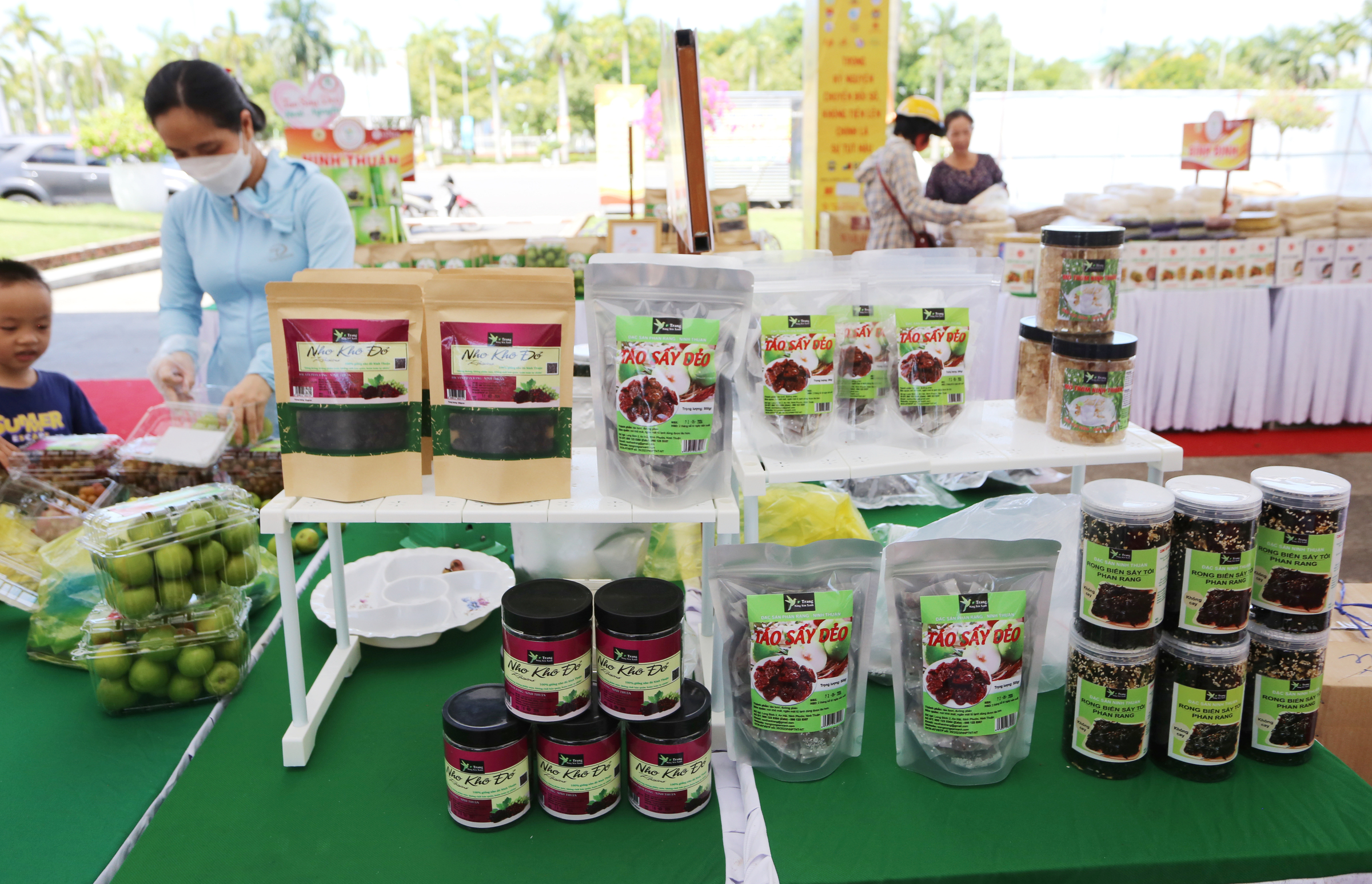 |
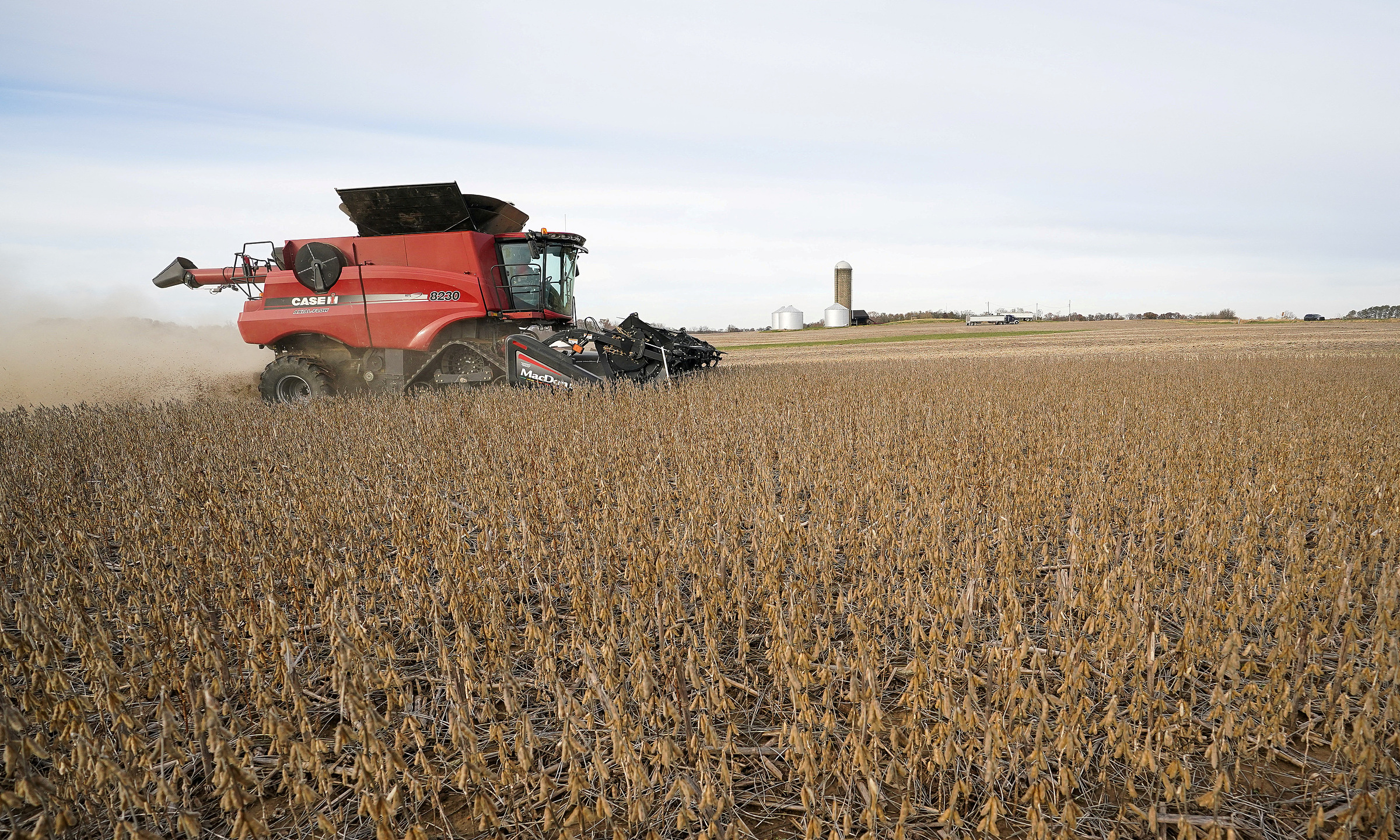
Many agricultural export items will be affected by the conflict. Photo: Dac Thanh. |
A greater impact stems from logistics, with sea freight rates increasing by 25-35% as shipping routes must avoid high-risk areas like the Red Sea. Extended transit times of an additional 7-14 days mean export businesses, particularly in seafood and vegetables, face risks of increased storage, preservation costs, and potential quality degradation of goods. Many shipments experience delays or remain stranded at ports, raising financial costs and affecting cash flow.
Associate Professor Doctor Nguyen Dinh Tho, Deputy Director of the Institute for Agricultural and Environmental Strategy and Policy, states that this represents a systemic shock, simultaneously impacting through three channels: energy, logistics, and supply chains. Disruptions at choke points such as the Strait of Hormuz or the Red Sea compel global shipping to adjust, increasing costs and reducing the competitiveness of Vietnamese exports.
According to Tho, the market is experiencing a "scissor price effect", where input costs rise rapidly while output selling prices do not increase proportionally, or even decrease. This erodes producer profits, particularly for export commodities like coffee and cashew nuts.
Although exports to the Middle East account for only about 2-2,2% of the industry's total turnover, the indirect impact from energy and transportation costs is widespread, affecting both European and North African markets via international shipping routes. This ultimate cost pressure could push domestic food prices higher, influencing the consumer price index.
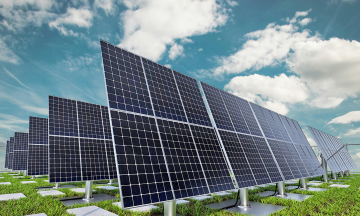
Given these developments, experts suggest that Vietnam needs to restructure its supply chains and reduce input dependency. According to Associate Professor Doctor Nguyen Dinh Tho, response solutions must be structural rather than merely short-term situational fixes. Primarily, it is essential to lessen reliance on imported energy and raw materials from high-risk regions by diversifying sources and promoting renewable energy development to mitigate the impact of fluctuating oil prices. This is a key factor, as energy costs are becoming a "systemic variable" influencing the entire economy.
 |
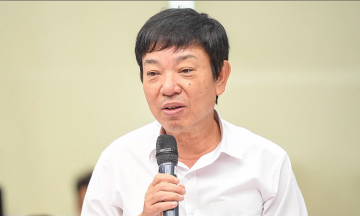
Associate Professor Doctor Nguyen Dinh Tho. Photo: Gia Chinh. |
Moreover, enhancing domestic logistics capabilities is considered an urgent priority. Investing in seaport systems, warehouses, and a national shipping fleet will help reduce reliance on international shipping routes and "choke points" like Hormuz or the Red Sea. Simultaneously, businesses need to restructure supply chains to be flexible and multi-sourced, actively seeking alternative raw materials and developing domestic supporting industries.
In agriculture, Tho suggests transforming production models towards ecological practices, optimizing input usage, and reducing dependence on chemical fertilizers and fossil fuels. Circular economy models and low-emission agriculture not only help cut costs but also create additional long-term value. Concurrently, he states that strengthening strategic reserves for energy, input materials, and essential goods will enable the economy to be more proactive against external shocks.
Furthermore, diversifying export markets, especially prioritizing nearby regions like Asia to reduce logistics risks, is also a crucial direction. Shifting from a goal of increasing output to enhancing the value and resilience of the agricultural sector is considered an urgent requirement in this new context.
From a support perspective, the Ministry of Agriculture and Environment, in an open letter to the business community, also urged entities to proactively adapt to market fluctuations, share difficulties with producers, and maintain stable agricultural product procurement while ensuring the supply of input materials. The Ministry also recommended that businesses strengthen supply chain linkages, expand domestic consumption, and flexibly adjust export activities to adapt to the volatile international logistics landscape.
According to experts, in an increasingly unstable world, adaptability and restructuring will be decisive factors for the agricultural sector to maintain growth and market stability, rather than relying solely on traditional advantages.
Gia Chinh