2025 saw numerous maritime security incidents, highlighting the increasing activity and new challenges faced by ports. As infrastructure expands, maintaining continuous surveillance becomes a significant challenge, especially during adverse weather, high traffic volumes, and 24/7 operations.
In response, many port managers are prioritizing solutions that enable security forces to conduct proactive monitoring and mitigate risks. Thermal cameras are a key part of this strategy, improving visibility and allowing for early threat detection.
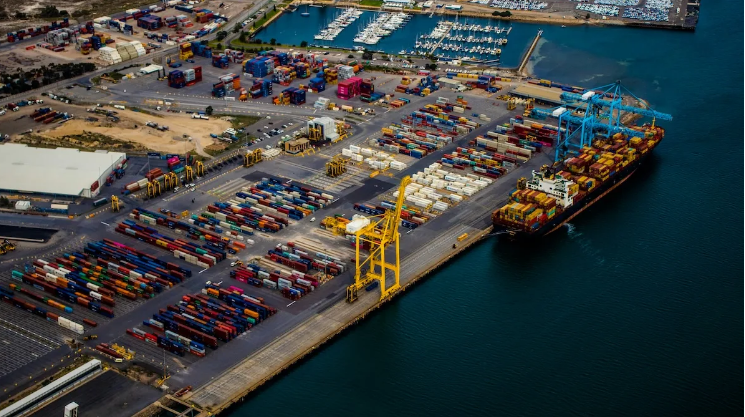 |
Thermal camera technology enhances security and safety for ports and anchorages. Photo: Seatrade Maritime News
Extended surveillance capabilities
Seaports are among the world's most expansive and bustling areas, employing thousands of workers in environments with inherent risks. Thermal cameras identify people, vehicles, and objects in low or no light conditions by detecting their heat signatures. This capability allows security forces to conduct more comprehensive surveillance and promptly detect intrusions, theft, or sabotage, including in offshore areas.
Addressing specific security challenges
Seaports simultaneously contend with internal risks, such as improper storage of hazardous materials, and external threats aimed at disrupting operations. Attacks on maritime facilities and illicit activities like human trafficking and smuggling are on the rise, often employing sophisticated methods that conventional cameras struggle to detect.
Thermal cameras, particularly long-range models, help identify risks that traditional surveillance systems often miss. This capability enhances proactive responses to complex security situations.
Reducing operational costs
Technological advancements and large-scale production have reduced the cost of thermal cameras. While still more expensive than conventional cameras, these devices help businesses minimize losses from security incidents, offering a long-term return on investment.
Furthermore, because they operate independently of light, thermal cameras reduce the need for night lighting in less active areas, thereby saving electricity costs.
Maintaining visibility in extreme weather
Many major ports globally regularly experience harsh weather conditions. Given the critical role of port operations in supply chains, disruptions can have significant impacts. Thermal cameras help maintain clear images during heavy rain, fog, or dust – conditions that severely degrade the performance of conventional cameras.
Easy integration with existing systems
Most modern thermal cameras integrate with existing security systems, reducing installation costs and deployment time. Many devices also provide "heat map" data for continuous analysis, helping managers adjust and upgrade security systems to address emerging risks.
The Dan (according to Seatrade Maritime News)