On 4/6, data firm Vortexa reported that Iran's crude oil and condensate exports in May were approximately 209,000 barrels per day. This figure marks a sharp decline from 1,34 million barrels in April and 1,9 million barrels in March. It is also the lowest level since late 2019 and early 2020, a period when US President Donald Trump pursued a "maximum pressure" strategy against Iran during his first term.
The primary reason for this sharp drop in Iran's crude oil exports is believed to be the US Navy's port blockade policy, which began on 13/4. For over three months, Iran has also blockaded the Strait of Hormuz, paralyzing oil exports from Saudi Arabia, Kuwait, Iraq, and the UAE.
"The main reasons could be disruptions in the Strait of Hormuz and the US Navy's blockade targeting vessels entering and exiting Iranian ports. Additionally, ship owners, insurance companies, and other stakeholders have stopped sending vessels and crews into the area," explained Claire Jungman, an analyst at Vortexa.
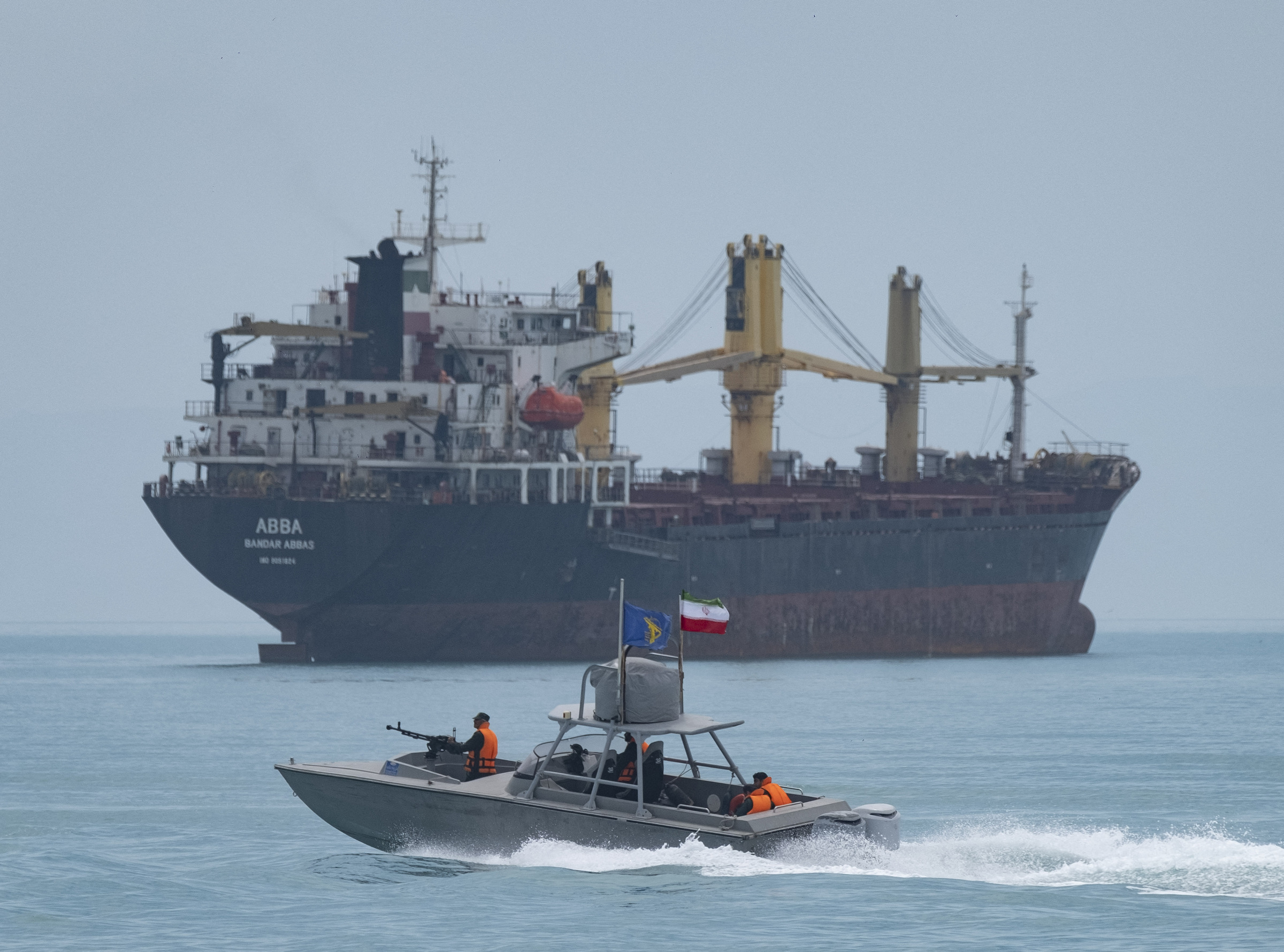 |
Iran's Islamic Revolutionary Guard Corps speedboats moving in the Persian Gulf in 4/2024. Photo: AFP |
Data from market analysis firm Kpler also shows a similar decline in Iran's oil exports. Kpler estimated May exports to be higher than Vortexa's figures, at 260,000 barrels per day. Nevertheless, this remains a 6-year low.
The volume of Iranian oil on vessels has also decreased as more ships unload cargo in China. Kpler reported that approximately 147 million barrels of Iranian crude oil and condensate are currently at sea, with about 67 million barrels stranded within the Persian Gulf and Gulf of Oman.
The country's floating oil storage has significantly decreased compared to approximately 190 million barrels at the end of April. Homayoun Falakshahi, an analyst at Kpler, stated that if the US blockade continues for another two months, Iran could nearly exhaust its available oil for shipment to China, its largest customer.
According to Kpler, China's imports of Iranian crude oil decreased to 1,1 million barrels per day in May, the lowest level since 1/2025.
Ha Thu (according to Reuters)