In an increasingly competitive market for home appliances and air solutions, consumers face diverse choices in brands, origins, prices, colors, and designs. In this scenario, the deciding factor is not merely product features but brand reliability.
A Panasonic representative stated that technology is a key differentiator among air conditioner lines. From an operational perspective, core technology reflects the ability to control quality throughout a product's lifecycle. Among various approaches, the Japanese company focuses on researching and mastering core platforms from within, viewing this as the basis for product quality.
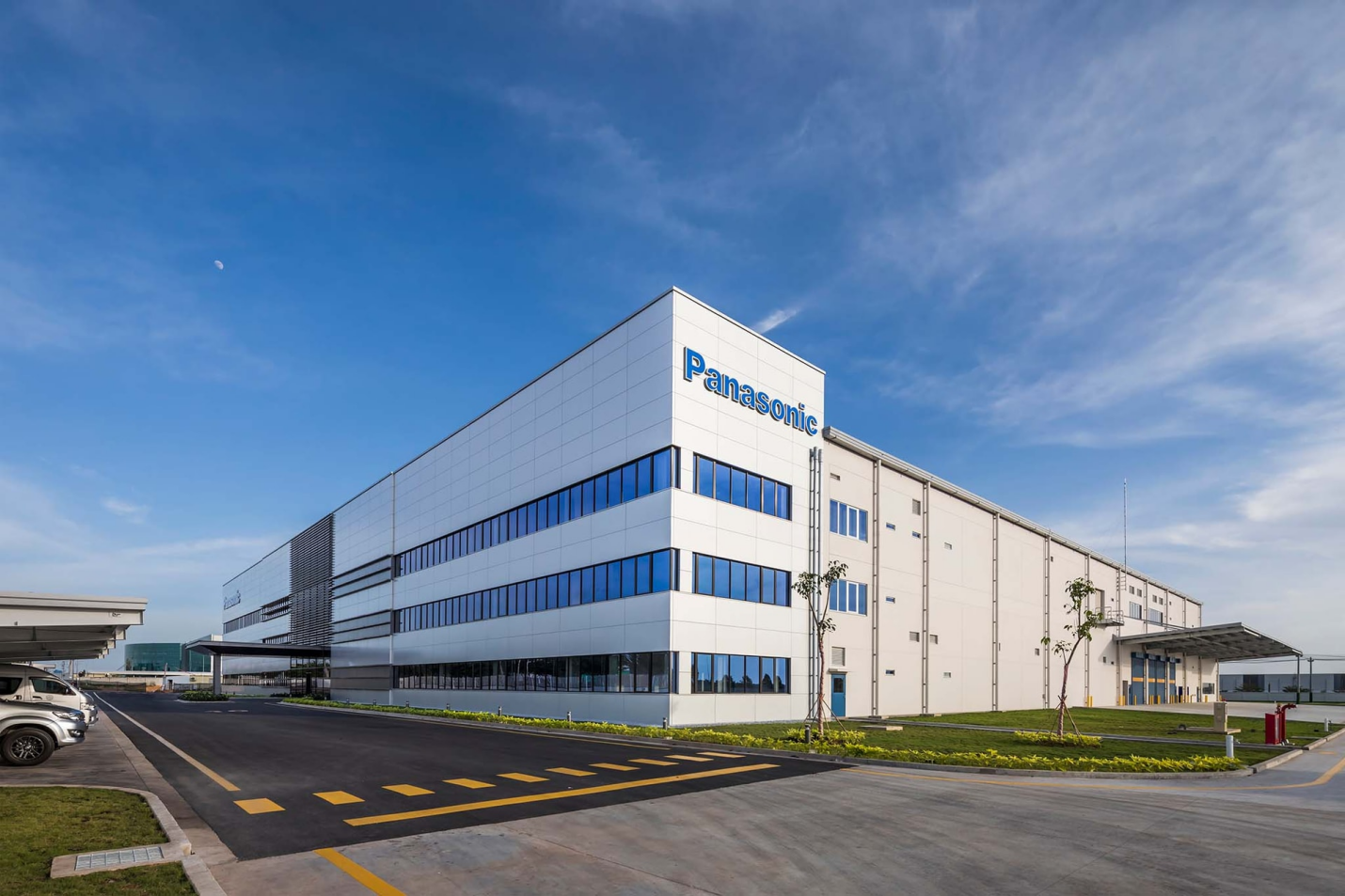 |
The Japanese company synchronizes its technology platforms across its entire factory system. Photo: Panasonic |
The Japanese company synchronizes its technology platforms across its entire factory system. Photo: Panasonic
Panasonic leaders explain that product value comprises individual components and elements designed, optimized, and tested within a consistent system. This approach ensures operational synchronization and maintains stable performance throughout a product's lifespan.
Developing core components with a common direction gradually improves compatibility between elements, helping to limit operational discrepancies. Conversely, simply using premium components does not fully reflect overall product quality, as performance also depends on how well components within the system cooperate. The research department thoroughly analyzes this factor to develop air conditioner lines suitable for Vietnam's climate.
However, the company believes that mastering technology requires continuous improvement, gradually upgrading core platforms according to market demand. This focus is on practical effectiveness rather than mere showmanship. From energy saving capabilities and optimized airflow to air purification and health protection solutions, each version represents a new advancement.
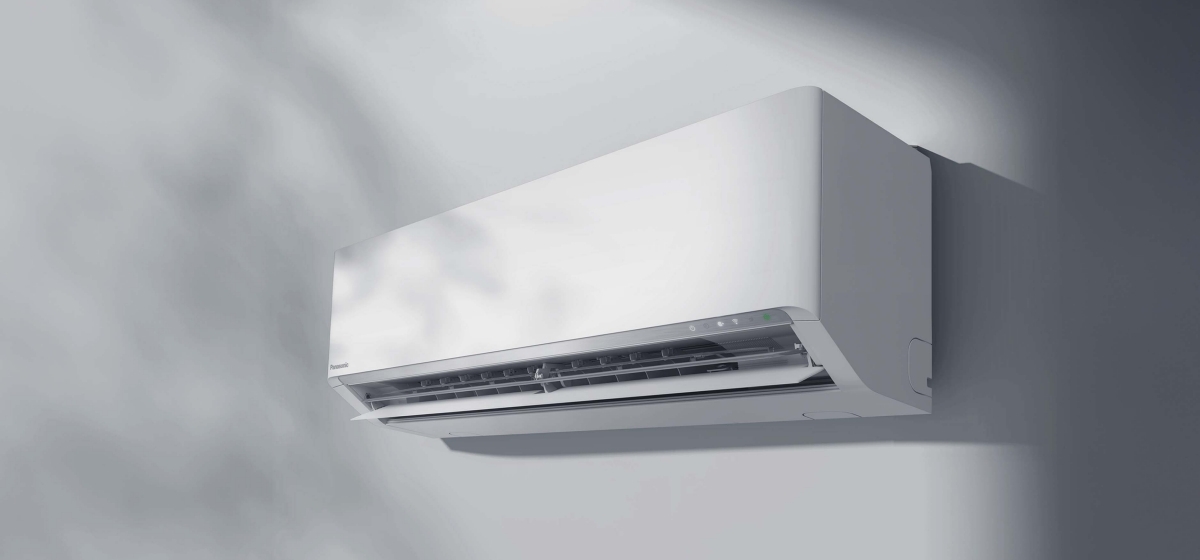 |
The company asserts that quality is not just a technical standard but a strategic foundation spanning research, production, and service. Photo: Panasonic |
The company asserts that quality is not just a technical standard but a strategic foundation spanning research, production, and service. Photo: Panasonic
On technology forums and air conditioner search groups, some consumers evaluate Panasonic as having a long-standing foundation, progressively upgrading durability criteria and emphasizing technical aspects, maintaining Japanese quality across each version. The Luan, 42, from TP HCM, believes that continuous improvement helps the brand reach users who prioritize stable, long-lasting product operation.
In the long term, users tend to prioritize cooling capacity, noise level, power consumption, and durability. According to a Panasonic representative, their research team closely monitors and optimizes these factors throughout the production process. The company also implements a methodical service system—from installation to maintenance and technical support—ensuring a consistent experience throughout the air conditioner's lifecycle.
This direction aligns with the needs of modern consumers. Speaking with VnExpress, Thanh Minh from District 7, TP HCM, stated that when choosing an air conditioner, he prioritizes stable operation and quietness. Meanwhile, Lan from Ha Noi is concerned with clear installation and maintenance procedures for long-term convenience.
Founded in 1918, Panasonic's first product was an electrical connector, similar to today's power outlets but designed with a twist mechanism. The company's breakthrough success came from its two-pronged power outlet, solving the challenge of using multiple devices simultaneously in Japanese homes at the time. With this outlet, families could light lamps and connect other electrical appliances.
After 117 years, the company has innovated numerous designs, technologies, and internet of things (IoT) applications. It strongly focuses on clean air with its exclusive nanoe X technology, capable of inhibiting viruses and bacteria. Additionally, Panasonic provides sustainable energy solutions and smart home appliances.
In Vietnam, the Japanese company has shifted its strategy from being a consumer electronics manufacturer to a provider of comprehensive Total Wellness Solutions. Last year, the company planted over one million trees and promoted sustainable education through the KWN 2025 competition. The brand continues to advance its comprehensive indoor air quality (IAQ) solutions, aiming for healthy living spaces.
"Success comes not from short-term campaigns but from long-term strategies. In the coming period, we will heavily invest in core technology and master the entire value chain. In the next 5 years, the company aims to capture 40% of the market share," a brand representative added.
Phu Cat