On the morning of 24/4, the National Assembly passed a law amending several tax statutes, including those for personal income tax (PIT), value-added tax (VAT), corporate income tax, and special consumption tax. The decision received approval from over 93% of deputies.
This new legislation grants the Government the authority to adjust the revenue threshold for individuals and business households subject to PIT and VAT, moving away from the previous fixed 500 million VND per year limit.
Similarly, the Government will also determine the corporate income tax exemption threshold, rather than it being fixed by law. These new regulations are scheduled to take effect from 1/1/2026.
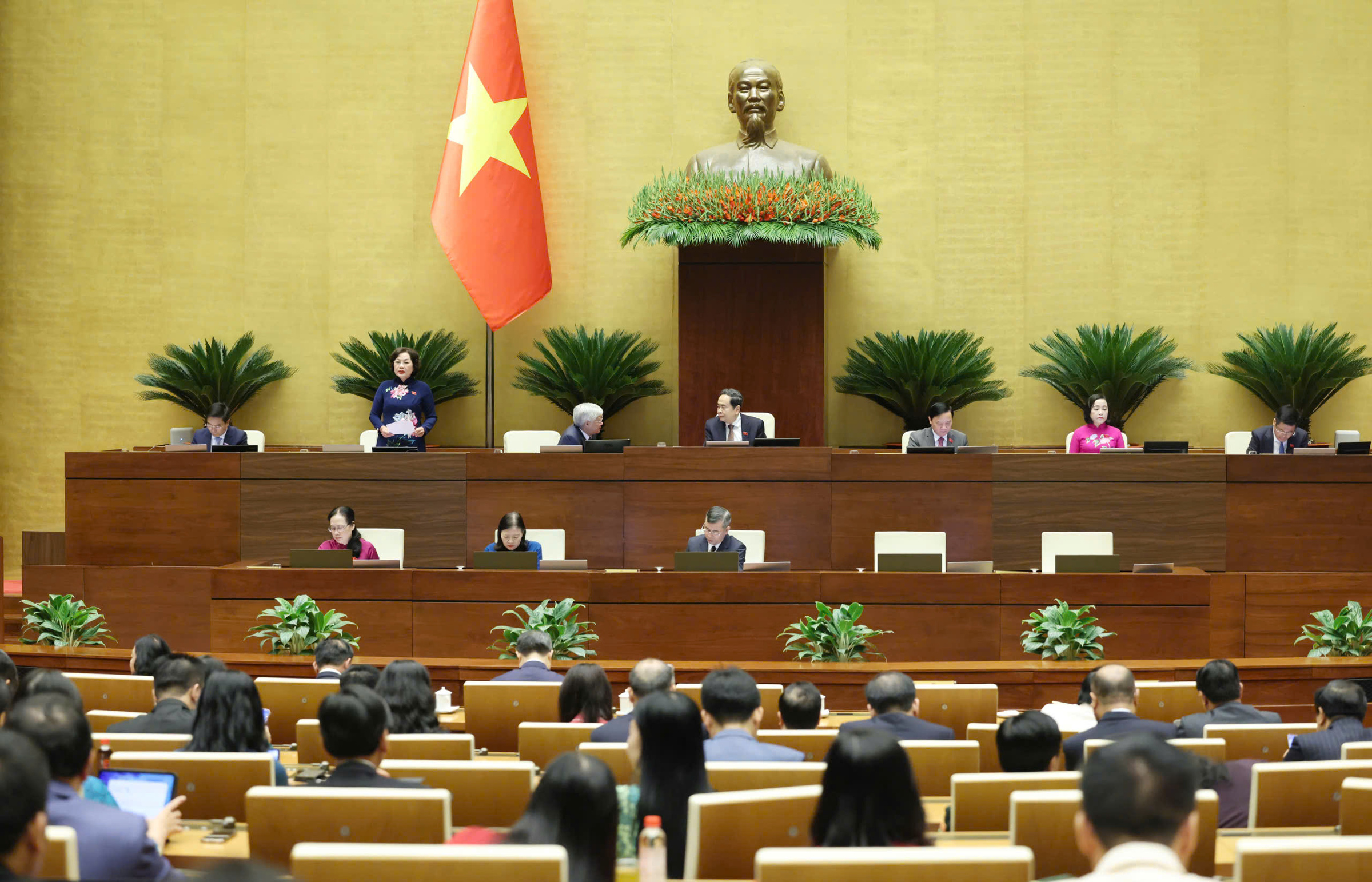 |
Deputies attend the National Assembly session on the morning of 24/4. *Photo: Quang Phuc*
In its explanatory report, the Government indicated plans to increase the tax-exempt revenue for business households and individuals to 1 billion VND. A similar exemption threshold is expected for small businesses.
The Government asserts that the 1 billion VND threshold is appropriate for the current economic climate, having undergone careful consideration and impact assessment on state budget revenue and taxpayers.
Authorities anticipate this increased threshold will encourage business households to transition into formal enterprises. This figure also aligns with existing regulations requiring business households and individuals to use electronic invoices generated from cash registers linked to tax authorities. Consequently, the Government's proposal to raise the exemption threshold ensures consistency with current invoicing requirements.
The Ministry of Finance estimates that doubling the tax exemption level will reduce state budget revenue by approximately 7,000 billion VND. This includes an estimated decrease of 4,850 billion VND from business households and 2,200 billion VND from small businesses.
 |
Earlier, the Economic and Finance Committee had recommended establishing a "revenue range or level" to grant the Government flexibility for adjustments during national emergencies.
Minister of Finance Ngo Van Tuan clarified that while the Government would not set a fixed framework in the law, it would cap adjustments to the tax-liable revenue threshold at below 3 billion VND annually.
This limit is due to existing tax laws. Under the Personal Income Tax Law, business households and individuals earning over 3 billion VND annually must pay tax based on net income (revenue minus expenses). The Corporate Income Tax Law also applies different rates at the 3 billion VND revenue mark: 15% for companies with revenue under 3 billion VND, and 17% for revenues between 3 billion VND and 50 billion VND. Therefore, increasing the tax-exempt revenue beyond 3 billion VND would necessitate amendments to various related tax laws to ensure legal consistency.
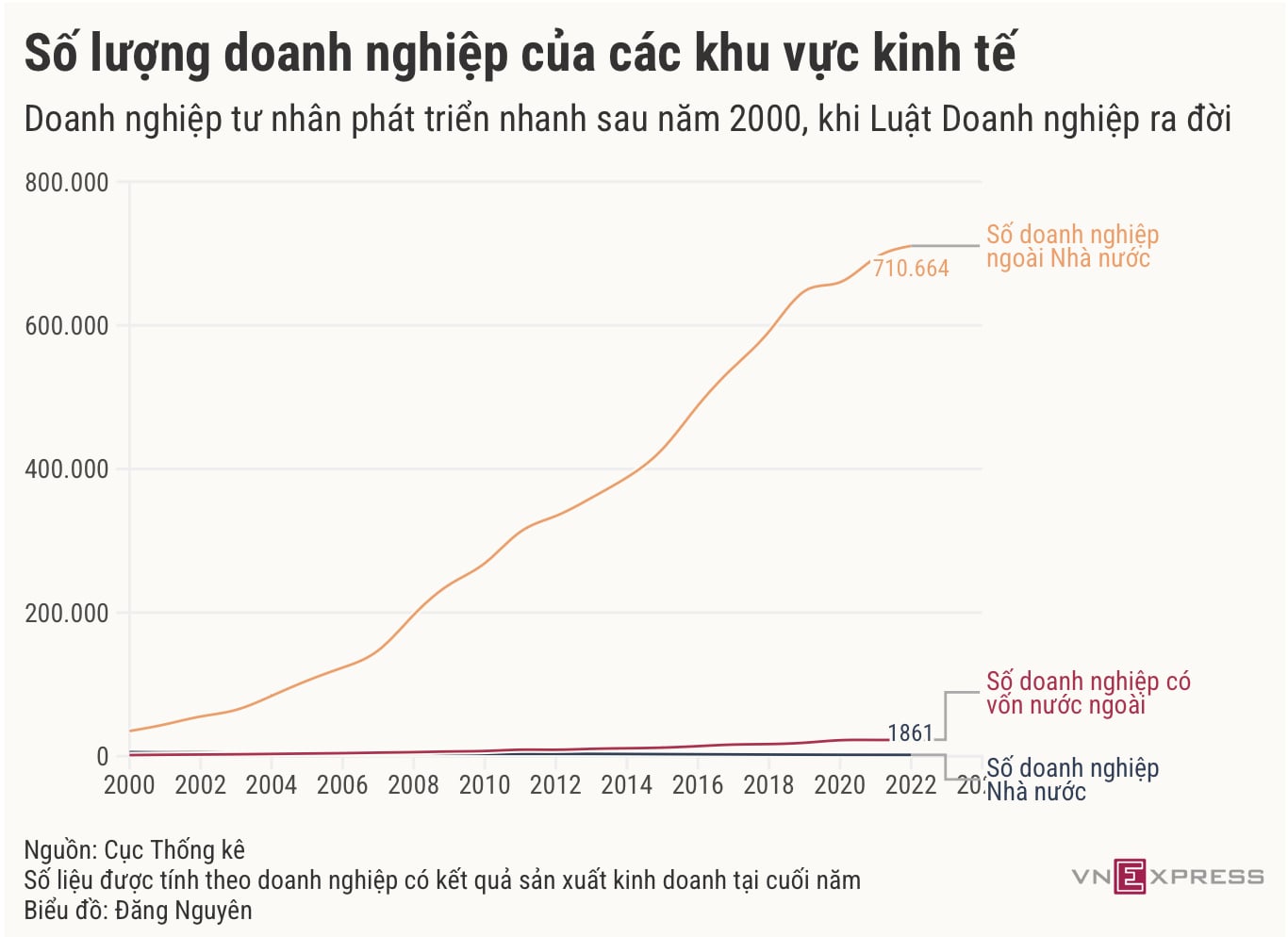
Tax agency data indicates that approximately 2,56 million business households and individuals nationwide report revenues under 1 billion VND. Of the roughly 900,000 active enterprises, nearly 94% are small and micro-sized.
The Ministry of Finance reported that between 2022 and 2025, Vietnam had 3-4 million business households, with over 2 million consistently filing taxes and contributing about 2% of the total state budget. In 2025 alone, tax revenue from this sector reached 32,840 billion VND, marking a 37,5% increase year-on-year.
Anh Tu