Following its meeting on 5/4, the Organization of the Petroleum Exporting Countries and its allies (OPEC+) agreed to increase its production quota by 206,000 barrels per day for May. This marks the second consecutive month of production increases, with the current rise matching April's figures.
Despite the announced increase, this figure is considered modest and largely symbolic. Key OPEC+ members currently face significant challenges in boosting their output. In the Gulf region, for example, critical oil infrastructure has sustained damage from ongoing missile and drone attacks. Officials indicate that even if the conflict ends and the Strait of Hormuz reopens, these nations would still require several months to restore full operations and achieve their production targets.
The persistent conflict has led to the Strait of Hormuz being almost entirely blocked since late February. This blockade has severely disrupted the export route for many OPEC+ member countries, including Saudi Arabia, UAE, Kuwait, and Iraq. These nations previously held the strongest capacity to significantly increase production before the hostilities.
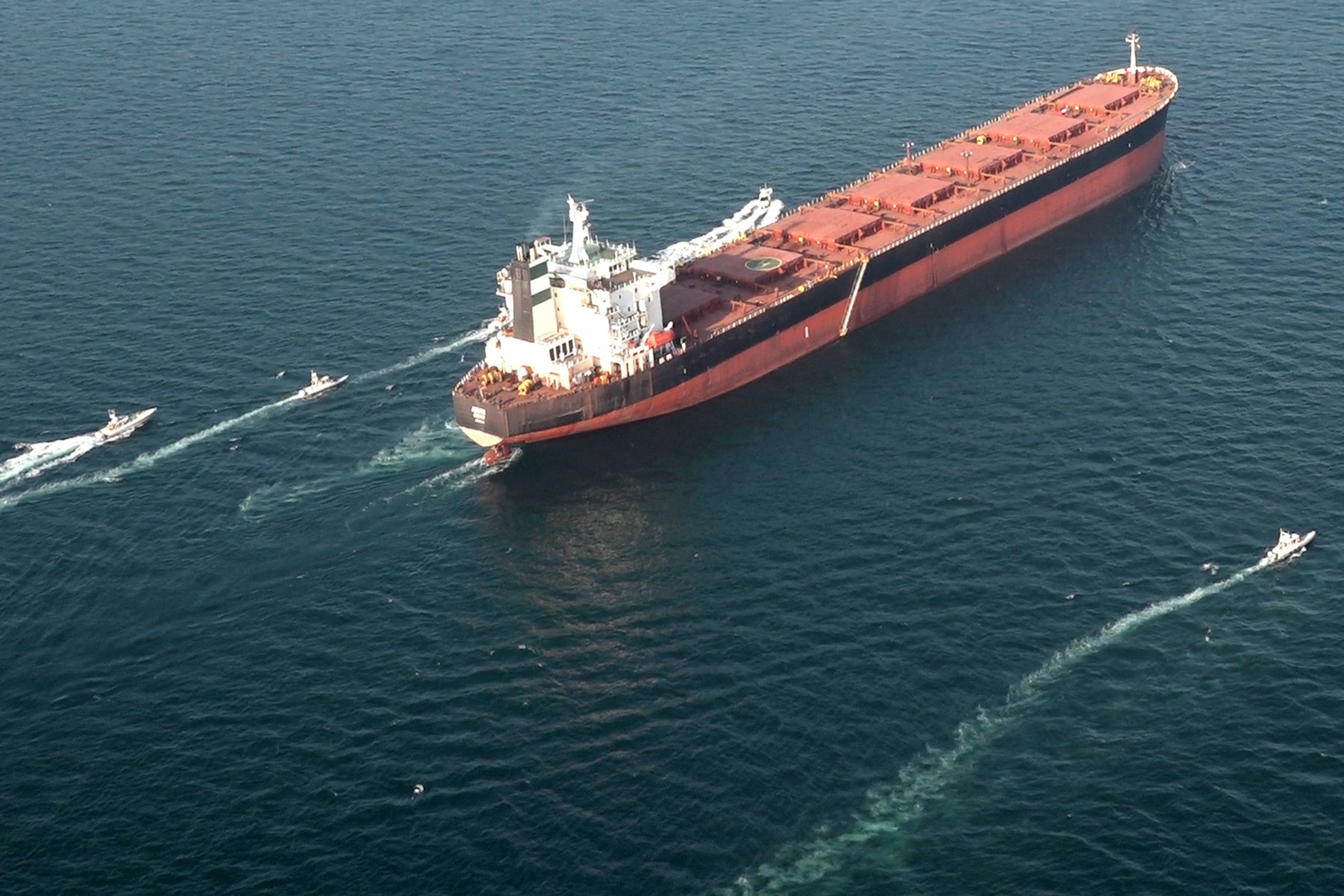 |
Boats maneuver around an oil tanker during an exercise in the Strait of Hormuz on 17/2. *AFP*. |
Other OPEC+ members, such as Russia, are also currently unable to increase their output. This is primarily due to Western sanctions and infrastructure damage incurred during the Ukraine conflict.
Jorge Leon, a former OPEC official now with energy consultancy Rystad Energy, stated, "The reality is that very little additional oil is being brought to the market. With the Strait of Hormuz remaining closed, OPEC+'s production increase holds little significance."
The agreed production increase accounts for barely 2% of the oil deficit caused by the paralyzed Strait of Hormuz. However, sources close to Reuters suggest it also signals OPEC+'s readiness to significantly boost production as soon as this vital waterway reopens.
Late last week, Iran announced that Iraqi vessels were permitted to transit through Hormuz. Shipping data from 5/4 further indicated that an Iraqi crude oil tanker had successfully passed through the strait, offering a glimmer of hope for easing restrictions.
JPMorgan last week projected that oil prices could exceed 150 USD per barrel – an all-time high – if energy flows through Hormuz are disrupted until mid-May. This underscores the critical importance of the strait to global oil supply and pricing stability.
Iran is one of 22 OPEC+ members. The organization has been actively reducing output since 2022 to prevent oversupply in the market from driving down prices. However, starting from 4/2025, the group's production is set to gradually increase. This strategic shift aims to regain market share from rivals like the US. To date, OPEC+ has increased its collective production by an additional 2,9 million barrels per day since the initial cuts.
Ha Thu (according to Reuters)