The Department of Agriculture (DA) of the Philippines announced on 4/8 that a strong El Niño phenomenon, expected to emerge late this year, could reduce the nation's rice output by approximately 750,000 tons. This raises the risk of a supply shortage before the early 2027 dry season harvest. As of 3/8, the Philippines had already imported about 3.3 million tons of rice.
Secretary of Agriculture Francisco P. Tiu Laurel Jr. stated that the Government aims to ensure sufficient reserves before the next harvest to proactively address potential supply shortages.
To mitigate the impact of continued imports on local rice farmers, the Government instructed the National Food Authority (NFA) to procure approximately 500,000 tons of paddy during this year's wet season harvest. The minimum purchase price is 21 pesos (about 9,800 VND) per kilogram for fresh paddy and 25-27 pesos (11,700-12,600 VND) per kilogram for dry paddy. The NFA's procurement budget also increased from 9 billion pesos (approximately 4.2 trillion VND) in 2025 to 14 billion pesos (approximately 6.5 trillion VND) this year.
Additionally, the Department of Agriculture of the Philippines is expanding its subsidized rice program, offering rice at 20 pesos per kilogram to low-income households, the elderly, persons with disabilities, and other vulnerable groups. It is also doubling the monthly rice distribution to about 40,000 tons.
This decision marks a significant policy shift from last year when the Philippines suspended rice imports from September to December to support domestic paddy prices during the main harvest season. The import reduction by Vietnam's largest rice market for several months affected many businesses' delivery schedules, forcing some to seek orders in Africa and the Middle East.
A representative from a Dong Thap-based rice export business noted that the Philippines' continued imports facilitate negotiations for year-end delivery contracts. According to the business, demand from the Philippine market remains stable, particularly for Vietnam's fragrant rice varieties, owing to competitive pricing and consistent quality.
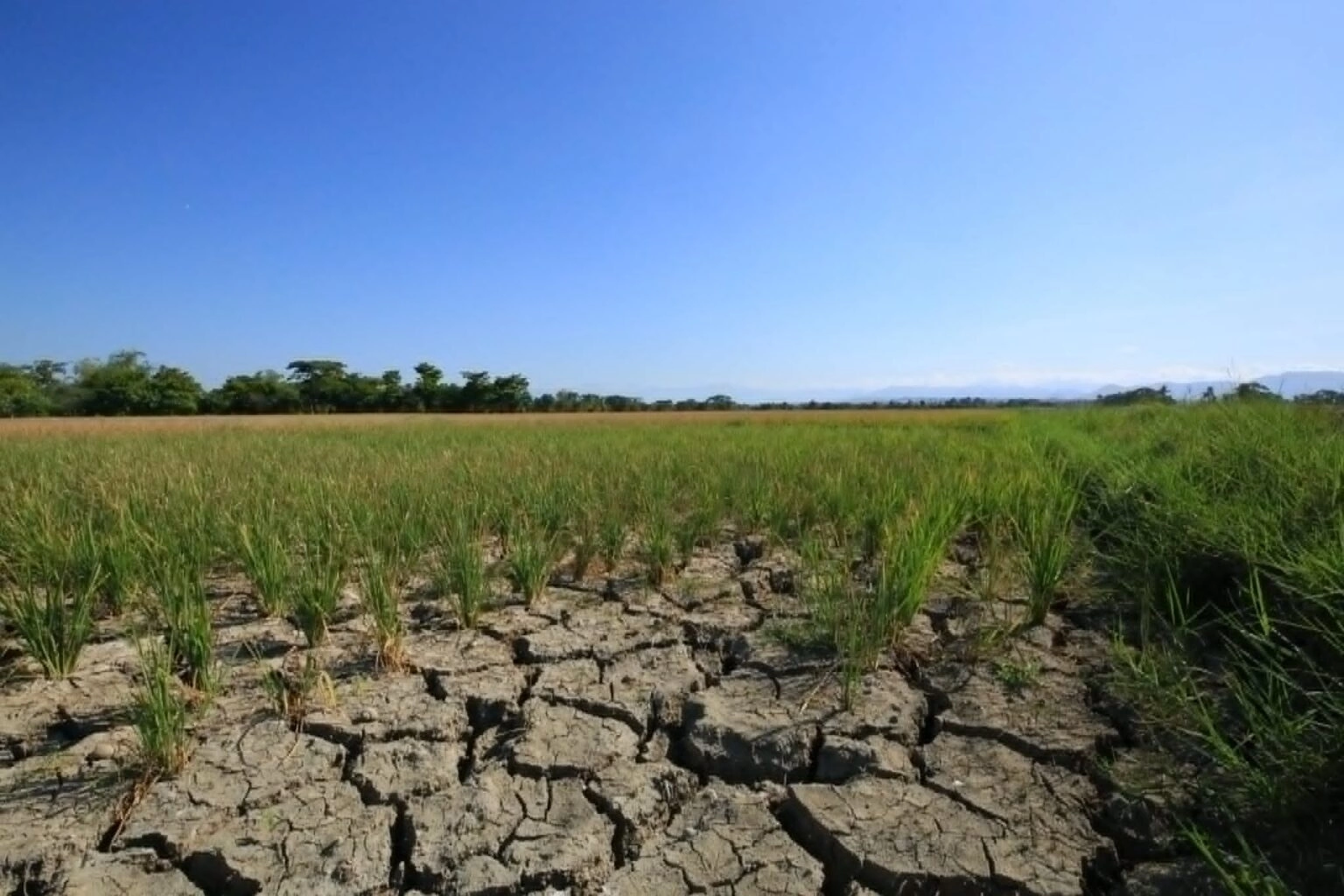 |
Rice in the Philippines was previously affected by El Niño. Photo: *Department of Agriculture of the Philippines* |
According to the Ministry of Agriculture and Environment, Vietnam exported approximately 5.5 million tons of rice in the first seven months of this year, generating 2.64 billion USD. This represents a 0.5% increase in volume but a 6.7% decrease in value compared to the same period last year. The average export price reached 477 USD per ton, a 7.1% decrease.
The Philippines continues to be Vietnam's largest rice consumer market, accounting for 45% of total export turnover. Export value to this market increased by 2.3% in the first six months compared to the same period last year. China and Ghana followed with market shares of 19.1% and 9.6%, respectively.
According to the Vietnam Food Association (VFA), Vietnam's export rice prices currently remain quite stable. Five percent broken rice is offered at 431-435 USD per ton, fragrant five percent broken rice at about 500-510 USD per ton, and Jasmine rice at 550 USD per ton. These prices are higher than comparable varieties from India but lower than those from Thailand.
Thi Ha