During a meeting with the Energy Security Task Force on 26/3, Prime Minister Pham Minh Chinh reiterated the critical need for ministries, localities, and businesses to prevent fuel supply shortages, production and business disruptions, and social instability.
The Ministry of Industry and Trade is tasked with working promptly with international partners to establish a strategic petroleum reserve in Nghi Son, Thanh Hoa. This initiative follows previous discussions between the prime minister and various foreign leaders.
Most recently, during an official visit to Russia this week, the prime minister met with Zarubezhneft Company, a key partner for Vietnam in the oil and gas sector. The company proposed long-term, stable oil and gas supplies and the construction of an oil storage system in Vietnam.
Experts emphasize that a national strategic petroleum reserve system is a vital tool for the state to regulate supply, demand, and prices. They also highlighted the importance of developing centralized energy storage infrastructure for petroleum, liquefied natural gas (LNG), and other energy sources.
Currently, Vietnam lacks a dedicated national petroleum reserve. Existing strategic reserves are stored in facilities owned by major petroleum businesses under contractual agreements, covering only about 7-10 days of national consumption.
Decision 861/2023 on petroleum and gas storage and supply infrastructure outlines Vietnam's plan to build dedicated petroleum storage facilities. The goal is to achieve a total national crude oil and petroleum product reserve equivalent to 75-80 days of net imports, further increasing to 90 days by 2030.
Furthermore, Politburo Conclusion 14 directs Vietnam to develop a national strategy for the long-term supply and reserve of raw materials and fuels.
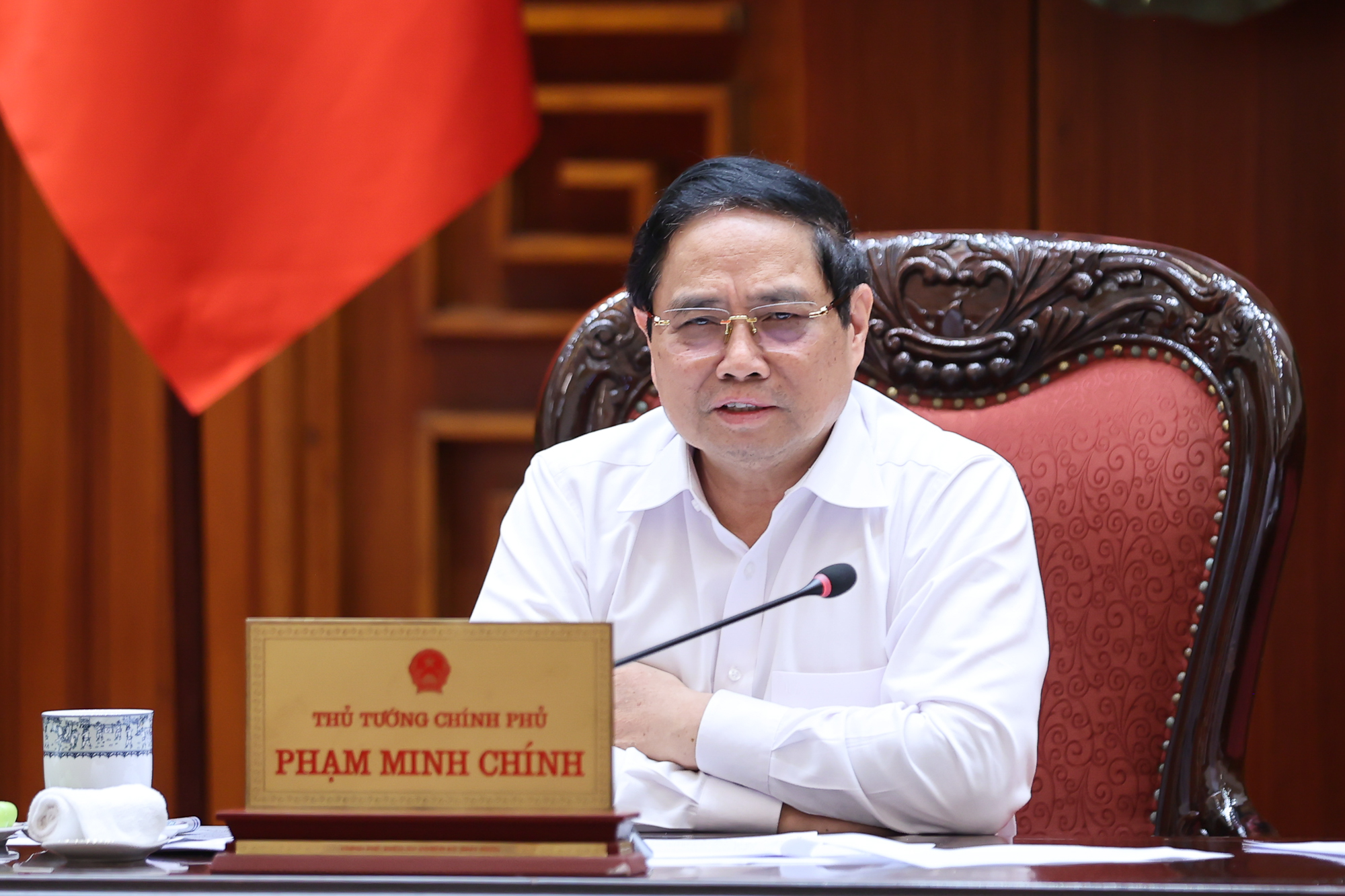 |
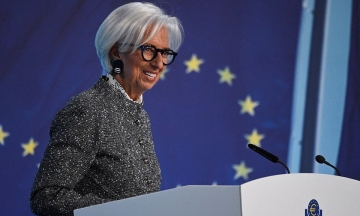
Prime Minister Pham Minh Chinh speaks at the meeting on 26/3. Photo: VGP |
Ongoing conflict in the Middle East has significantly pressured the domestic petroleum market. Since late February, retail fuel prices have been adjusted 10 times. Currently, RON 95-III gasoline is 29,950 dong per liter, and diesel is 37,890 dong. These prices represent increases of 9,800 dong and 18,670 dong, respectively, compared to the end of last month.
In response, Prime Minister Pham Minh Chinh directed the Ministry of Industry and Trade to ensure imported crude oil supplies for the upcoming months. The ministry is also responsible for monitoring and forecasting the market, updating supply scenarios for adverse global market conditions.
The government leader instructed PVN and related entities to ensure the safe and stable operation of oil refineries, optimize capacity, increase processing output, and refrain from exporting raw materials. Major traders must secure domestic market supply. Additionally, operators should accelerate the implementation of E10 biofuel to lessen dependence on fossil fuels, with deployment anticipated from April.
The Ministry of Finance is tasked with promptly proposing tax and budget solutions for submission to competent authorities. The State Bank of Vietnam will instruct credit institutions to provide support through interest rates, loans, and foreign currency to businesses involved in petroleum production, trading, and import.
The Ministry of Science and Technology must promptly address issues concerning regulations, standards, and quality certification for imported petroleum shipments to expedite licensing and market circulation. The ministry is also to research and evaluate adjustments to technical standards, specifically the oxygen content in E5/E10 gasoline, to meet requirements while avoiding unnecessary bureaucracy.
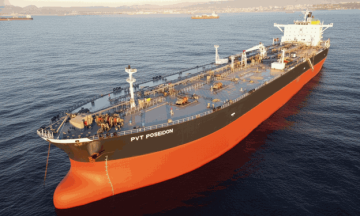
The Ministry of Construction is responsible for approving plans to ensure maritime safety at ports capable of receiving large oil tankers, particularly in Quang Ninh and TP HCM.
For the long term, the prime minister instructed the Ministry of Industry and Trade, alongside other relevant ministries and agencies, to research solutions for enhancing energy self-sufficiency, including diversifying supply sources and restructuring petroleum business entities.
Phuong Dung