The Ministry of Finance (MoF) has proposed applying a 0% registration fee for electric vehicles (EVs) until the end of 2030. This proposal, outlined in a draft amendment to the Decree on registration fees, aims to encourage the development of green transportation, reduce emissions, and protect the environment. The exemption would apply to pure electric vehicles.
Currently, under Decree 10/2022, battery-powered vehicles are subject to a 0% initial registration fee until 2025. After that, the fee is 50% of that for petrol or diesel vehicles with the same number of seats. On 28/2, the government agreed to extend the 0% fee application until the end of February 2027.
This latest proposal would extend the maximum preferential registration fee by over three years compared to the existing regulations.
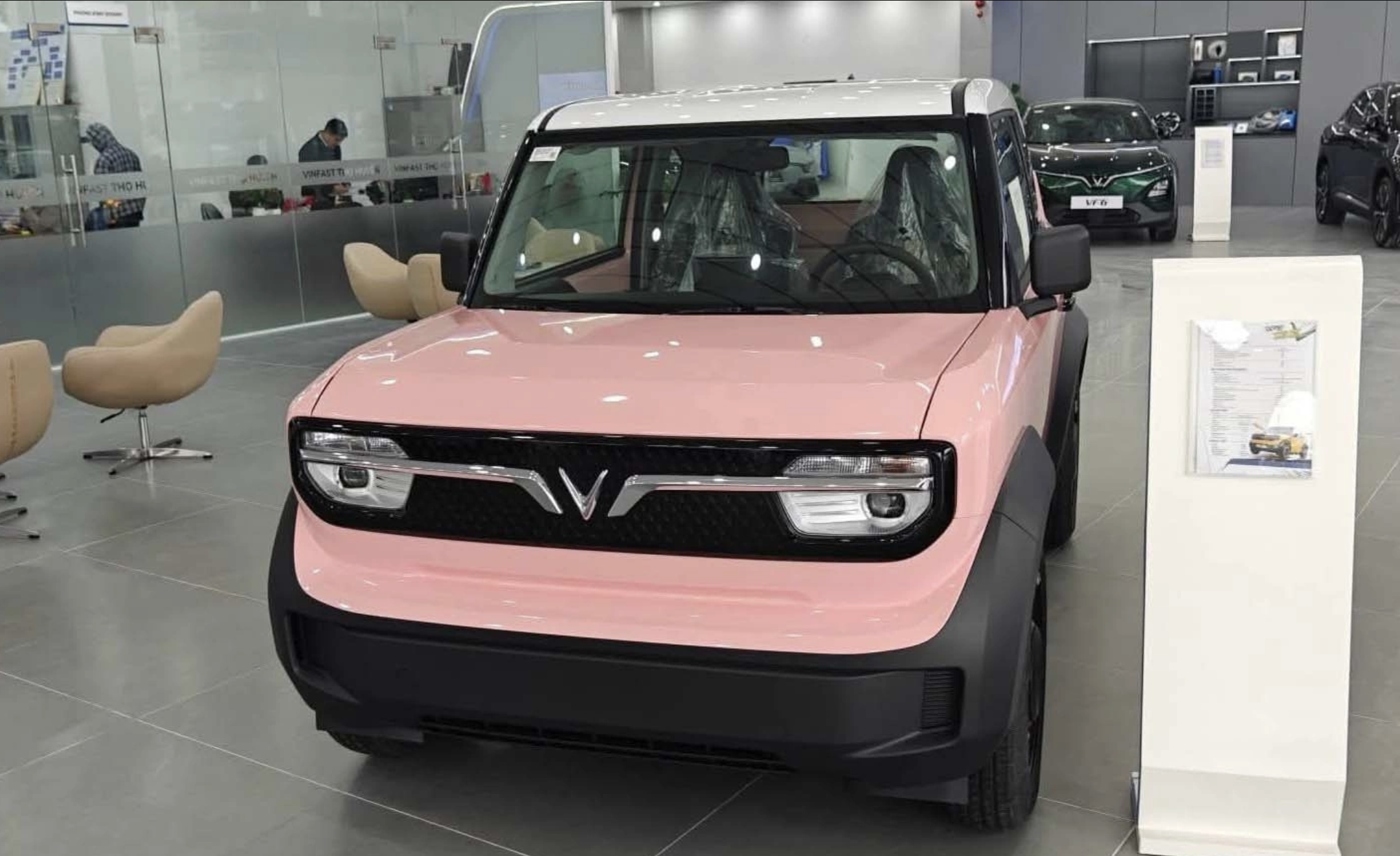 |
A VF 3 model in Hanoi. Photo: VF 3 Vietnam Club |
Data from the International Organization of Motor Vehicle Manufacturers (OICA) indicates that car ownership in Vietnam remains low compared to many Southeast Asian nations, despite high demand. The Ministry of Finance believes that applying a 0% fee, instead of the 10-12% charged for petrol or diesel vehicles, helps reduce registration costs, improves accessibility for citizens, and boosts consumption.
The number of initial electric vehicle registrations has grown rapidly over the years. From 1/3-31/12/2022, 4,040 vehicles were registered, averaging 404 vehicles per month. In 2023, this number surged to 29,281 vehicles, an average of 2,440 per month, six times higher than the previous year. This upward trend continued in 2024 with 79,781 vehicles, 2,72 times higher than in 2023. By 2025, registered vehicles are projected to increase 2,24 times compared to 2024.
The regulator states that after four years, electric vehicles are establishing their market position, supporting distributors' sales, and creating favorable conditions for businesses to invest in production and assembly. Environmentally, electric vehicles do not use fossil fuels, contributing to resource conservation and emission reduction. According to the Ministry of Agriculture and Environment, EVs help reduce approximately 0,5 million tons of CO2 equivalent annually.
The Ministry of Finance also noted that electric vehicle development aligns with global trends. Global sales surpassed 17 million vehicles in 2024 and are projected to exceed 20 million in 2025. Many countries implement tax, fee, and registration incentives to boost EV consumption and production, while also developing charging station infrastructure and supply chains.
In its assessment of the socio-economic situation, the Ministry of Finance also addressed the conflict involving Iran, which has severely disrupted global energy supply chains. Therefore, implementing policies for electric vehicles helps encourage consumers to adopt green transportation, gradually replacing fossil fuels.
Phuong Dung