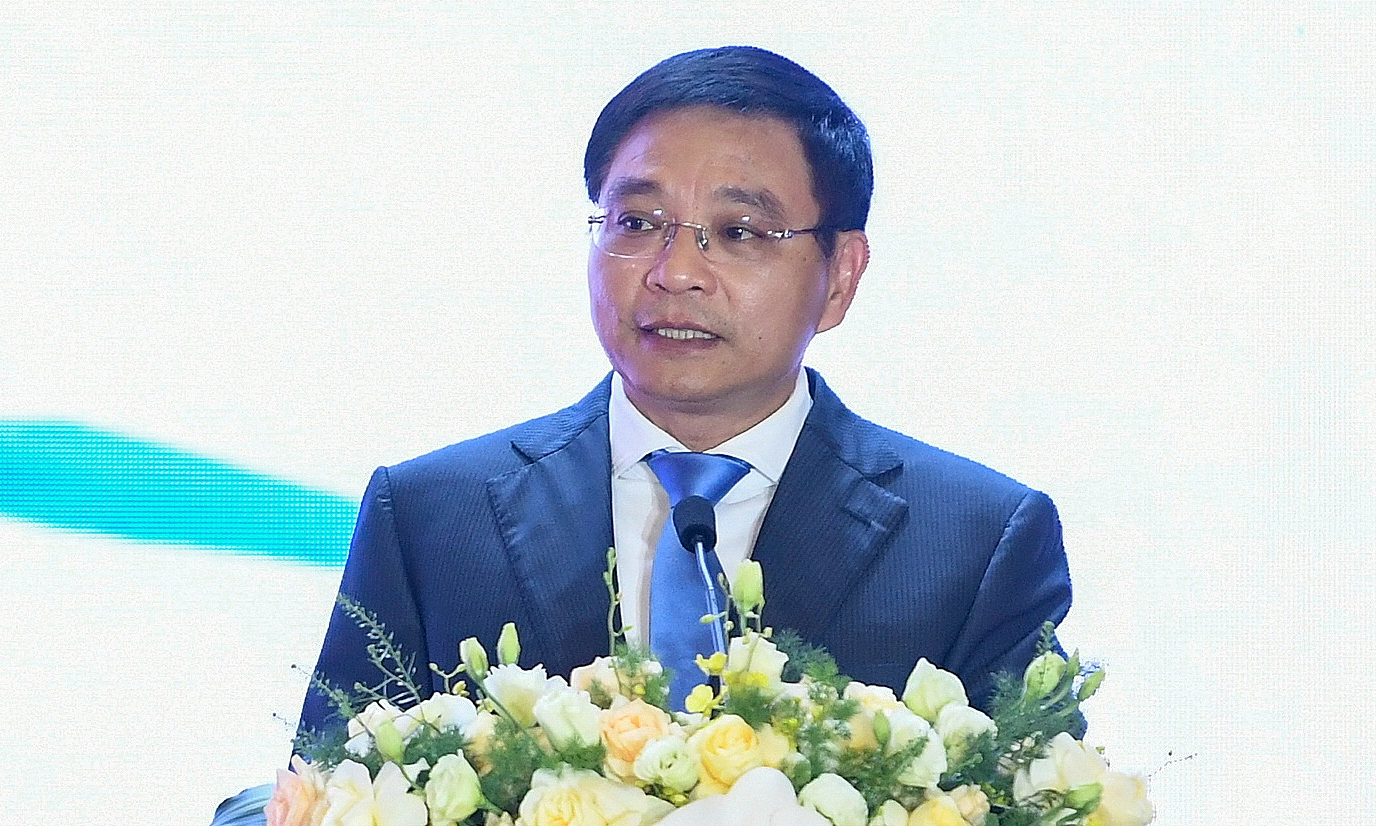
On 8/7, Russian Deputy Prime Minister Alexander Novak stated during a televised government meeting that the country would ban diesel exports and commence fuel imports from July, to address domestic gasoline and diesel supply issues.
"Today, the ban on diesel exports takes effect. This could help increase supply for the domestic market", he said, acknowledging Russian concerns about shortages at gas stations.
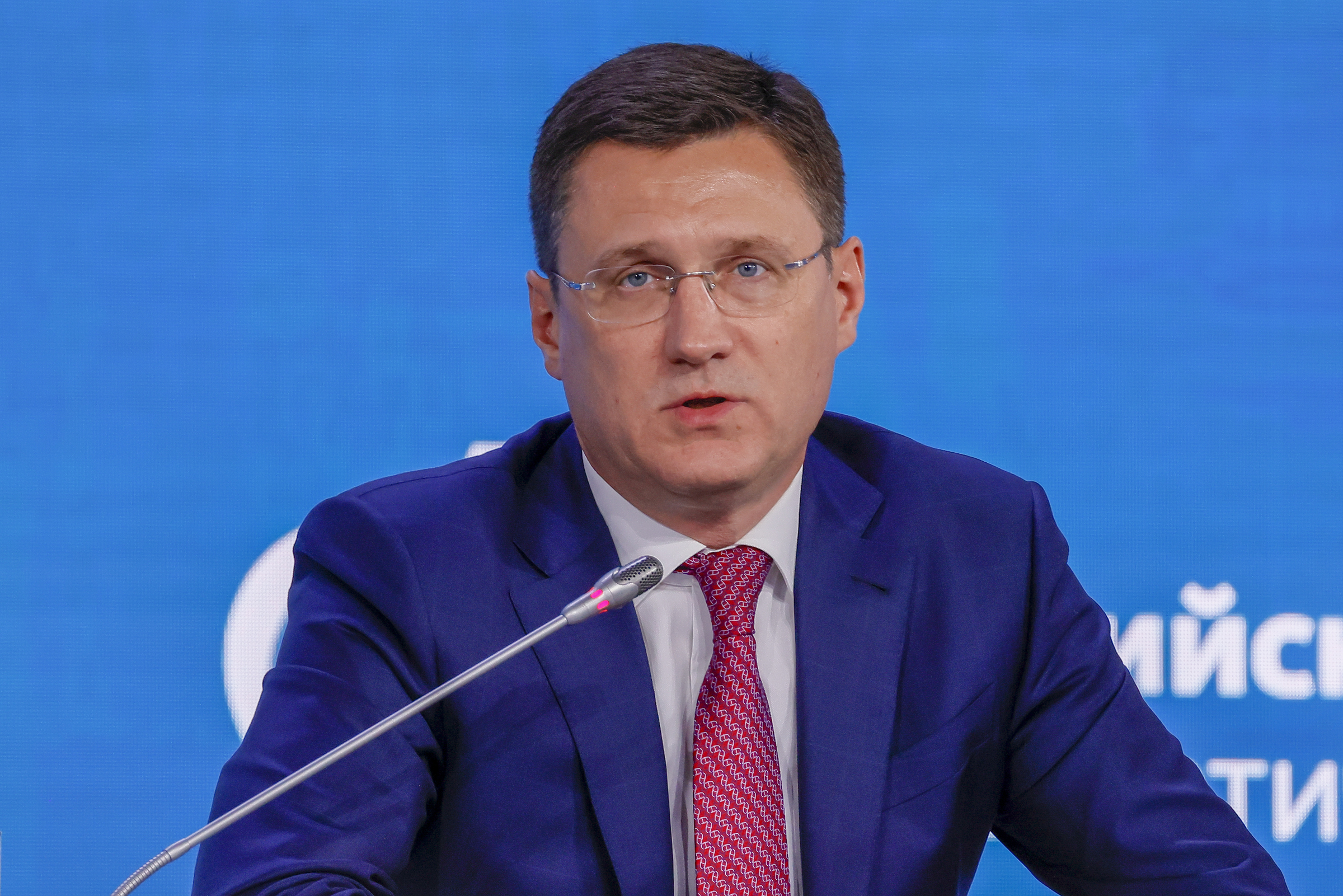 |
Russian Deputy Prime Minister Alexander Novak at an event in Moscow in 10/2023. *Photo: AFP*.
Earlier this month, Russian President Vladimir Putin indicated the country was considering a ban on diesel exports. Russia is currently the world's third-largest crude oil producer and one of the major global diesel suppliers. The ban will remain in effect until 31/7.
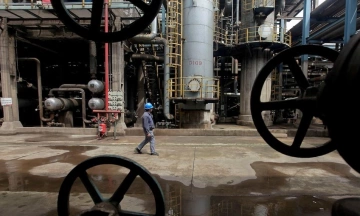
Russia is facing fuel shortages, following months of continuous drone attacks by Ukraine on energy infrastructure deep within Russian territory, including oil refineries and fuel depots. Ukrainian leaders refer to these as "long-range sanctions", implemented to increase pressure on Moscow to accept negotiations.
Initially, Russian officials attributed fuel shortages to localized bottlenecks. However, on 28/6, President Putin for the first time acknowledged that many regions were experiencing this situation and pledged measures to stabilize the market.
Russia's gasoline production has decreased by about 25% due to numerous refineries halting operations. The supply disruptions led many localities to implement fuel sales restrictions, and gasoline prices in many areas also increased sharply.
Russia's seaborne diesel exports in June decreased by almost 40% compared to the previous month, to approximately 1,8 million tons. Shipping company data shows that last month, Brazil and Turkey remained the main buyers of this product, accounting for at least 50% of exports. Morocco, Egypt, and Senegal were also significant importers of Russian diesel in June.
Ha Thu (according to Reuters)