According to data from the Vietnam Association of Seafood Exporters and Producers (VASEP), shrimp export turnover in the first two months reached 690 million USD, an increase of 20% compared to the same period last year.
China (including Hong Kong) remains the primary market for Vietnamese shrimp, with a turnover of 309 million USD, up 58% year-on-year. This figure represents nearly half of the total shrimp export turnover in the first two months of the year.
The EU maintained a steady increase, reaching 77 million USD, up 28%. Japan saw a slight increase of 1%, totaling 70 million USD.
Conversely, the US market experienced a significant decline. In February alone, shrimp exports to this market reached only 16 million USD, a decrease of 61%. Cumulatively for the first two months, American buyers spent nearly 60 million USD on Vietnamese shrimp, down 22% compared to the same period last year.
VASEP attributes the sharp drop in shrimp exports to the US primarily to pressure from trade policies. Specifically, during the 19th administrative review for frozen warmwater shrimp, the US Department of Commerce imposed a 25,76% duty on mandatory respondents. Additionally, 22 companies eligible for separate rates faced a 4,58% duty. These tariffs increased costs, making importers more cautious when placing orders.
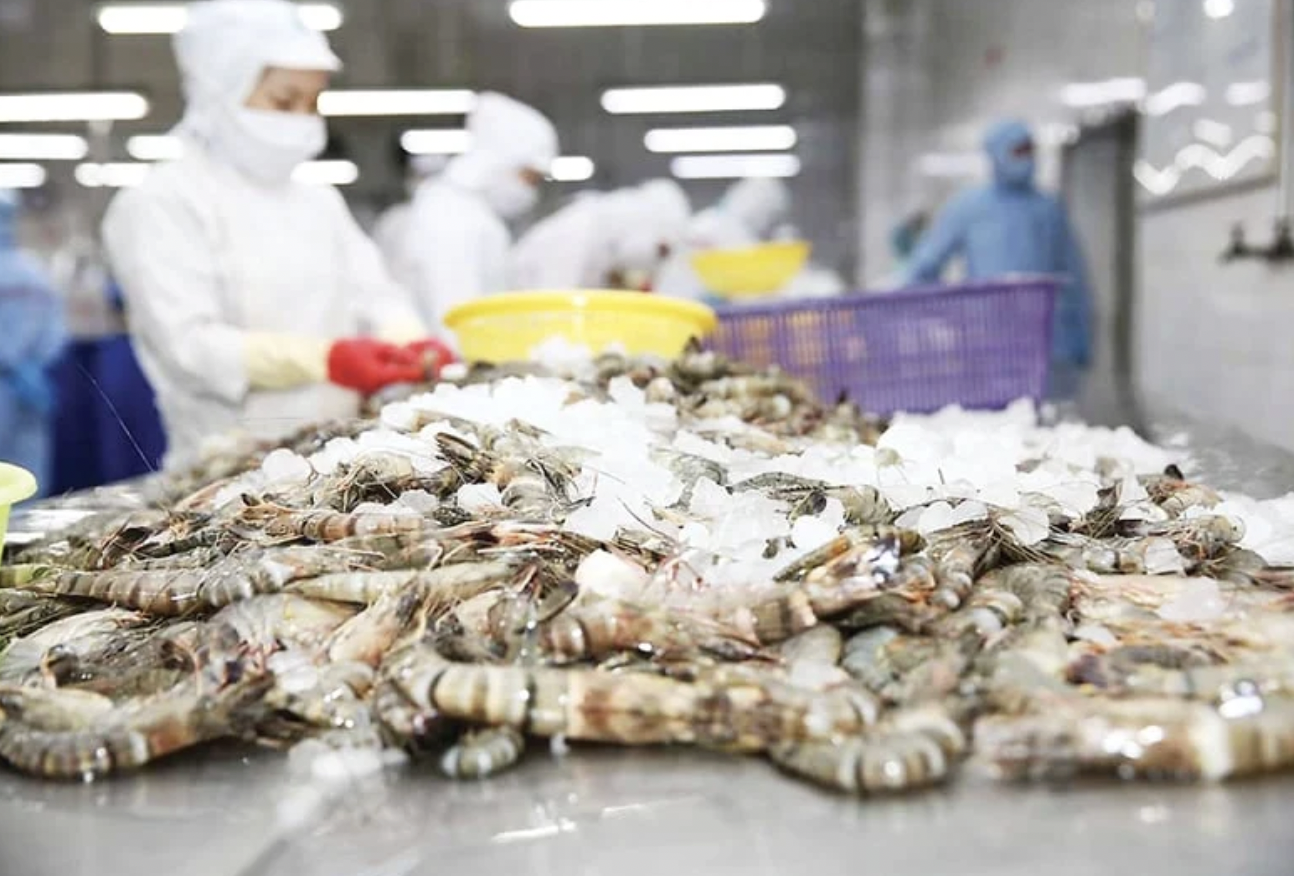 |
Cong nhan dang so che tom tai nha may o phia Nam. Anh: VASEP
Furthermore, the policy of imposing an additional 10% import duty under Section 122 of the US Trade Act for 150 days, effective from late February, also impacted market sentiment. The US simultaneously tightened technical requirements, including antibiotic control, HACCP standards, and traceability, which increased risks and costs for businesses.
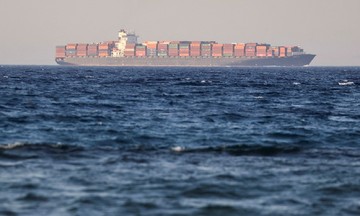
Moving into March, VASEP noted that seafood businesses faced further pressure as Middle East tensions disrupted logistics, driving up shipping costs. The organization forecasts that in the final month of Q1, shrimp export turnover to the US may continue to decline as costs surge.
According to Ms. Tran Thi Que Phuong, a VASEP representative, many international shipping routes were interrupted, forcing vessels to reroute, extending delivery times by 10-14 days. Some routes required transshipment, incurring additional freight charges. International shipping costs increased by approximately 2,000-4,000 USD per container, while domestic costs for a 40-foot refrigerated container rose by about 500,000 Vietnamese dong.
At the VietShrimp and Aquaculture Vietnam 2026 exhibition on 18/3, Ms. Rose Chitanuwat, ASEAN Regional Project Director for Informa Markets Group, commented that Middle East tensions are disrupting global supply chains. Rising logistics and fuel costs not only hinder seafood exports to the US and Europe but also affect the entire production chain.
As freight costs escalate, businesses become more cautious with orders, slowing consumption. Meanwhile, farmers face increased input costs and reduced prices for finished products due to abundant supply if exports stagnate.
Mr. Ton That De, CEO of Viet Uc Group, echoed this sentiment, stating that rising input costs due to supply chain disruptions and logistics fluctuations have driven up prices for feed and shrimp farming products. Conversely, the price of finished shrimp has not increased proportionally, and in some cases, has even decreased, creating dual pressure on businesses.
Thi Ha