Sunswap is expanding its global footprint to enhance operational efficiency, monitoring, and control within the transport refrigeration sector. The company currently operates in the United Kingdom, several European countries, South America, and Australia.
Fleet operators in Chile and Australia have already adopted Sunswap's electric refrigeration systems, following successful performance verification by fleets in the UK and Europe. These systems are designed to maintain stable temperatures while providing real-time data on energy consumption, temperature accuracy, and maintenance requirements.
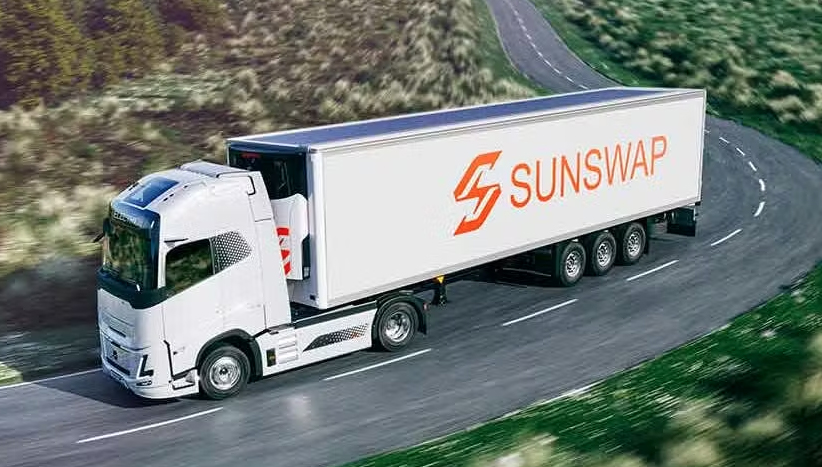 |
Refrigerated trucks using Sunswap's electric refrigeration system operate on the road, illustrating a transport refrigeration solution integrating solar power and real-time data to enhance cold chain efficiency. Photo: Sunswap.
Sunswap's Endurance units integrate solar power, reducing operating costs and lessening reliance on grid charging. The system features fewer components and is lighter than traditional diesel-powered units, which contributes to greater operational efficiency. Furthermore, the units offer predictive maintenance alerts and software updates to optimize performance.
The adoption of Sunswap's technology reflects a significant shift in fleet operators' expectations. Businesses now demand more than just temperature maintenance; they require systems that provide operational monitoring, control, and analytical data to support data-driven decision-making.
Sunswap's global expansion addresses the growing demand for transport refrigeration solutions that prioritize operational efficiency and cold chain monitoring, moving away from traditional diesel designs. This approach also contributes to emission reduction goals by elevating operational standards and promoting data-driven fleet management.
Sunswap, a UK-based technology company, specializes in developing electric transport refrigeration systems for the logistics and cold chain industry. The company focuses on energy-saving solutions, integrating operational data, and supporting efficient fleet management, all while contributing to emission reduction in the cold transport sector.
Nhu Y (According to FleetOwner)