President Anura Kumara Dissanayake of Sri Lanka addressed the nation regarding the strain on the nighttime electricity grid caused by vehicle charging, AFP reported on 18/3.
Citizens typically charge their electric vehicles after each workday. This activity generates an additional 300 MW of electricity demand every night. "We are forced to operate all power plants to meet this increase", President Anura stated.
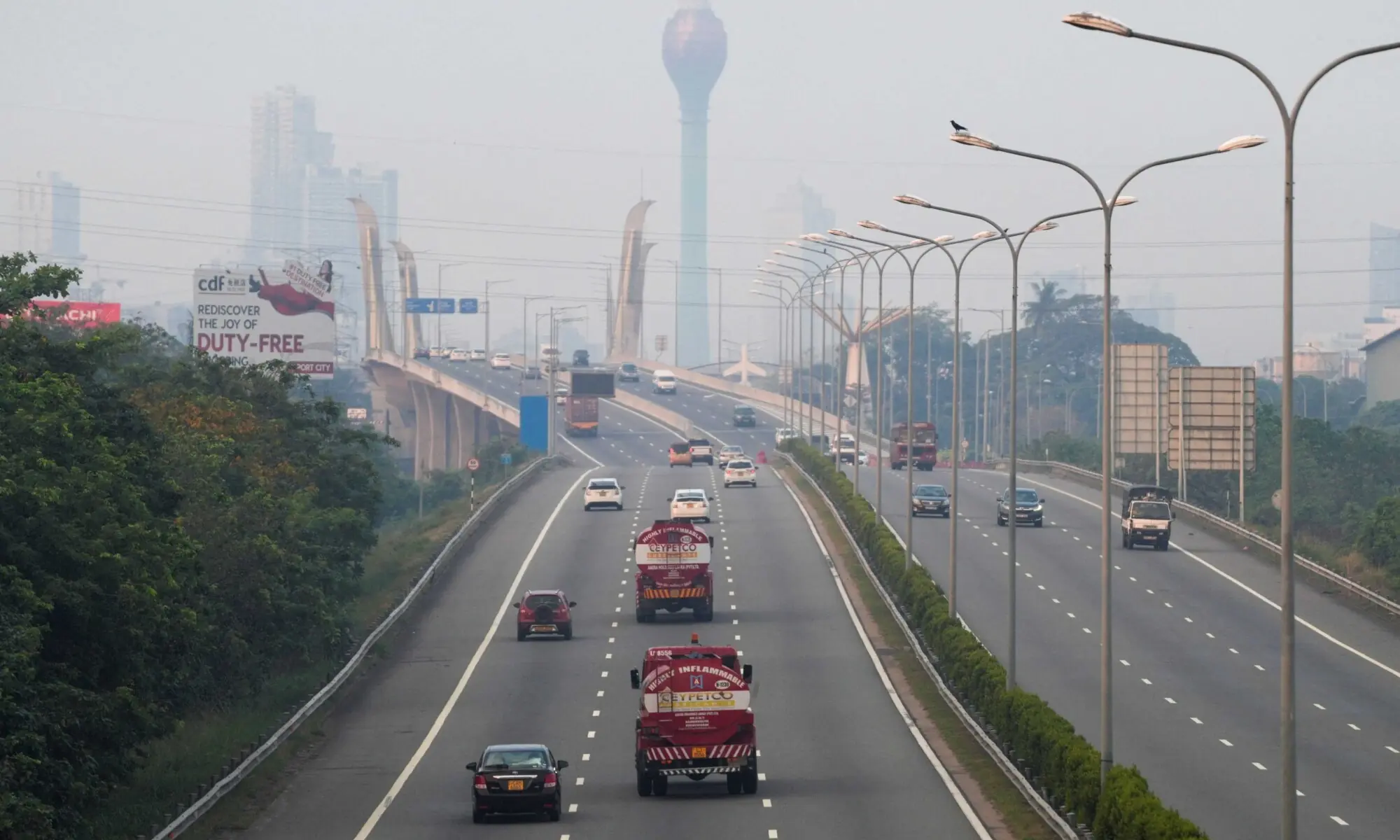 |
Fuel tankers entering Colombo, Sri Lanka, on 18/3. *Photo: AFP*
The majority of nighttime electricity is supplied by a 900 MW coal-fired power plant and a 1,000 MW oil-fired power plant, which contrasts sharply with the green, clean image electric vehicles aim for. Conversely, Sri Lanka possesses abundant solar power during the day. However, the country lacks large-scale battery storage systems, preventing it from optimizing this energy source.
To conserve electricity, the government is urging citizens to switch to daytime charging. Authorities also plan to implement higher tariffs to curb nighttime charging activities.
The number of electric vehicles in Sri Lanka has surged since February last year, following the lifting of a 5-year ban on oto imports. Previously, due to the Covid-19 pandemic outbreak in 2020, Sri Lanka imposed import restrictions to preserve foreign exchange reserves, allocating these funds for essential goods such as medicine, fuel, and food.
Prior to the energy challenges stemming from the Middle East conflict, this South Asian nation had already begun rationing fuel. Drivers are required to register for a National Fuel Pass, which limits the amount of fuel they are permitted to purchase. Under weekly fuel quotas, bus drivers can buy 60 liters, private oto 15 liters, and moto only 5 liters.
Regarding oil supply, Dissanayake stated that they cannot secure two shipments of 90,000 tons of crude oil due to the war in the Middle East. However, the government is negotiating with "friendly nations", including India and Russia, to purchase refined oil.
To further conserve fuel, Sri Lanka also implemented a four-day work week starting 18/3. Under this arrangement, every wednesday is a public holiday for the public sector. This system will also apply to schools but will not affect State entities providing essential services, such as health and immigration agencies. Authorities indicated that choosing wednesday as an additional holiday is more suitable than friday, avoiding a situation where State agencies would be closed for three consecutive days.
Bao Bao (according to AFP, BBC)