The 1,1 billion USD deal, announced on 16/3 in Tokyo, highlights global efforts to lessen reliance on China for critical metals. Reuters reported the agreement was made on the sidelines of the Indo-Pacific Energy Security Ministerial and Business Forum.
Under the agreement, Trafigura will purchase 2,000 tons of nickel in mixed hydroxide precipitate (MHP) and 1,500 tons of lithium carbonate. This represents the largest contract in the battery metal recycling sector, according to Electrek.
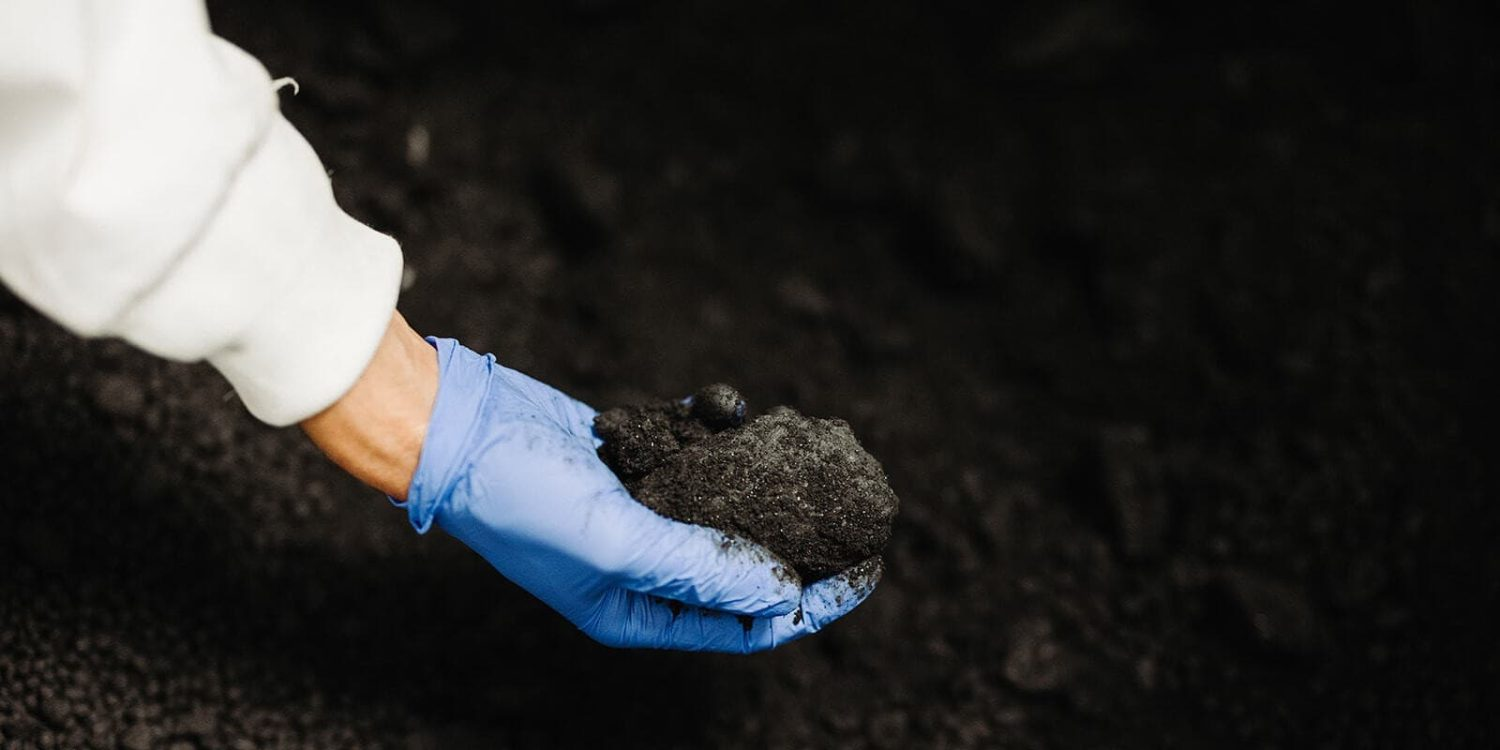 |
"Black mass" after crushing waste batteries. Photo: Nth Cycle |
These materials will be refined from approximately 12,000 tons of "black mass"—the recovered component after crushing used lithium-ion batteries. This "black mass" is increasingly recognized as a vital input for the Western battery supply chain.
Nth Cycle commercialized its recycling technology in 2024 at its Ohio, US plant. The company plans to expand operations to South Carolina and the Netherlands. The South Carolina facility aims to strengthen the domestic metal supply chain for electric vehicles, energy storage batteries, and AI data centers.
The plant in the Netherlands will facilitate Nth Cycle's European development. This project received 7,5 million euro in funding from the Dutch National Growth Fund, part of its critical raw materials (CRM) initiative.
Nth Cycle will deploy its commercial electrolysis system, named Oyster, at these facilities. Site selection is expected to be completed this year, with operations commencing in 2028.
According to Nth Cycle, metal recycling from waste batteries in the US and Europe has historically faced significant barriers, including high costs and lengthy implementation times. Traditional plants typically require billions of USD in capital investment, extended permitting procedures, and large-scale operations to achieve economic efficiency.
The Oyster system features a modular design, allowing installation at existing facilities. This reduces recycling plant construction time from over 5 years to under 2 years. The technology also cuts initial plant investment costs by up to 70%, ensuring profitability even at a smaller operational scale.
Nth Cycle's leadership emphasizes the urgent need for expanded metal recycling capacity, particularly in the US. US energy and industrial policies increasingly prioritize securing critical mineral supply capabilities.
The European Union is strengthening regulations concerning these metals. The bloc mandates new electric vehicles to use recycled nickel and cobalt, tightens the cap on nickel ore transport between member states, and prohibits its export to China.
Bao Bao (according to Reuters, Electrek)