Prime Minister Pham Minh Chinh confirmed that Vietnam's fuel and energy supply is stable, assuring sufficient resources for current production, consumption, and the coming months. This assessment came during a meeting with the Energy Security Task Force on 17/3. He noted that crude oil supply for domestic refineries is maintained, and fuel prices are controlled, closely tracking global rates.
"Fuel and energy are secured for production and consumption, minimizing negative impacts on people, businesses, and the economy", he stated.
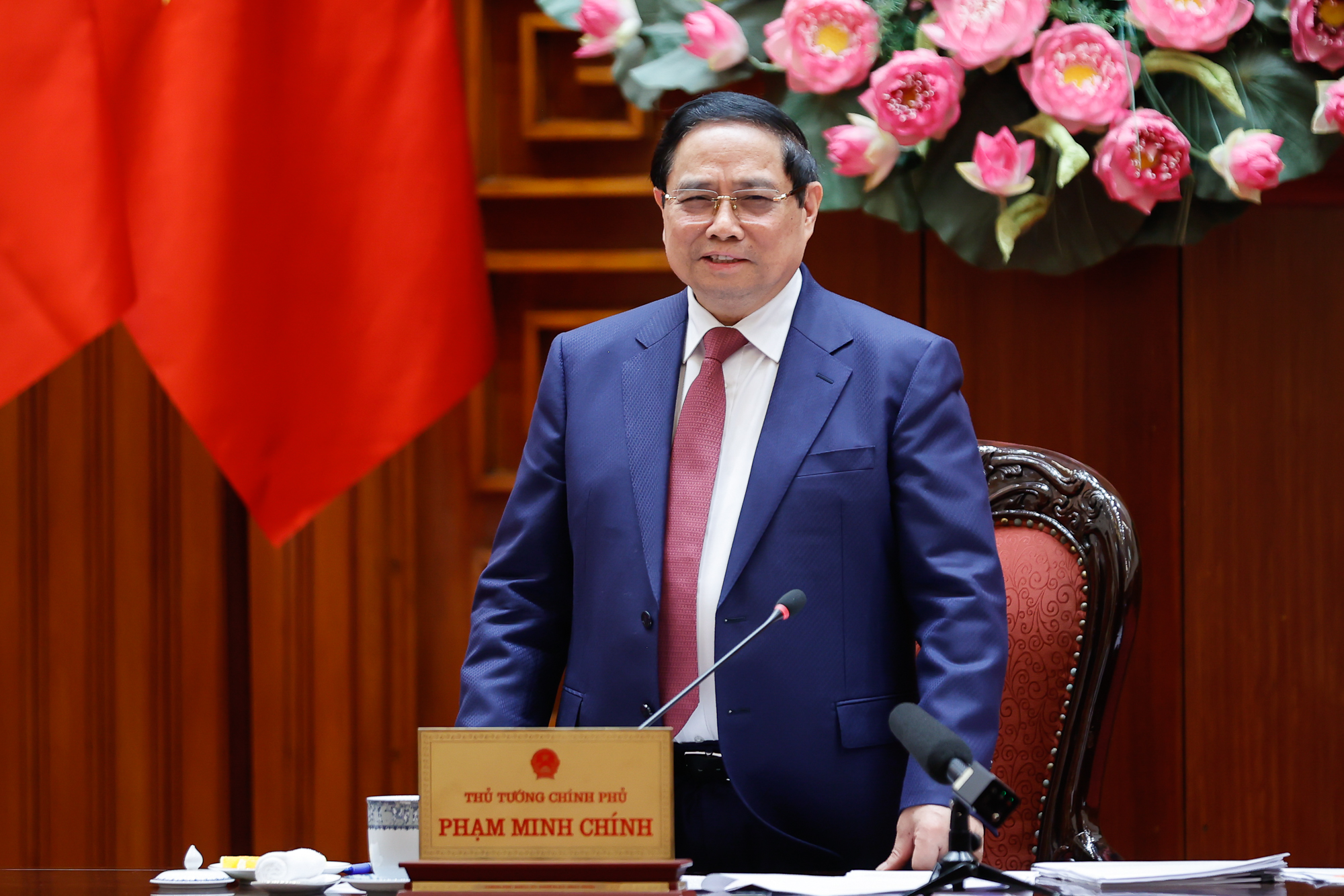 |
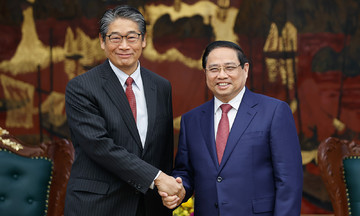
Prime Minister Pham Minh Chinh speaking at the meeting, 17/3. *Photo: VGP*
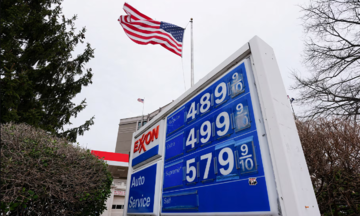
This government assessment arises amid significant volatility in the domestic fuel market, driven by escalating conflict in the Middle East. Gasoline and oil prices currently stand 27-40% higher than at the end of February, before the conflict intensified.
To address these challenges, the Prime Minister has engaged in extensive diplomatic efforts. He held phone calls and sent official letters to leaders of various countries, and met with ambassadors in Vietnam, requesting support for the nation's energy security. Domestically, the government has utilized the fuel price stabilization fund and adjusted taxes to mitigate price impacts.
Delegates at the meeting predicted that the Middle East conflict will continue to affect the global energy and fuel supply chain, potentially leading to increased global oil prices and impacting domestic supply and costs. Consequently, Vietnam needs long-term solutions to ensure a stable fuel supply for its production and consumption needs.
Concluding the meeting, Prime Minister Pham Minh Chinh directed ministries and agencies to "firmly grasp the situation and react flexibly." The primary goal is to prevent any shortages or disruptions in the fuel and energy production and supply chain. Functional agencies are also tasked with implementing measures to prevent policy exploitation and market destabilization, while concurrently increasing strategic reserves and diversifying markets and products.
He assigned specific responsibilities:
The Ministry of Industry and Trade is to direct the implementation of energy security solutions, ensure stable operation of refineries and imported crude oil sources, and promptly deploy E10 gasoline.
The Ministry of Finance is to coordinate price management, stabilization funds, anti-smuggling efforts, and research tax and fee solutions for periods of strong oil price fluctuations.
Furthermore, functional forces must increase inspections and strictly handle speculation, fraud, and the dissemination of false information. Concurrently, relevant agencies must ensure a balanced supply of coal and gas for electricity production, proactively planning for potential disruptions in import sources.
The Ministry of Foreign Affairs was requested to promote international cooperation to secure fuel supply. Other ministries are to control food prices, provide credit support for energy businesses, and implement technological solutions to reduce reliance on fossil fuels.
Phuong Dung