Under Government Decree 110 on the Extended Producer Responsibility (EPR) for manufacturers and importers regarding product and packaging recycling and waste treatment, businesses can choose to either recycle products themselves or contribute financially to the Environmental Protection Fund. This contribution is based on the volume of products and packaging sold in the market and the mandatory recycling rate for each product group.
If businesses opt to contribute to the fund, these contributions will partially support collection and recycling activities through a competitive proposal mechanism. Annually, before June 1, the Ministry of Agriculture and Environment will announce support packages for specific product and packaging groups.
The maximum support for recycling various types of packaging, lubricants, inner tubes, tires, light bulbs, and solar panels is 10 billion dong. However, recycling accumulators, batteries, e-waste, and vehicles can receive up to 20 billion dong.
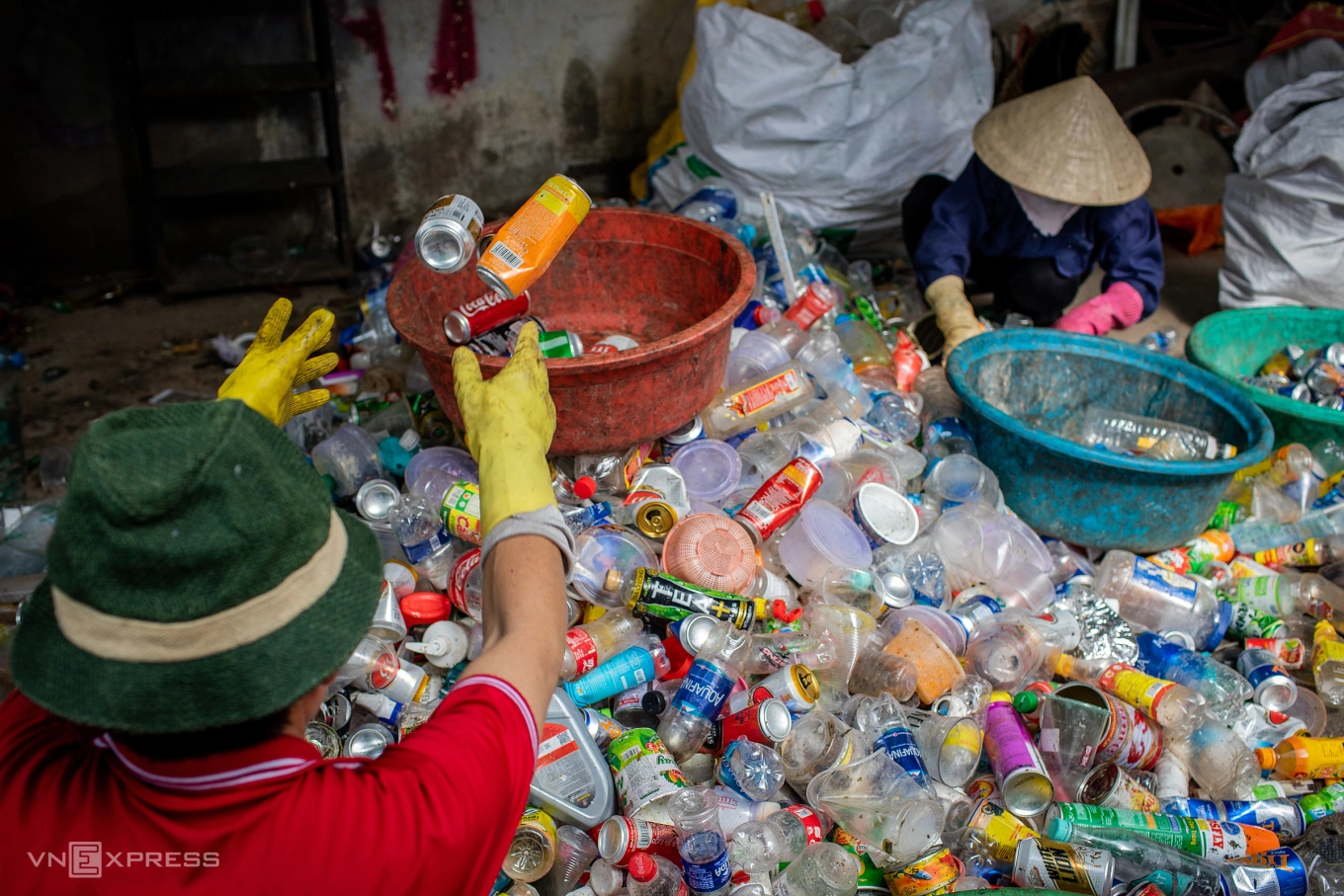 |
The family of Tran Manh Du in Go Vap District sorts waste for scrap sales at home on 5/8/2019. Photo: *Thanh Nguyen*. |
For each of the aforementioned packages, the authorities will select one unit to receive support from the fund. Each unit may apply for support from the fund for multiple product and packaging groups, but not more than three support packages within one group.
Also, under Decree 110, businesses can either recycle waste themselves or use it as raw material to produce new products. Furthermore, they are permitted to sign contracts with recycling units or authorize one organization to carry out this work. Any recycling unit hired to provide services must possess an environmental license as stipulated.
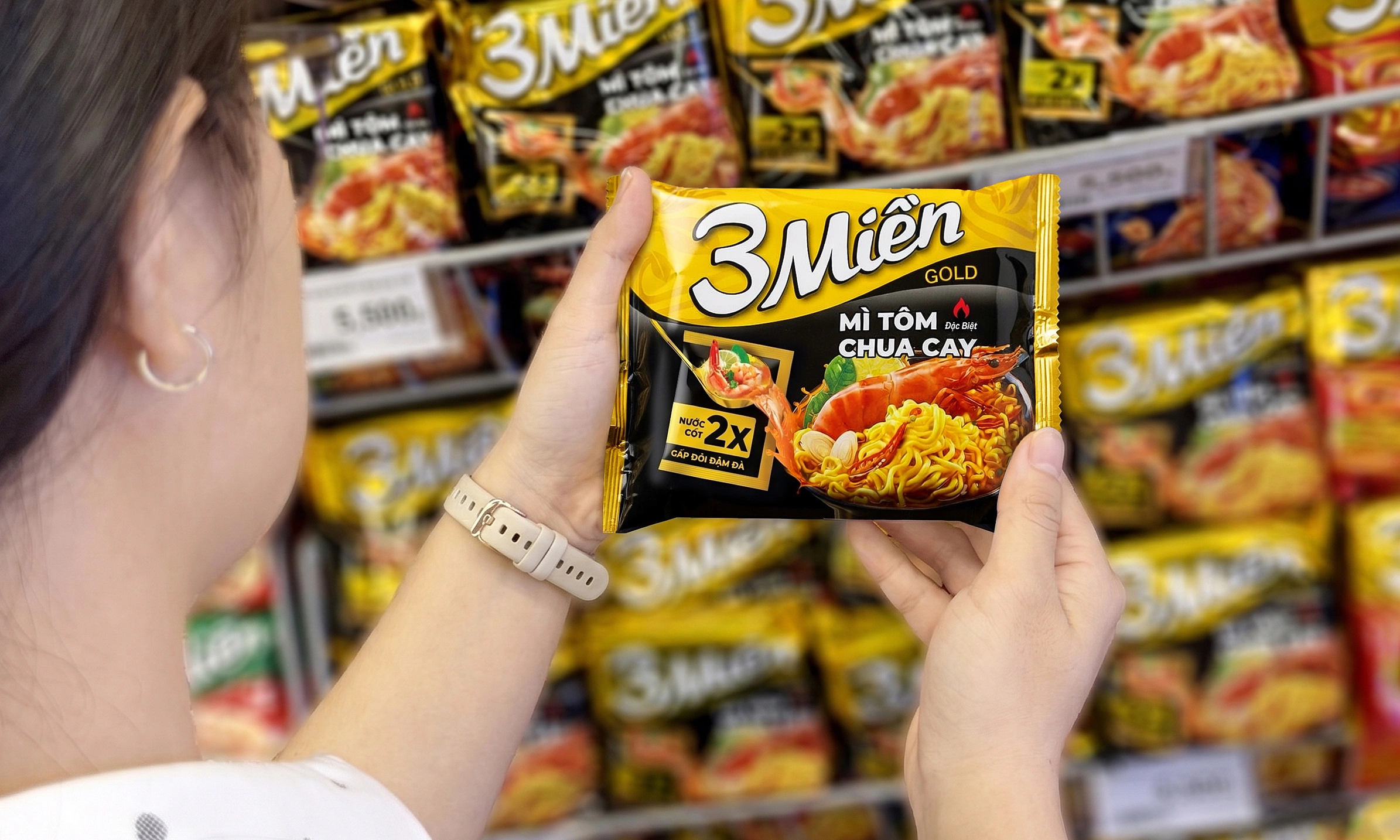
Extended Producer Responsibility (EPR) applies to packaging for food, cosmetics, pharmaceuticals, fertilizers, animal feed, and cement, among others. Manufacturers and importers of road transport vehicles are responsible for recycling vehicles they produce or import starting from 1/1/2027.
Thuy Truong