US President Donald Trump once pledged to reinstate import tariffs after the policy faced repeated rejections by courts and numerous legal challenges. He is now fulfilling that commitment, but without the fanfare and late-night social media posts that characterized his previous attempts.
Trump's new approach to import tariffs is more cautious, methodical, and patient. The tools being used to rebuild this policy are more targeted and technical, designed for long-term sustainability.
On 2/6, Jamieson Greer of the Office of the United States Trade Representative (USTR) announced the results of a months-long investigation into partners' policies on preventing the circulation of products made with forced labor. The investigation was conducted under Section 301 of the Trade Act of 1974. The USTR believes these practices disadvantage the US in competition.
The agency proposed imposing an additional 10% tariff on goods from Canada, Ecuador, the EU, Indonesia, Mexico, Pakistan, Argentina, Bangladesh, Cambodia, El Salvador, Guatemala, Malaysia, Taiwan, and the UK. For the 45 other economies under investigation, including Vietnam, the proposed additional tariff is 12,5%.
These tariffs are not immediately effective. The USTR will hold a public comment period, lasting until 6/7. One day later, the Office of the United States Trade Representative will host hearings on the proposal.
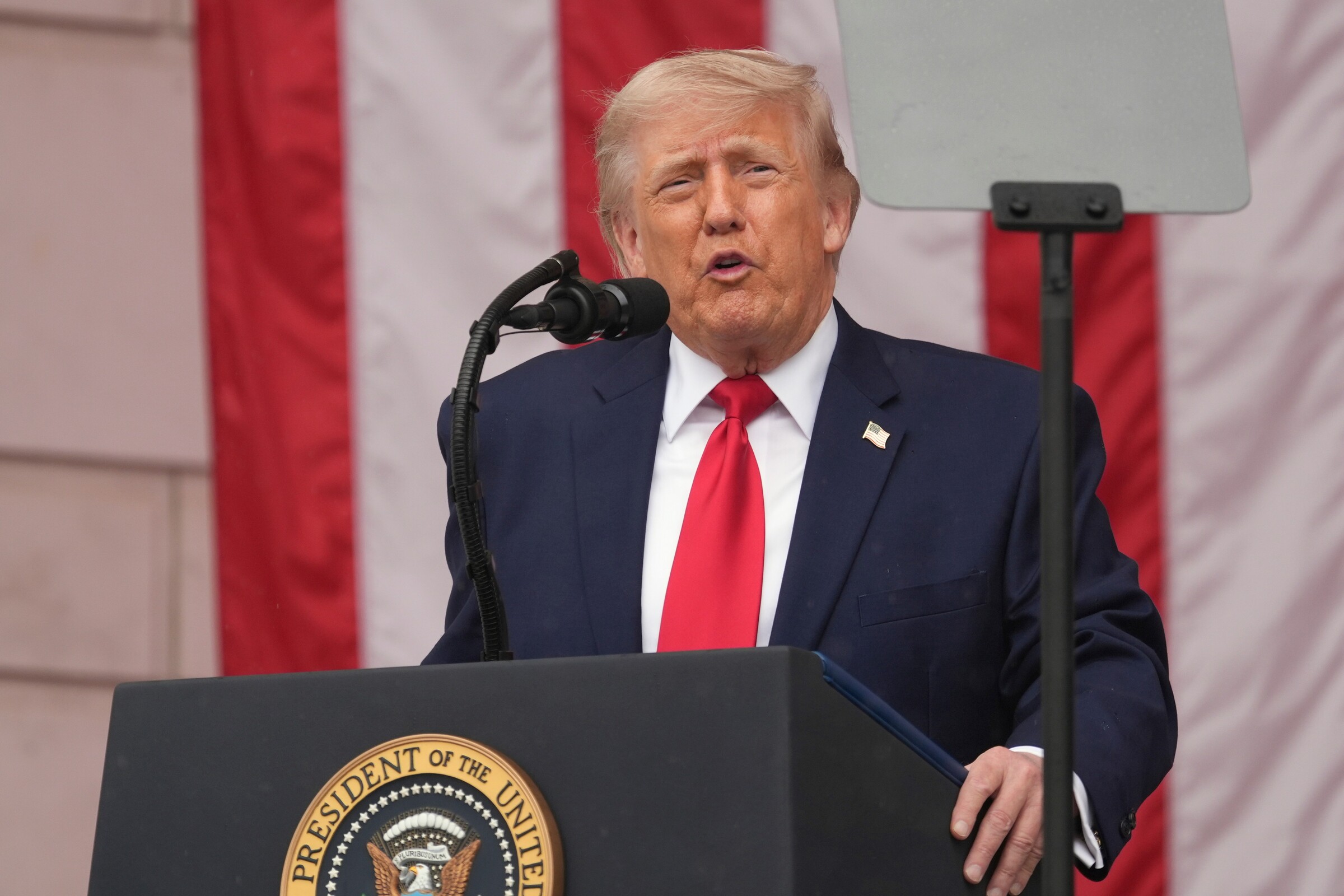 |
President Donald Trump speaks at an event at Arlington National Cemetery, Virginia, US, on 25/5. *Photo: AP*
Regarding the proposed additional tariffs on Vietnam, Ministry of Foreign Affairs spokesperson Pham Thu Hang stated on the afternoon of 4/6 that the USTR's investigation findings "do not accurately reflect reality and Vietnam's efforts to prevent and reduce forced labor."
The Ministry of Foreign Affairs spokesperson affirmed Vietnam's consistent policy of strictly prohibiting all forms of forced labor, adhering to International Labor Organization (ILO) regulations and free trade agreements, and ensuring practical implementation.
Hang noted that Vietnam provided full information during the investigation and will continue to work constructively and cooperatively with the US to resolve existing disagreements, based on bilateral and multilateral cooperation. This aims to protect the legitimate interests of Vietnamese workers and businesses.
The USTR announced this investigation on 11/3. At that time, the agency also stated it would open another investigation into industrial overcapacity in 16 partners, also based on Section 301 concerning unfair practices.
These actions aim to restore import tariff pressure after the US Supreme Court rejected tariffs imposed by President Donald Trump based on the International Emergency Economic Powers Act (IEEPA) in February. Following the Supreme Court's ruling, Trump signed an order to impose an additional 10% import tariff for 150 days, citing authority under Section 122 of the Trade Act of 1974.
However, this 10% tariff is only temporary. The Trump administration has signaled its intention to use Section 301 for longer-term goals. Section 301 allows the USTR to investigate countries potentially violating trade agreements or engaging in practices harmful to US businesses. During his first term, Trump used this provision to increase tariffs on some imports from China, as well as aircraft and other goods from the European Union.
Unlike Section 122, tariffs resulting from a Section 301 investigation are not limited in rate or duration. In March, Greer expressed hope to complete the investigations before the 10% tariffs expired in July.
Last month, however, the US Court of International Trade (CIT) also ruled to reject the US's 10% import tariffs. They only blocked the application of tariffs to Washington state and two small businesses, a group that had filed lawsuits against these tariffs since early March.
On 1/6, the USTR proposed imposing 25% tariffs on many items from Brazil, following a Section 301 investigation. The agency accused Brazil of engaging in "unreasonable" trade activities that "burden or restrict US commerce." Early last month, the US president also announced he would raise import tariffs on cars from the EU to 25%, citing the bloc's non-compliance with trade agreements.
On AP, Ryan Majerus, a trade lawyer at King & Spalding, predicted that the new tariffs would be implemented before the current temporary tariffs expire. "The USTR is under immense pressure to ensure there are no gaps in import tariff revenue. I believe, at the current pace, they will complete everything and be ready to impose the new tariffs on time," he said.
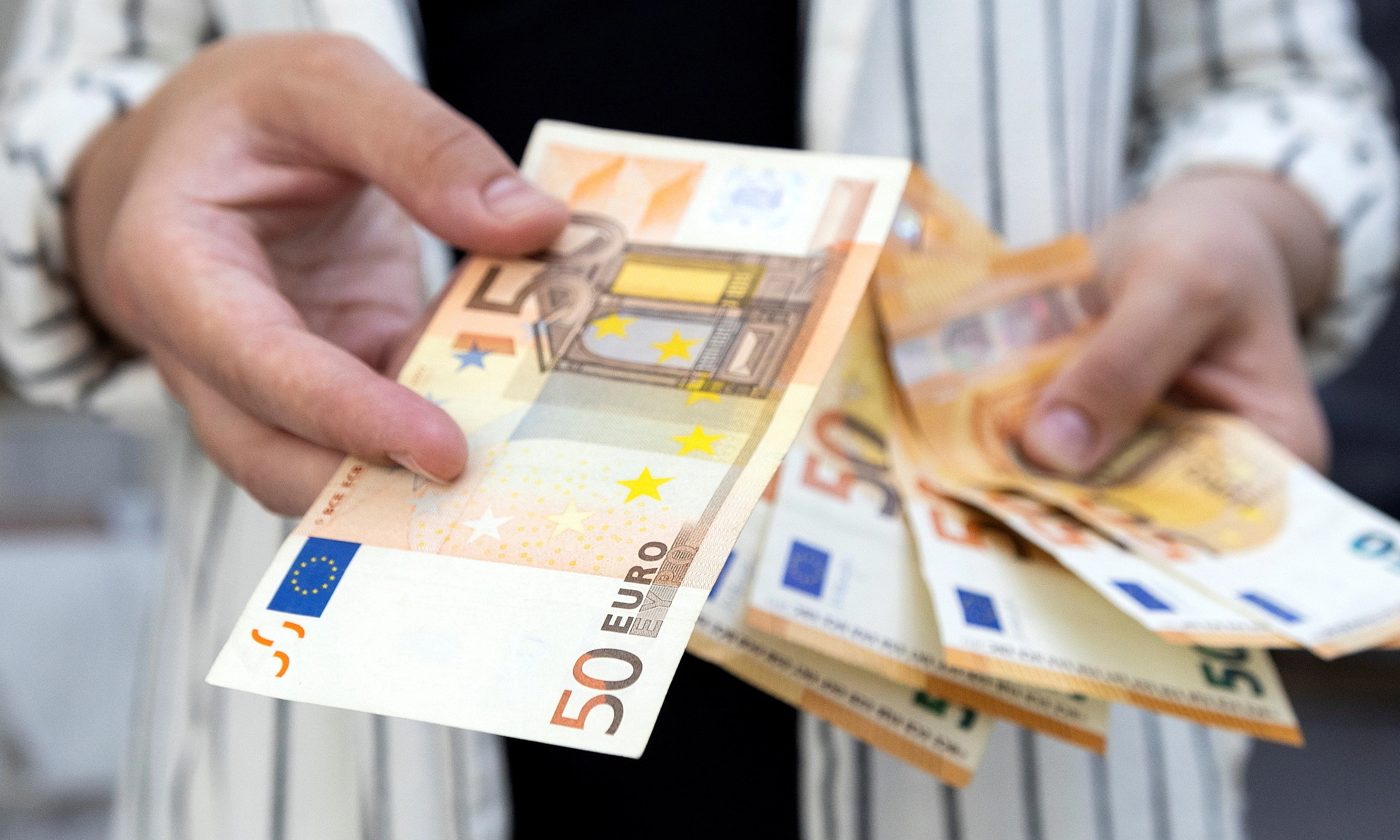
In addition to proposing new tariffs, the Trump administration has also appealed a federal judge's ruling that requires the government to refund the entire 166 billion USD in tariffs collected under policies citing the IEEPA.
The administration began refunding these fees in April but stated it would not immediately repay tens of billions of USD in tariffs, including complex payments for which importers had not yet sued the government. It remains unclear when the system will be open for all eligible payments to be refunded.
Furthermore, the government also appealed a ruling requiring Commissioner Rodney Scott of the US Customs and Border Protection to testify on the government's refund process. In its appeal, the administration proposed other officials whom they claim have deeper knowledge of the refund process.