According to research published on 29/1 by U.S. industrial and logistics real estate group Prologis, coastal markets experienced the most significant impact, with a 7,6% decrease year-on-year, while inland markets saw a 3% decline. Houston, Indianapolis, and Nashville recorded the highest rental price growth in 2025.
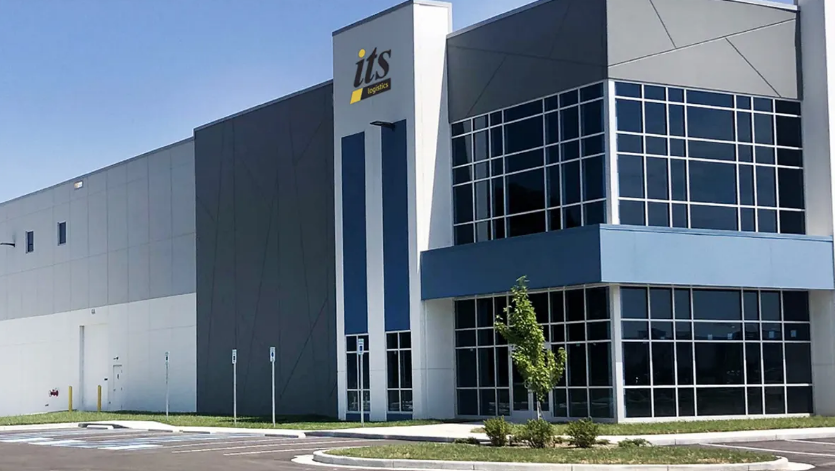 |
A warehouse of ITS Logistics in Whitestown, Indiana, on the outskirts of Indianapolis, U.S. Photo: ITS Logistics
The 4,5% decline in 2025 was less than the 6,5% drop observed in 2024. Prologis suggests this trend could reverse this year, as businesses "re-prioritize market access speed and the need to control rising transportation costs."
In 2025, warehouse tenants favored newly completed, large-area facilities with lower rents, often located further from consumption centers, to optimize costs. Low freight rates and early inventory stocking strategies allowed businesses to accept a trade-off between infrastructure quality and proximity to major consumer markets.
However, the rental environment may become less favorable for tenants in 2026. Demand increased in the latter half of last year as businesses grew more confident in long-term lease decisions, despite existing tariff and trade risks. In Q4, net absorption exceeded new supply, pushing the vacancy rate down to 7,4%.
Prologis notes that limited speculative supply and faster contract signing are initiating a new phase of competition for warehouse space, as logistics networks expand to meet growth and supply chain restructuring demands.
According to Tim Arndt, Prologis Chief Financial Officer, large retailers, particularly e-commerce businesses, are driving demand by expanding their networks to shorten delivery times and enhance operational efficiency. E-commerce accounted for approximately 20% of Prologis's new leases last year, the highest level since 2021.
Arndt stated, "Improved customer confidence and better-than-expected market conditions reinforce the view that vacancy rates have peaked, and rents are beginning to rise again in many markets."
The Dan (according to Supply Chain Dive)