By the end of September, Vietnam's fruit and vegetable exports to the European Union (EU) reached approximately 269 million USD, a 51,7% increase over the same period last year, according to Customs data. This growth trajectory suggests that total exports to the EU market for 2025 could surpass 350 million USD, potentially nearing 400 million USD, an unprecedented figure.
The EU is one of the fastest-growing markets for Vietnam's fruit and vegetable sector, diversifying export destinations and reducing reliance on traditional markets. This growth primarily stems from a shift in export product structure, with processed products and tropical fruits gaining market share.
Passion fruit has emerged as a key export to the EU, contributing about 25% of total turnover and showing over 100% growth year-on-year. Mangoes, pineapples, and coconuts also achieved two to three-digit growth, aligning with Europe's demand for green and healthy consumption. Processed items like pistachios, mainly re-exported or processed, generated significant revenue. Durian and dragon fruit are expanding their presence in the EU, despite competition from Latin American and African suppliers.
Within the EU, the Netherlands remains the largest entry point for Vietnamese fruits and vegetables, accounting for 35-40% of the bloc's total. This is due to its role as a European logistics and distribution hub. Germany and France follow as major markets, demonstrating steady purchasing power, especially for processed and frozen fruits.
Dang Phuc Nguyen, Secretary General of the Vietnam Fruit and Vegetable Association, attributes this export surge to multiple factors. Tariff preferences from the EU-Vietnam Free Trade Agreement (EVFTA) are effective, giving Vietnamese produce a price advantage over regional competitors such as Thailand, which lacks a similar FTA with the EU. Product quality has also improved, evidenced by a 50% reduction in EU warnings for food safety violations compared to the previous year. This reflects Vietnamese businesses' commitment to residue control and standard compliance.
The shift towards deep processing creates new growth avenues for the sector. The EU now favors importing high value-added products like juices, dried, and frozen fruits over fresh produce. This processing focus helps businesses extend product shelf life, mitigate logistics risks, and enhance export value per unit.
Despite its stringent market requirements, the EU is a bright spot in the 2025 fruit and vegetable export outlook. It exhibits the highest growth rate among major markets and has substantial potential for future expansion.
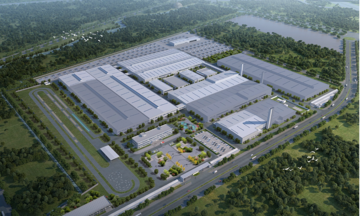
In response to rising demand from discerning markets like the US and EU, many large processing enterprises are expanding investments. For instance, WestFood Joint Stock Company (WestFood) recently launched its WestFood Hau Giang agricultural processing plant. This facility, the largest in the Mekong Delta, spans 7 ha, involved an investment of 666 billion VND, and has a designed capacity of 30.000 tons of finished products annually.
Thi Ha