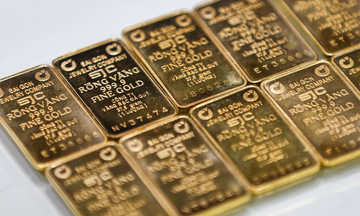
Spot gold prices initially dipped over 5% to approximately 4,262 USD per ounce during early trading on 23/3 (US time). However, the precious metal recovered, climbing to over 4,431 USD per ounce by the session's close, even nearing 4,500 USD at one point. Silver prices also saw a rebound.
According to CNBC, global gold and silver prices rebounded from an early-week decline, driven by expectations of de-escalation in the Middle East, which boosted investor confidence. This followed US President Donald Trump's announcement that he had canceled a "48-hour ultimatum" to Iran after two days of "effective" negotiations.
Trump also stated he had instructed the Department of War to postpone all military strikes targeting Iran's power plants and energy infrastructure for a 5-day period.
Gold had experienced a nearly 10% decline last week, marking its sharpest drop since 9/2011. Spot gold prices currently remain about 25% below their record peak of over 5,594 USD per ounce recorded at the end of January. Similarly, silver prices are just over one-half of the 117 USD mark observed on 28/2, the period when the Middle East conflict escalated.
The earlier trend of investors divesting from gold likely reflected widespread market risk aversion, fueled by concerns over inflation and surging energy prices stemming from the Iran conflict. Experts suggested that the potential for rising interest rates, influenced by the conflict, could prompt investors to favor government bonds over precious metals. During early-week trading, Eurozone government bond yields continued to climb, further limiting safe-haven options for investors.
Nic Puckrin, co-founder of Coin Bureau, noted that trends in the precious metals market suggest numerous central banks and Gulf nations are now utilizing gold reserves accumulated over several years. "The focus has shifted from hoarding to capital preservation, which will naturally cap gold prices," Puckrin explained.
Rob Haworth, senior investment strategist at US Bank Wealth Management, anticipates gold will enter an accumulation or sideways trading phase once speculative factors dissipate and macroeconomic conditions stabilize.
Haworth suggests central bank gold purchases may resume in the future, but only after geopolitical tensions ease and energy markets stabilize. He believes gold investors must adapt to an "unfamiliar" environment where war, inflation, and supply shocks no longer fuel safe-haven demand for gold; instead, these factors could prompt capital to exit the precious metal.
Tu Anh (according to CNBC)