


Princeton University had upheld a unique "Honor Code" for 133 years, allowing exams to proceed without proctors, based entirely on students' commitment to academic integrity.
This era concluded earlier this week when faculty members voted to reinstate proctored exams, effective next summer term. This decision reverses a policy established in 1893.
Professor Michael Gordin, Dean of a Princeton constituent college, stated that this change was prompted by concerns from a significant number of students and faculty regarding the increasing prevalence of cheating.
Gordin highlighted that artificial intelligence (AI) facilitates cheating while making it harder to detect. Moreover, students are often reluctant to report peers, fearing social media backlash. Anonymous reports, while common, complicate the university's investigation process.
Historically, Princeton was among a select group of universities that allowed students to take exams without direct supervision. Even with the new regulation, students will continue to sign an oath upholding the "Honor Code" during examinations.
This tradition of relying solely on student honesty for exams was deeply embedded in Princeton's culture and a source of institutional pride. The Princeton student newspaper reports that the practice originated from students themselves, who advocated for the removal of proctors from exam halls.
Nadia Makuc, a final-year student and chair of Princeton's Honor Committee, indicated that most students support the new rule, finding relief from the pressure of "monitoring" their peers. While the committee handled approximately 60 reported violations last year, she suspects a majority of cheaters remain undetected.
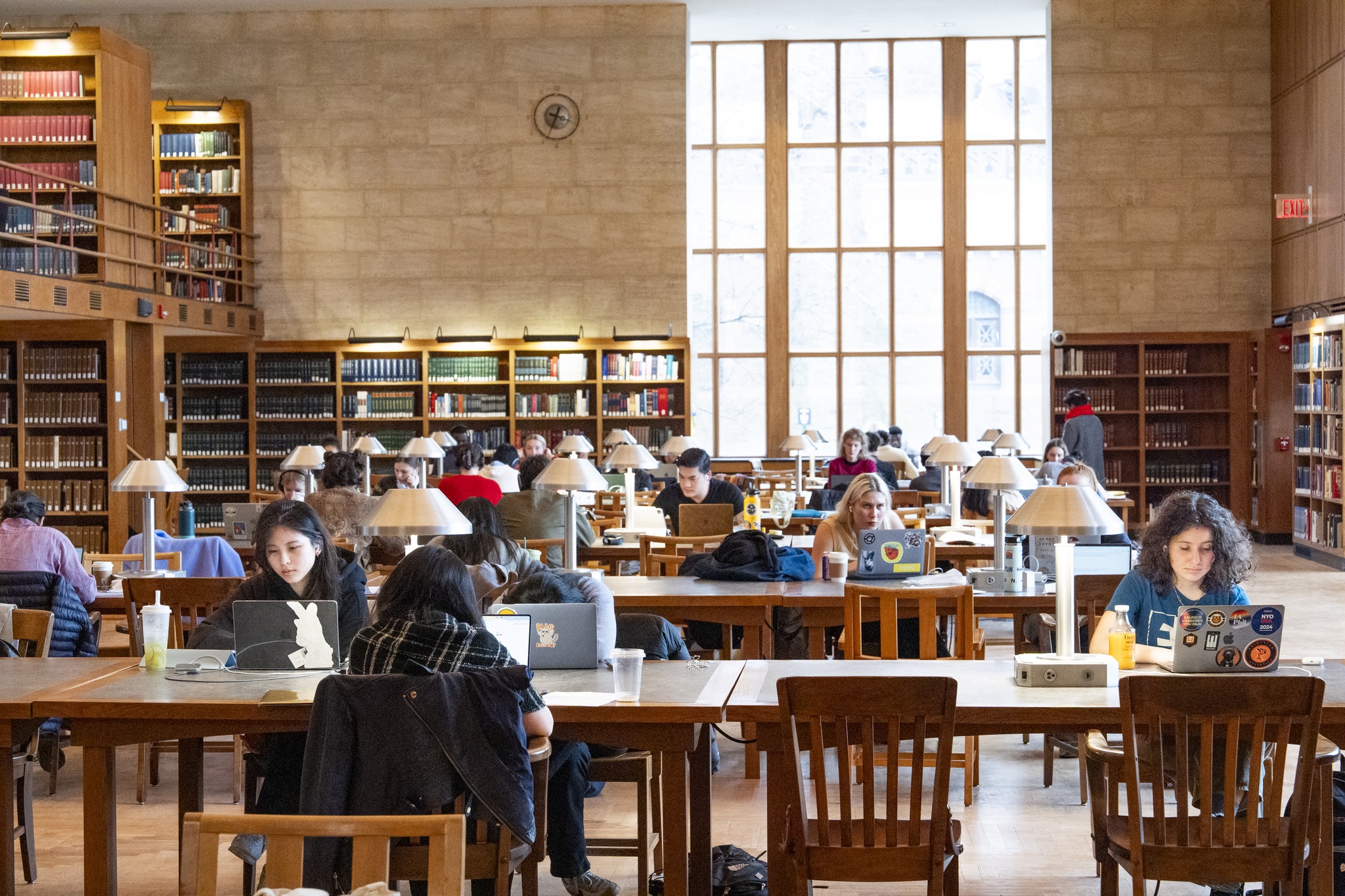 |
Princeton University students studying for midterms in the library. Photo: University Fanpage
"During computer-based exams, students can simply switch tabs. For paper exams, they might secretly use phones under desks or in restrooms to find answers", Makuc explained.
A survey conducted last year among over 500 final-year students revealed that 30% admitted to cheating on assignments or exams. While nearly half were aware of honor code violations, less than 1% reported them.
Princeton's decision underscores the significant challenges universities face with the proliferation of generative AI tools. Christian Moriarty, a professor of ethics and law at St. Petersburg University, cited national studies indicating that approximately one-third of students admit to using AI to complete entire assignments.
In response, faculty across the United States are reverting to traditional assessment methods, including oral examinations, handwritten assignments, and AI detection software. Conversely, students are now employing AI scanning tools to "reverse-check" their essays before submission, aiming to bypass detection.
Moriarty suggested that an "everyone cheats" mentality is leading students to view academic dishonesty as acceptable, or even necessary for competition. This cycle directly threatens the value of degrees and the fundamental principles of higher education.
"We are risking not only the essence of education but also humanity's critical thinking abilities", Moriarty stated, posing a critical question: "Would you want to consult a doctor who relied on AI throughout medical school, or hire a lawyer who used AI to pass their bar examination?"
Princeton University is currently ranked first in the US by U.S.News and is a member of the nation's prestigious Ivy League. The university enrolls approximately 5,800 students, maintaining an acceptance rate of just 4-5%.
Khanh Linh (According to The Daily Princetonian, The Wall Street Journal)


