The Minister of Immigration, Refugees and Citizenship Canada (IRCC) announced the In-Canada Workers Initiative on 5/5. This initiative aims to help up to 33,000 workers quickly transition to permanent resident status before 2028.
According to IRCC, this group of individuals has already established strong ties with local communities and actively contributes to the economy. IRCC will prioritize processing eligible applications from those who currently hold work permits and have already applied for permanent residency.
Eligible applicants must have resided in Canada's rural or remote small towns for a minimum of two years. They must have submitted their applications through one of the following programs: Provincial Nominee Program (PNP), Atlantic Immigration Program (AIP), rural and northern immigration pilot, caregiver programs, or the agri-food pilot.
Under this plan, IRCC aims to grant permanent resident status to at least 20,000 individuals in 2026, with the remaining applicants receiving status in 2027.
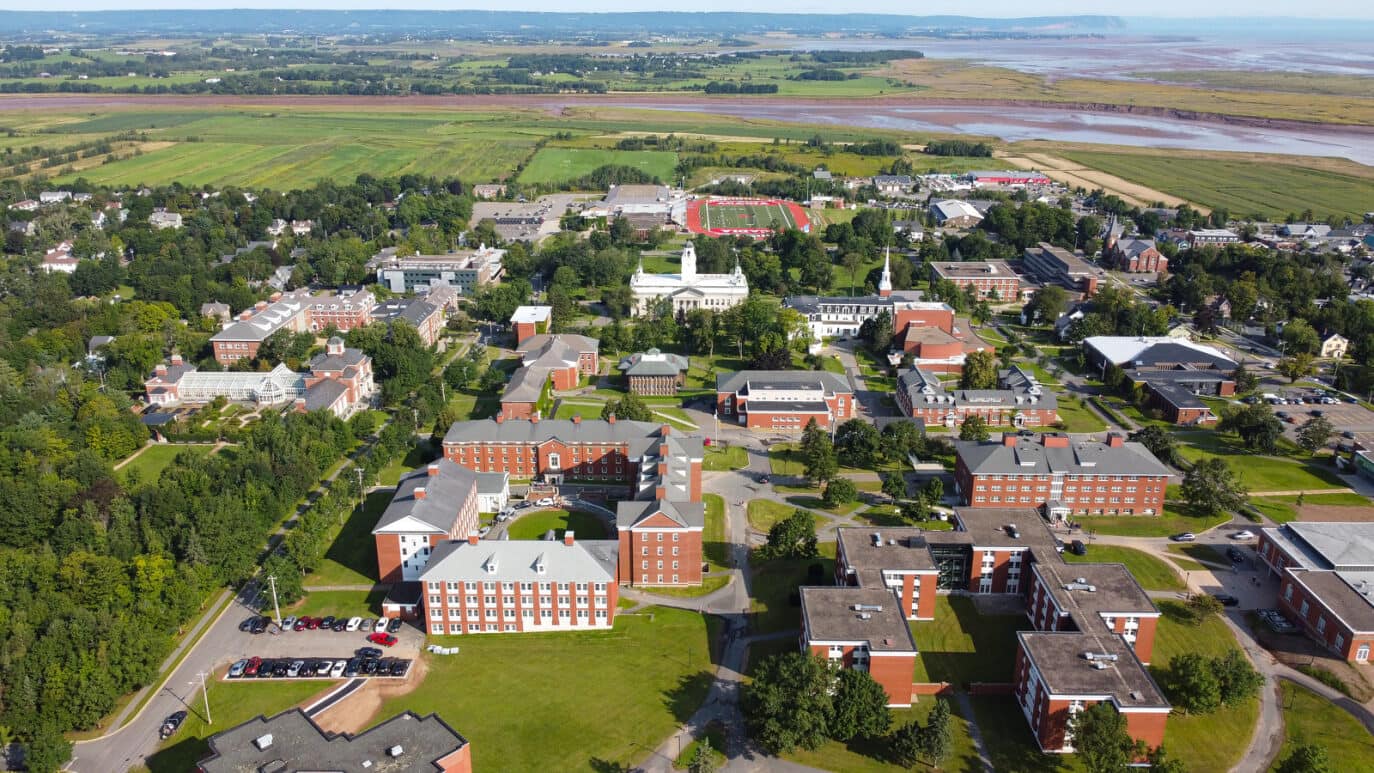 |
Acadia University campus, located in the suburbs of Nova Scotia province, Canada. Photo: University Fanpage |
The IRCC Minister stated that the initiative aims to stimulate economic growth and resolve labor shortages in key sectors within rural areas.
This measure is also expected to help reduce the backlog of applications. Canada currently faces resource constraints in processing applications, leading to international students waiting an average of nearly 250 days to receive a work permit.
Canada is currently one of the top two global study destinations, alongside the US. Last year, nearly 700,000 new study permits were issued in the country, a 64% decrease from the previous year, marking the lowest figure in a decade.
Khanh Linh