Walter Baluja Garcia, head of Cuba's Higher Education Agency, announced on 19/5 that the country would suspend university entrance exams, opting instead for transcript-based admissions. The three admission periods will run from 20/5 to 2/7.
Previously, the agency had announced a postponement of the exams from May to June, but increasing travel difficulties due to fuel shortages led to a change in decision.
Garcia assured that in addition to over 4,000 places already allocated through competitions or aptitude tests, the Ministry would guarantee spots for over 32,000 pre-university students in over 100 fields nationwide. The Ministry of Higher Education also anticipates over 47,000 places for distance learning courses.
Furthermore, the academic year will conclude earlier, progressively from 15/6 to 30/6, instead of July as originally planned. Special education students will finish the academic year in May to reduce their need to travel.
Graduation ceremonies for students will be held simply at schools or in residential areas. Sports and arts schools will also conclude their academic programs early to transition to community support activities.
These changes occur amid a severe fuel shortage in Cuba, exacerbated by economic sanctions. Students and teachers must walk long distances to school, and many localities have reduced boarding school quotas and the number of in-person learning days.
At the university level, many institutions have shifted to online learning or a hybrid model. Educators and students also face teaching and learning without electricity and running water at home.
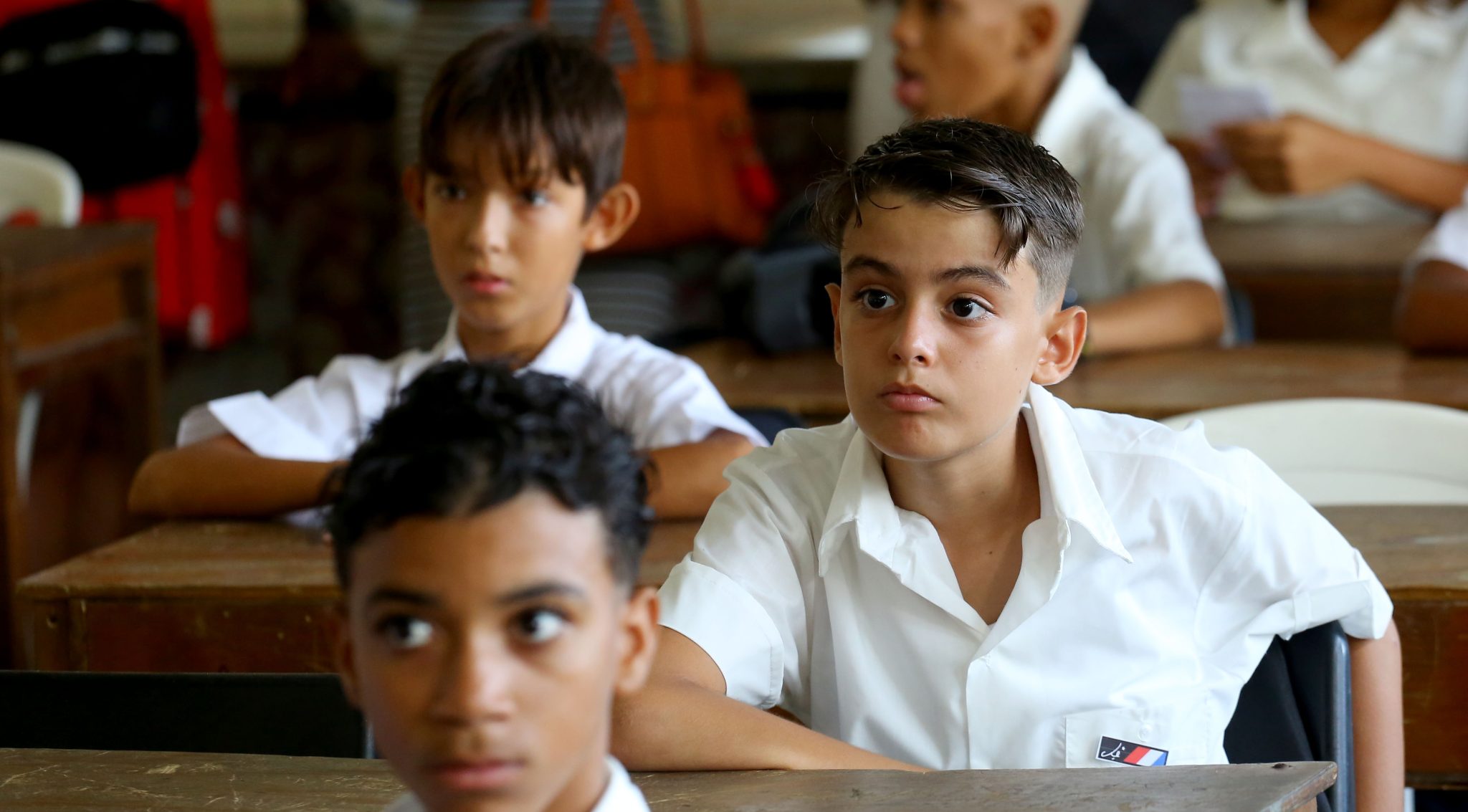 |
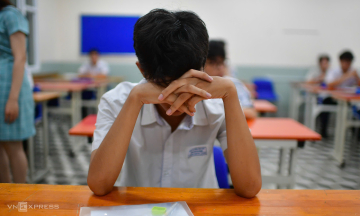
Cuban students. Photo: Cuba Debate |
Cuban students. Photo: Cuba Debate
Garcia noted that the past semester was complex, forcing the higher education sector to decentralize admission quotas to local areas while ensuring distance learning conditions for over 8,000 students who returned to their hometowns.
Minister of Education Naima Ariatne Trujillo Barreto stated that the education sector would prioritize all resources for final-grade levels (grades 6, 9, 12). She affirmed that sudden changes might cause some concern, but they carefully calculated the decisions to ensure equal access to education for students.
Khanh Linh (According to Cuba Debate, Escambray)