The Ministry of Education and Training's draft circular on articulation between vocational secondary, intermediate, college, and university levels, open for public comment until 10/6, has garnered attention. This marks the first time the Ministry has proposed allowing students to articulate from a higher qualification to complete a program at a lower level.
On 8/6, Professor, Doctor Nguyen Tien Thao, Director General of the Department of Higher Education, clarified the regulation's intent to VnExpress. He stated the draft does not create a training pathway from higher to lower levels, nor does it encourage students in higher education to switch to lower levels as a new trend.
The core issue involves recognizing accumulated learning outcomes. This allows students to apply assessed knowledge and skills within a learning path that better suits their personal circumstances, career needs, or job positions.
For instance, an intermediate student can advance to college. Conversely, a university student who has completed some modules but cannot finish the program due to personal or career reasons, or study conditions, can choose a more suitable path, like transferring to a college program.
Modules meeting standards can be considered for recognition, preventing students from re-studying equivalent content. The draft proposes training institutions consider recognition and exemptions based on transparency, professional comparison, and quality control.
Students must still meet admission requirements, complete any outstanding modules, undertake practical training and internships, and achieve the program's learning outcomes before receiving a degree.
"The spirit is to respect students' actual learning outcomes," Thao stated. "They should not have to re-study content already assessed as meeting standards, provided there is equivalence in learning volume, duration, specialized content, and learning outcomes."
He emphasized this approach aligns with lifelong and flexible learning, reducing training waste while maintaining quality requirements and competency standards for each educational level.
This also aligns with international trends. Digital transformation, particularly digital learning records, credit data, and quality assurance systems, enables transparent, evidence-based, and post-auditable recognition of learning outcomes.
"Credit recognition does not mean loosening standards," Thao affirmed. "Conversely, this regulation requires training institutions to more thoroughly compare learning outcomes, content, learning volume, assessment conditions, and accountability."
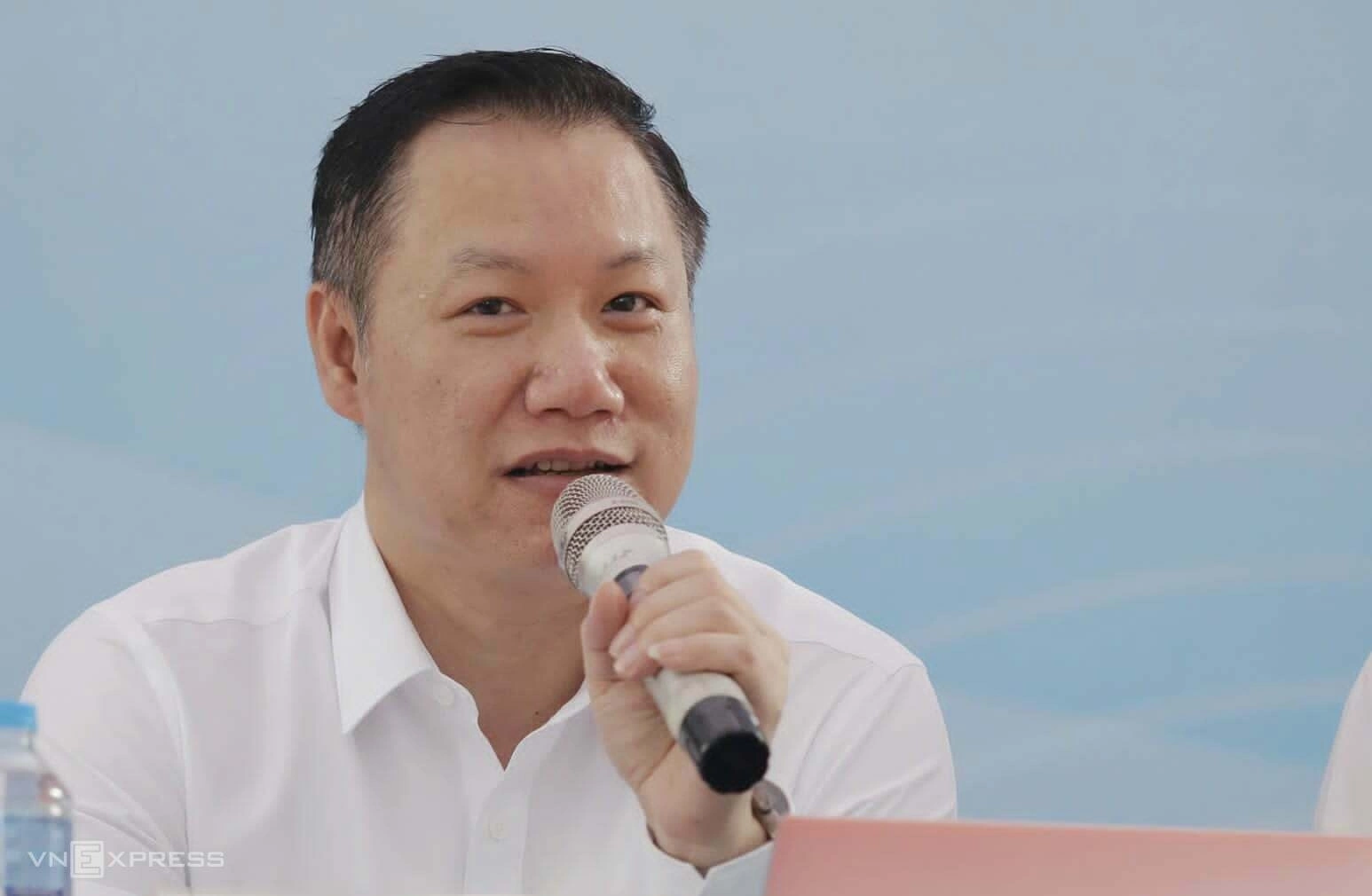 |
Professor, Doctor Nguyen Tien Thao at an admissions counseling event. Photo: Thanh Hang |
If the circular is approved, Thao noted, schools must issue specific regulations and publicly disclose articulation conditions. Recognition will not be widespread, automatic, or solely based on course names. Each case requires evaluation based on academic records, module syllabi, credit volume, duration, specialized content, assessment methods, and learning outcomes.
Schools are responsible for the quality of recognition decisions, while students must complete remaining program requirements. This mechanism requires linkage with digital learning records, credit data, and education databases for storage, verification, post-auditing, inspection, and quality assessment.
"In summary, the draft aims for a flexible but controlled learning mechanism," he concluded.
Duong Tam