Shorelight, an education organization, last week released its annual report on U.S. student visa rejection rates, based on data provided by the government. The report indicates that the visa rejection rate reached 35% in 2025, surpassing the previous peak of 33% in 2020.
Students from Africa were the most affected group, with nearly two-thirds (64%) of applications rejected. Notably, students from countries such as Sierra Leone and Somalia experienced rejection rates exceeding 90%.
South Asia also saw a significant increase in rejections. India, the leading country for international students in the U.S., witnessed its rejection rate surge from 36% in 2023 to 61% in 2025. In other countries within the region, 70-84% of visa applications were denied.
Conversely, the situation in South America was brighter, with the rejection rate decreasing to 22%. In Europe, the figure remained stable at a low level, around 9% over the past decade.
This trend is attributed to changes in U.S. policy. Over the past year, the temporary suspension of interviews for social media screening and tightened security checks have made it difficult for international students, especially in hotspots like India, to secure interview appointments.
Additionally, a proposal to limit the maximum stay to 4 years without automatic extensions has created a significant barrier.
A representative from the U.S. Department of State affirmed that the agency maintains the highest national security standards. Entry into the U.S. is a privilege, not an inherent right. All applications are thoroughly reviewed based on laws and the specific circumstances of each individual.
Shorelight estimates that U.S. universities could lose approximately 3 billion USD in tuition fees this year.
Experts also express concern about long-term consequences, such as a decline in research quality due to a lack of resources for innovation, and a loss of competitive advantage against countries actively attracting talent.
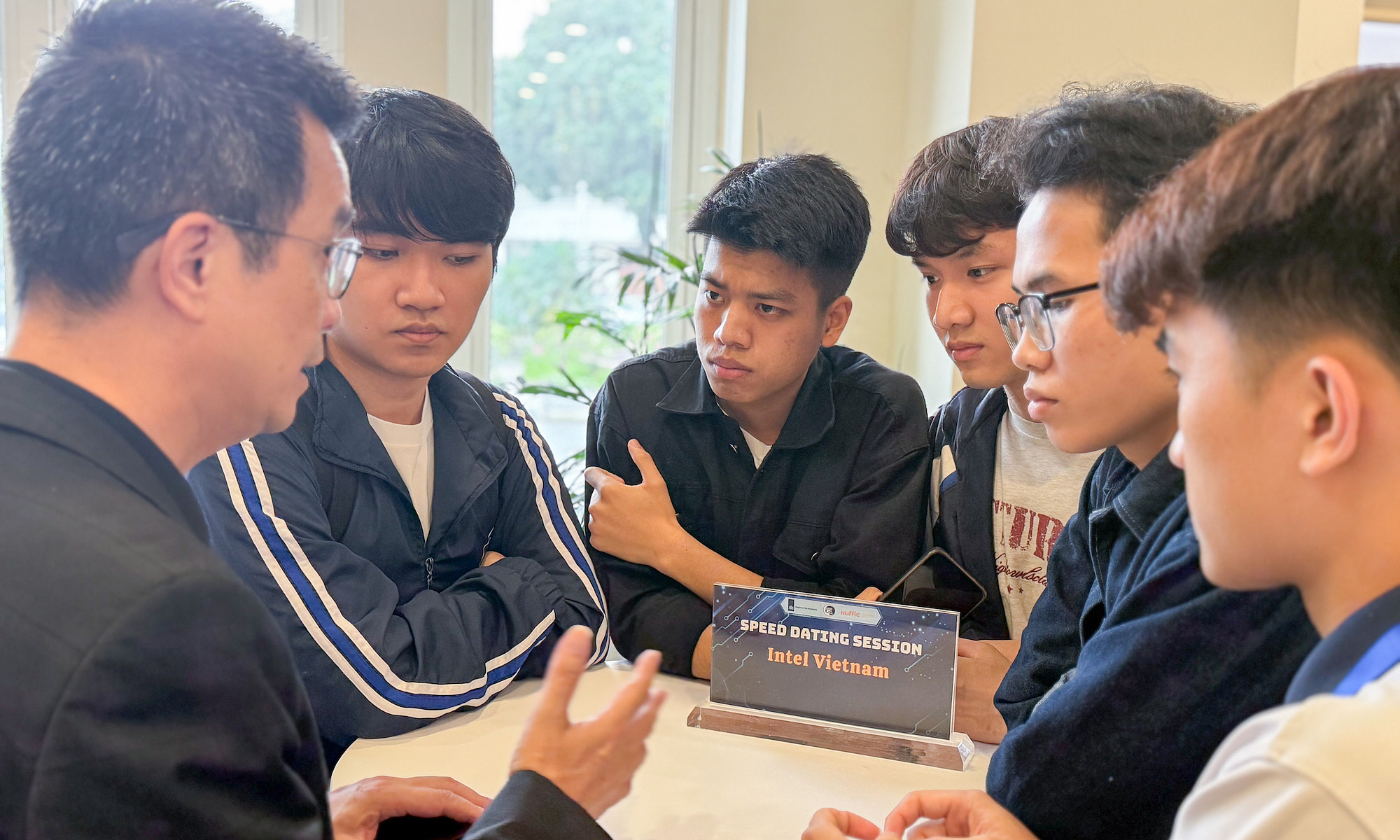
For the 2024-2025 academic year, approximately 1.18 million international students came to the U.S. The number of Vietnamese students was nearly 25,600, an increase of about 16%, maintaining their position in the top 5 largest groups. Universities with the most international students include New York University, Northeastern University, Columbia University, among others.
Khanh Linh (According to Shorelight, Inside Higher Ed, The Pie News)