The American Association of University Professors (AAUP) released its annual report on faculty compensation one week ago. The data was compiled from nearly 770 universities and colleges, covering 360,000 full-time faculty, 125,000 adjunct faculty, and senior administrators at these institutions.
The report reveals a concerning reality: the average salary for full-time faculty increased by 2.3% in the 2024-2025 academic year, but the consumer price index rose by 2.7% during the same period. Consequently, their real wages, after adjusting for inflation, decreased by approximately 0.4%.
Compared to previous periods, the overall picture is even bleaker. The average real salary for full-time faculty is currently about 9.5% lower than in 2019 and nearly 6% lower than in 2008. Among over 750 institutions with comparative data for the two most recent academic years, more than 80% reported an increase in nominal wages, yet only about 40% actually paid salaries that outpaced inflation.
Meanwhile, adjunct faculty, who lack permanent positions, face even greater challenges. Their income is considered low, fragmented, and unstable, with approximately 70% of institutions setting a minimum compensation of USD 4,000 or less per course (3 credits). Only about one-third of institutions provide retirement fund contributions for some or all adjuncts, and 30% offer health insurance support.
In contrast, the average salaries for university presidents range from USD 275,000 to 850,000, depending on whether the institution is public or private, which is 3 to 5 times the salary of a full professor.
Beyond compensation, the report also highlights a growing trend of tenure reductions across institutions. In the fall 2023 semester, only 32% of faculty held tenured or tenure-track positions, a sharp decline from 53% in 1987.
According to the AAUP, this indicates a reduction in the proportion of faculty who can pursue research and innovation without being influenced by corporate or political pressures.
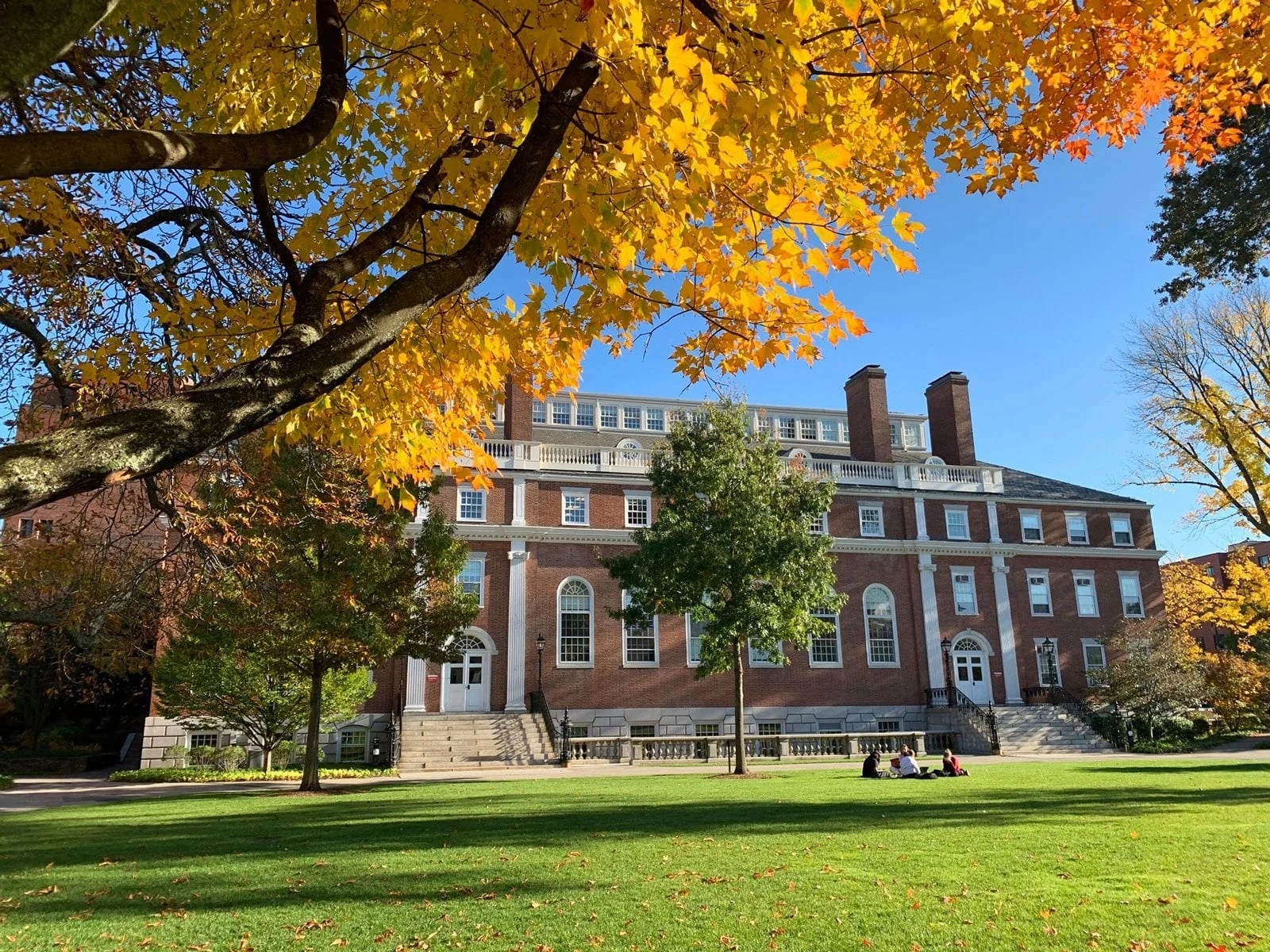 |
A view of the Harvard University Graduate School of Education campus. Photo: The Harvard Crimson |
The US higher education sector is grappling with numerous shifts, including inflation, political interference, inconsistent research funding, and uneven post-pandemic enrollment recovery.
The AAUP views faculty compensation as a core governance issue. The compensation model reflects whether institutions are protecting their staff and academic activities to maintain teaching, research, and overall governance, or if they are increasingly caught in a cycle of crisis management and external pressures.
In March, nearly 1,000 contract faculty at New York University went on strike. They cited shouldering nearly one-third of the teaching load but receiving only 2% of the salary budget, making it impossible to afford the high cost of living in Manhattan.
Khanh Linh (According to AAUP, The Chronicle of Higher Education)