The sketch, titled "Hai Hoa Dan Chu" (Picking Flowers of Democracy), is part of the "Cuoc Hen Voi Thang 3" (Appointment with March) program, scheduled to air at 8 PM on 29/3. Producers have not yet disclosed the content or broadcast duration of the segment. On 23/3, the artists filmed for one and a half hours. Artist Chi Trung stated that the cast adhered to the familiar old motif while adding new details and comedic elements.
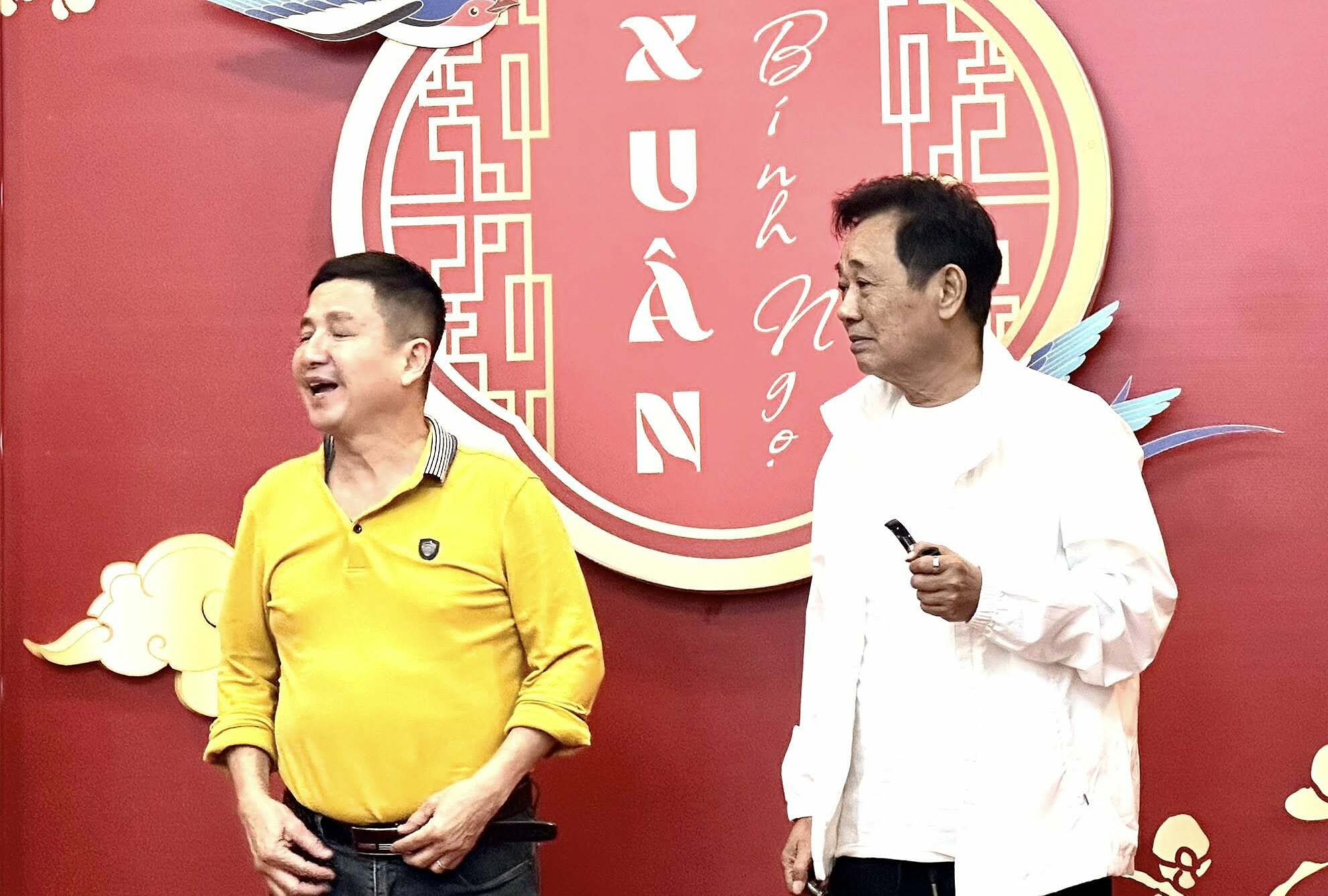 |
Artists Chi Trung and Quoc Khanh during a rehearsal on 21/3. Photo: Provided by character |
The cast includes "Ngoc Hoang" (Jade Emperor) Quoc Khanh, Chi Trung, Tu Long, Quang Thang, Van Dung, and Trung Ruoi. Artists Xuan Bac and Cong Ly are not participating in the program's return. Designer Duc Hung, who has handled the costumes for many years, is in charge of the wardrobe.
The "Tao Quan" (Kitchen Gods) sketch will be featured alongside various musical and dance performances, produced to commemorate the 30th anniversary of Vietnam Television (VTV) broadcasting its first program.
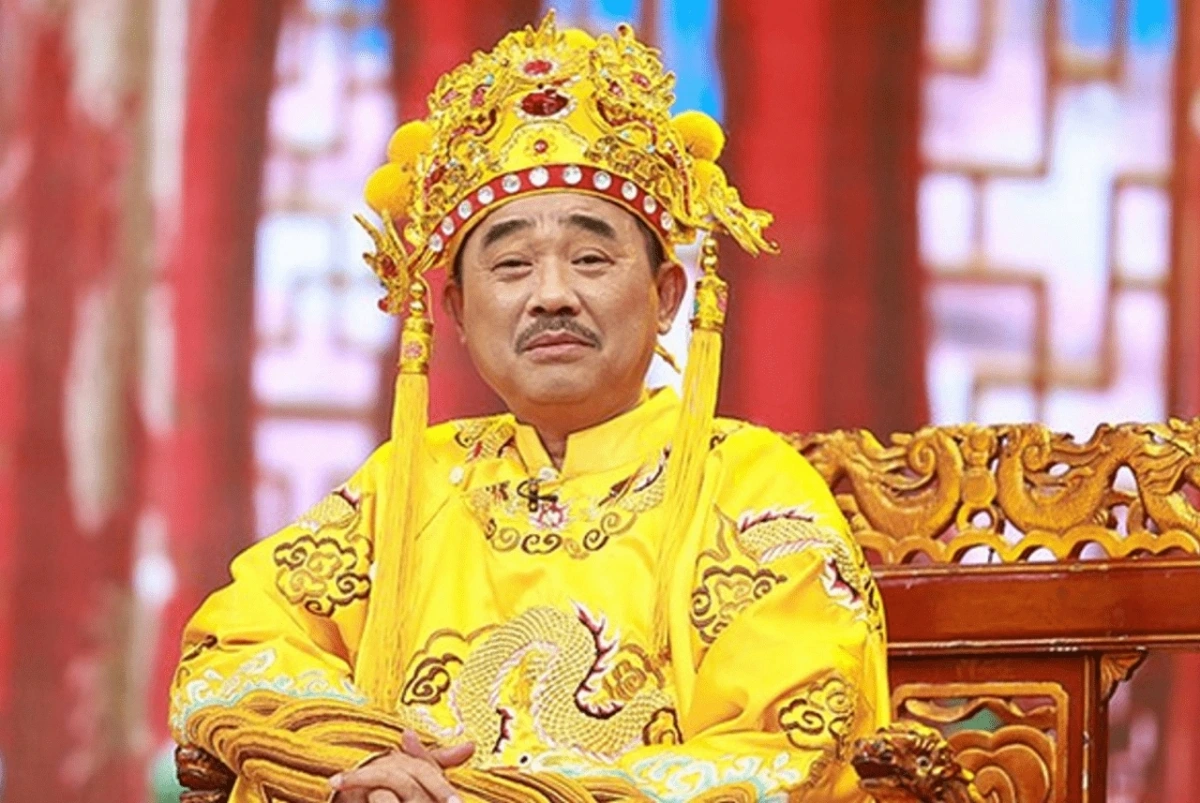 |
Artist Quoc Khanh is associated with the role of Ngoc Hoang in "Tao Quan". Photo: VFC |
Before the Lunar New Year Binh Ngo, many viewers expressed regret when the series ceased production. The "Quang Truong Mua Xuan" (Spring Square) program, which aired in the time slot before New Year's Eve, drew criticism for being "less engaging than Tao Quan".
"Tao Quan - Gap Nhau Cuoi Nam" (Kitchen Gods - Meeting at Year-End) is a television comedy program, first produced in 2003 and broadcast annually on Lunar New Year's Eve. The segment draws on the legend of the Kitchen Gods (Tao Quan) returning to heaven to report to the Jade Emperor (Ngoc Hoang) on events from the past year. Through this, the program humorously reflects and critiques prominent economic, cultural, and educational issues. Over 22 years, "Tao Quan" has evolved, capturing the spirit of the times with a comedic lens, becoming a cherished spiritual staple for millions of viewers.
In previous years, "Tao Quan" was filmed over three days at the Vietnam-Soviet Friendship Cultural Palace in Hanoi. The production team did not sell tickets, as program revenue came from advertising sales on television. They reserved complimentary tickets for artists, crew members, and staff of the production unit. Consequently, interested viewers could only "hunt" for tickets through unofficial channels, with prices ranging from four to 10 million dong per pair.
Ha Thu