Answer:
Blood pressure often rises with age, particularly systolic blood pressure (the top number). This increase stems from the aging vascular system, alongside influences from diet, weight, physical activity, stress, sleep, and existing medical conditions.
In youth, blood vessels are elastic, expanding and contracting with each heartbeat to lessen blood flow's impact on vessel walls. As people age, arterial walls, especially in larger arteries, stiffen and lose elasticity. This increases blood flow pressure on the vessel walls, causing systolic blood pressure to rise.
Many individuals with low or normal blood pressure in their youth experience significant increases in middle and older age. When systolic blood pressure reaches 140 mmHg or higher while diastolic blood pressure stays below 90 mmHg, it's known as isolated systolic hypertension, a condition prevalent among older adults.
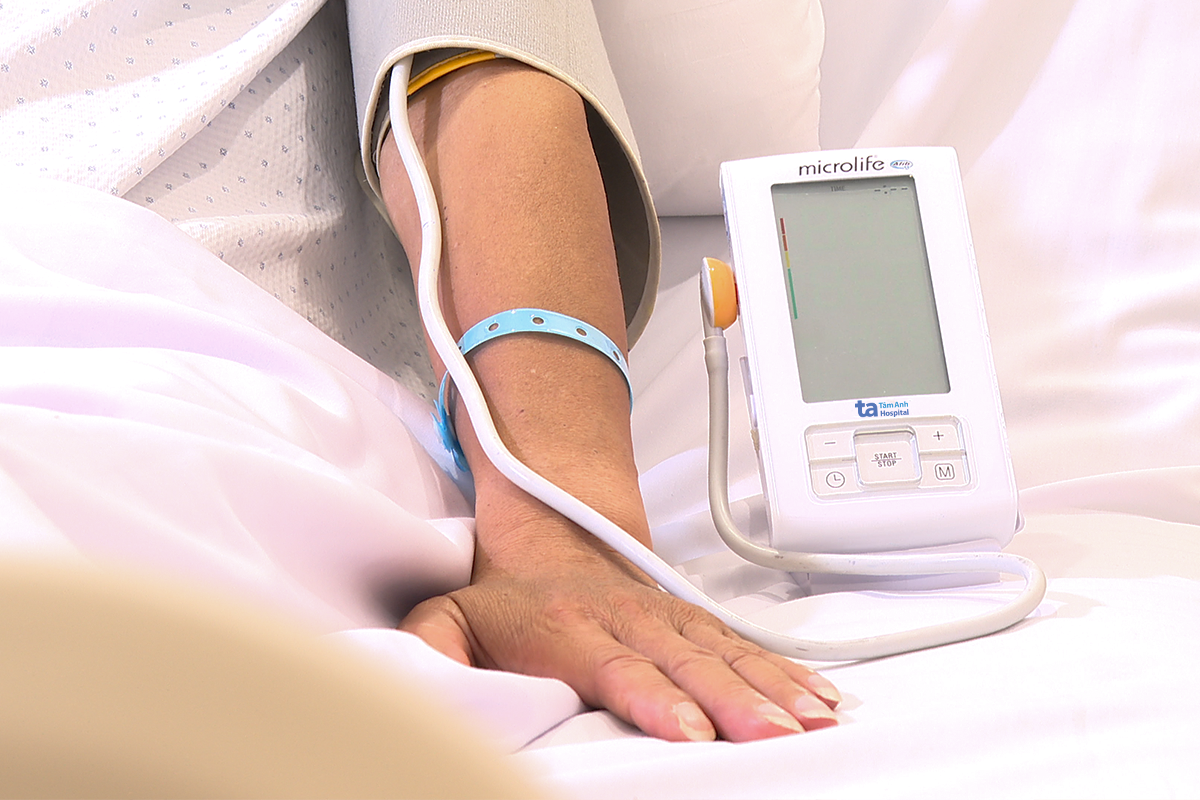 |
A patient monitors blood pressure using an arm cuff monitor. *Illustration: Tam Anh General Hospital*
However, age is only one factor. Over time, other elements like being overweight or obese, visceral fat accumulation, high salt intake, insufficient physical activity, excessive alcohol consumption, smoking, chronic stress, or inadequate sleep can also contribute to rising blood pressure.
Certain medical conditions, including chronic kidney disease, sleep apnea, and metabolic disorders, can also elevate blood pressure. Regular use of medications like non-steroidal anti-inflammatory drugs, some contraceptives, corticosteroids, decongestants containing vasoconstrictors, and certain stimulants also pose a risk.
Sustained high blood pressure stresses the heart and vessel walls, increasing the risk of damage to the heart, blood vessels, brain, and kidneys. This can lead to coronary artery disease, heart failure, myocardial infarction, stroke, and chronic kidney disease. If accurate, repeated blood pressure readings show 130/80 mmHg or higher—especially 140/90 mmHg or higher—it is advisable to monitor your blood pressure and consult a doctor for a precise evaluation.
Monitor your blood pressure at home using a validated arm cuff monitor. Before each reading, rest quietly for a few minutes and maintain the correct posture. Take repeated measurements at different times daily and consistently over several days. Recording these results helps your doctor distinguish between sustained hypertension and temporary fluctuations, guiding appropriate treatment.
Additionally, maintain a healthy weight, limit salt and processed foods, and increase intake of green vegetables and heart-healthy foods. Regular exercise, limited alcohol consumption, no smoking, adequate sleep, and stress management are also crucial. These lifestyle changes mitigate factors contributing to high blood pressure and lower the risk of cardiovascular complications.
Master, Doctor Nguyen Thi Hau
Cardiology Center
Tam Anh Cau Giay General Clinic
| Readers can submit questions about cardiovascular diseases here for a doctor's response. |