Eng English
China 中国人

Eng English
China 中国人
  • News
  • World
  • Business
  • Entertainment
  • Sports
  • Law
  • Education
  • Health
  • Lifestyle
  • Travel
  • Science
  • Digital
  • Automobiles
  • Trở lại Thể thao
  • Health
Sunday, 20/9/2026 | 08:11 GMT+7

6 respiratory issues that disrupt your sleep

Nasal congestion, sinusitis, allergic rhinitis, snoring, asthma, and sleep apnea can all interrupt sleep, leading to fatigue upon waking.

Snoring

According to Very Well Health, snoring occurs when airflow through the upper airway is obstructed, causing soft tissues in the throat to vibrate. This prolonged condition can disrupt sleep.

Individuals who snore often wake up with a dry mouth, sore throat, or fatigue, even after many hours of sleep. Snoring can also impact the sleep of those sharing a bed.

Nasal congestion

Nasal congestion is a common reason many people struggle to sleep. When nasal passages are blocked by a cold or sinusitis, airflow through the nose decreases, making breathing difficult. This often leads individuals to breathe through their mouths during sleep, which can cause a dry throat and frequent nighttime awakenings.

People with respiratory issues that cause coughing can affect sleep quality. Photo: Duong Anh

Allergic rhinitis

Allergic rhinitis frequently causes sneezing, a runny nose, and an itchy nose, particularly at night or in the early morning. These symptoms make it challenging for sufferers to fall asleep or lead to frequent awakenings. Exposure to triggers such as house dust, pet dander, or pollen in the bedroom can exacerbate nasal congestion and airway irritation.

Sleep apnea

Sleep apnea is a condition where the airway becomes temporarily blocked multiple times during sleep. This causes the individual to stop breathing for several to tens of seconds before resuming. Each such event triggers an arousal response from the brain to restore breathing.

Individuals with sleep apnea often do not recall waking, but their sleep is constantly fragmented. Common signs include loud snoring, gasping during sleep, daytime sleepiness, and headaches upon waking, according to the Times of India.

Asthma

For some, asthma symptoms become more pronounced at night. Airways can constrict significantly, leading to coughing, wheezing, or a feeling of chest tightness during sleep. These nocturnal coughs or breathing difficulties cause sufferers to wake, resulting in shallow sleep and fatigue the following morning. Effective asthma management can improve sleep quality.

Respiratory infections

Colds, flu, or other respiratory infections often present with coughing, nasal congestion, a sore throat, and increased secretions. These symptoms typically worsen when lying down, particularly prolonged nighttime coughing. Fever or body aches during the infection phase can also disrupt sleep.

To improve sleep, it is essential to identify and address the underlying causes of breathing difficulties or airway obstruction. Maintaining a clean bedroom and limiting exposure to dust, pet dander, and smoke can help reduce airway irritation.

For those experiencing frequent nasal congestion, rinsing the nose with saline solution as appropriate and maintaining a comfortable room humidity can be beneficial. Individuals who snore should maintain a healthy weight and, if suitable, prioritize sleeping on their side.

If you experience persistent loud snoring, episodes of paused breathing during sleep, frequent awakenings due to breathing difficulties, or excessive daytime sleepiness, consult a doctor for an evaluation of sleep-related breathing disorders.

Le Nguyen (Compiled)

Readers can submit questions about respiratory illnesses here for doctors to answer.
By VnExpress: https://vnexpress.net/6-van-de-ho-hap-khien-ban-ngu-khong-ngon-5122283.html
Tags: sleep apnea sleep respiratory

News in the same category

5 simple habits for a healthy gut and reduced constipation

5 simple habits for a healthy gut and reduced constipation

Prune juice or coffee can stimulate bowel movements; adequate fiber and water intake also help reduce constipation.

How to preserve muscle while losing weight on a low-calorie diet

How to preserve muscle while losing weight on a low-calorie diet

Increasing protein and healthy fats in meals, along with adequate rest and exercise, helps achieve weight loss with minimal muscle loss.

What happens when you don't eat enough protein after age 50?

What happens when you don't eat enough protein after age 50?

After age 50, prolonged protein deficiency can lead to muscle loss, reduced strength and mobility, and impaired recovery.

4 reasons why knees make noise

4 reasons why knees make noise

Clicking and cracking sounds in the knee can occur due to normal joint movement or issues related to the patella, cartilage, and surrounding knee structures.

5 essential nutrients for women during menopause

5 essential nutrients for women during menopause

Menopausal women should supplement with adequate fiber, protein, omega-3, calcium, and magnesium to support bone health, the nervous system, and weight management.

Is over-exercising at the gym harmful to kidneys?

Is over-exercising at the gym harmful to kidneys?

I recently increased my gym intensity to build muscle. After a workout, I experienced full-body soreness and dark urine. Are these signs of over-exercising and kidney damage? (Minh Duc, Hanoi)

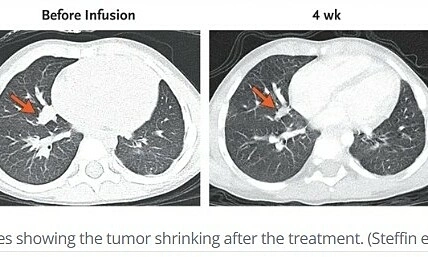
Three-year-old achieves remission from metastatic liver cancer after two immune cell infusions

Three-year-old achieves remission from metastatic liver cancer after two immune cell infusions

A three-year-old patient, battling a rare and chemotherapy-resistant form of liver cancer, is now symptom-free after participating in a clinical trial for a novel treatment.

The health benefits of vitamin B12

The health benefits of vitamin B12

Vitamin B12 plays a role in red blood cell formation, nerve system maintenance, nutrient metabolism, and supports many essential bodily functions.

Dietary mistakes leading to nutrient deficiencies in children

Dietary mistakes leading to nutrient deficiencies in children

A monotonous diet, insufficient vegetables and fruits, avoiding fats, and substituting milk for main meals can cause children to lack many essential nutrients.

Why blood pressure, once low, increases with age?

Why blood pressure, once low, increases with age?

My blood pressure, once around 90-100/60 mmHg, has recently risen to approximately 135/85 mmHg. Why does blood pressure tend to increase with age, and is this a cause for concern? (Thanh Ha, 58, Hung Yen)

Eng English
China 中国人
  • News
  • World
  • Business
  • Entertainment
  • Sports
  • Law
  • Education
  • Health
  • Lifestyle
  • Travel
  • Science
  • Digital
  • Automobiles
FPT Tower, 10 Pham Van Bach Street, Dich Vong Ward,
Cau Giay District, Hanoi, Vietnam
Email: contacts@vnportal.net
Tel: 028 7300 9999 - Ext 8556
Advertise with us: 090 293 9644
Register
© Copyright 2026 vnnow.net. All rights reserved.
Terms of use Privacy policy Cookies