Only feeding children favorite foods
According to Times of India, many children prefer only a few dishes and refuse new foods. If parents indulge these preferences for a long time, the child's menu can become monotonous. For example, a child who only eats meat, eggs, and rice but rarely eats fish will miss out on many nutrients from other food groups.
No single food provides all the nutrients children need. Therefore, parents should rotate and diversify their child's meal plan.
Meals lacking vegetables and fruits
Some children eat rice, meat, and eggs but consume few vegetables and fruits. This leads to a diet deficient in fiber, along with certain vitamins and minerals.
Fiber supports bowel movements; if children eat few vegetables, they are prone to constipation, especially if they drink little water and are inactive. Parents should add vegetables to main meals and fruits to snacks, varying preparation methods to make them more appealing to children.
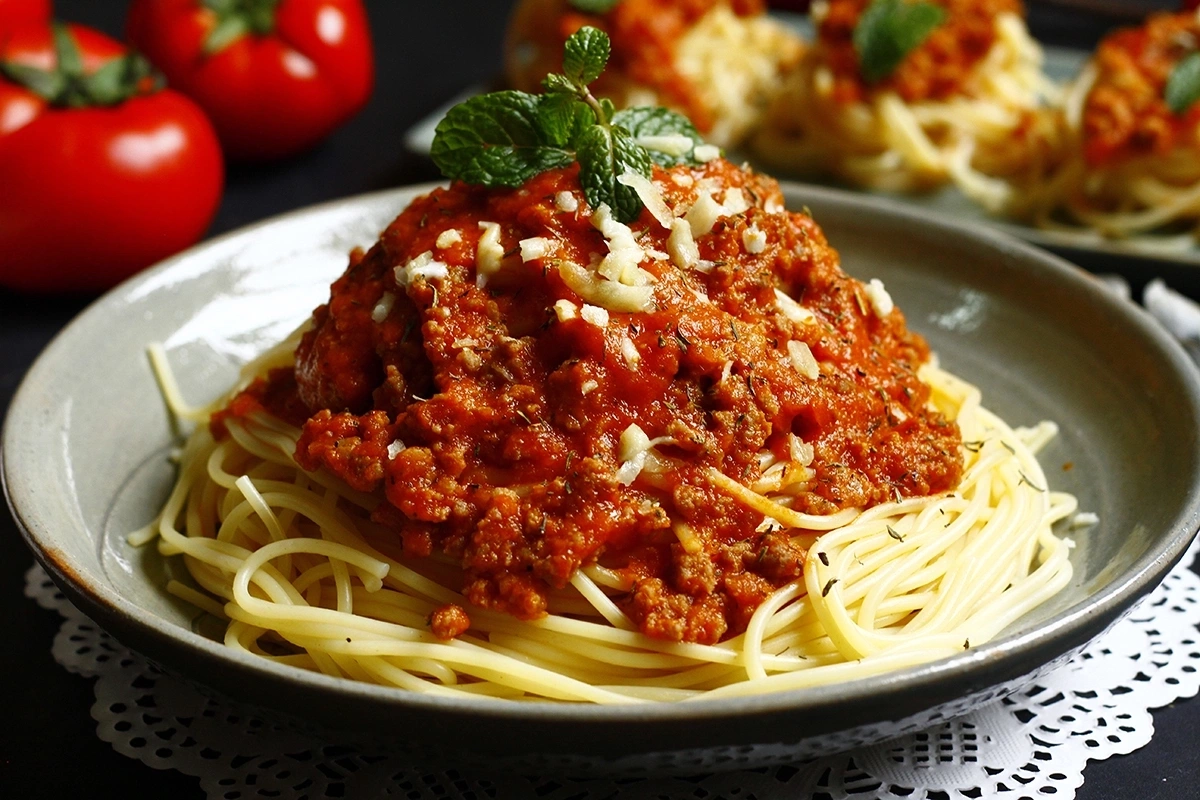 |
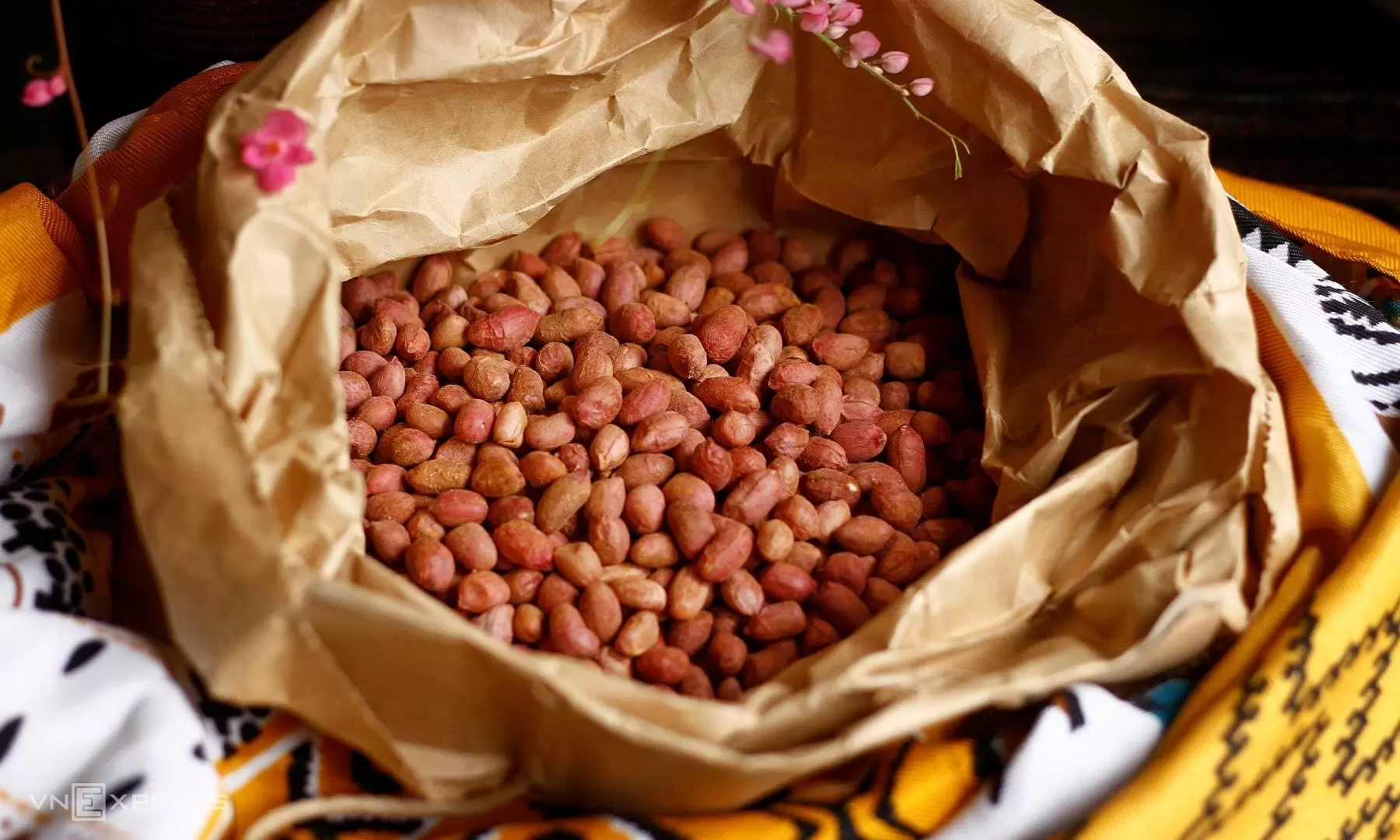
Children should consume sufficient nutrients for comprehensive development. Photo: Bui Thuy |
Children should consume sufficient nutrients for comprehensive development. Photo: Bui Thuy
Avoiding fats
Driven by the fear that oils and fats are harmful, some parents remove fats from their children's diets. This is a dietary mistake because fats provide energy and help the body absorb vitamins A, D, E, and K. Parents should offer children unsaturated fats like vegetable oils, fish, avocados, and nuts, while limiting fried foods and those high in saturated fats.
Substituting milk for meals
Milk provides protein, calcium, and some vitamins and minerals but cannot replace a diverse diet. If children drink a lot of milk but frequently skip main meals, their diet may lack fiber, iron, and many nutrients found in meat, fish, eggs, vegetables, fruits, and beans. Parents should also avoid letting children drink milk too close to main meals, as this can make them feel full and reduce their appetite.
Excessive snacking
Candies, soft drinks, and fast food often contain high amounts of sugar, salt, or energy but do not provide the full range of nutrients essential for a child's development. Continuous snacking can lead children to feel full before main meals and consume fewer nutrient-rich foods, according to Healthline.
Parents should limit snacks; yogurt, milk, or other nutrient-rich foods can be chosen based on the child's needs and age.
If a child shows signs of delayed growth, prolonged poor appetite, fatigue, or has an overly restrictive diet, parents should take them for a medical examination to assess their nutritional status. A doctor will determine if the child has nutrient deficiencies and how to supplement if necessary.
By Le Nguyen (Compiled)
| Readers can submit questions about children's illnesses here to receive answers from a doctor |