


 |
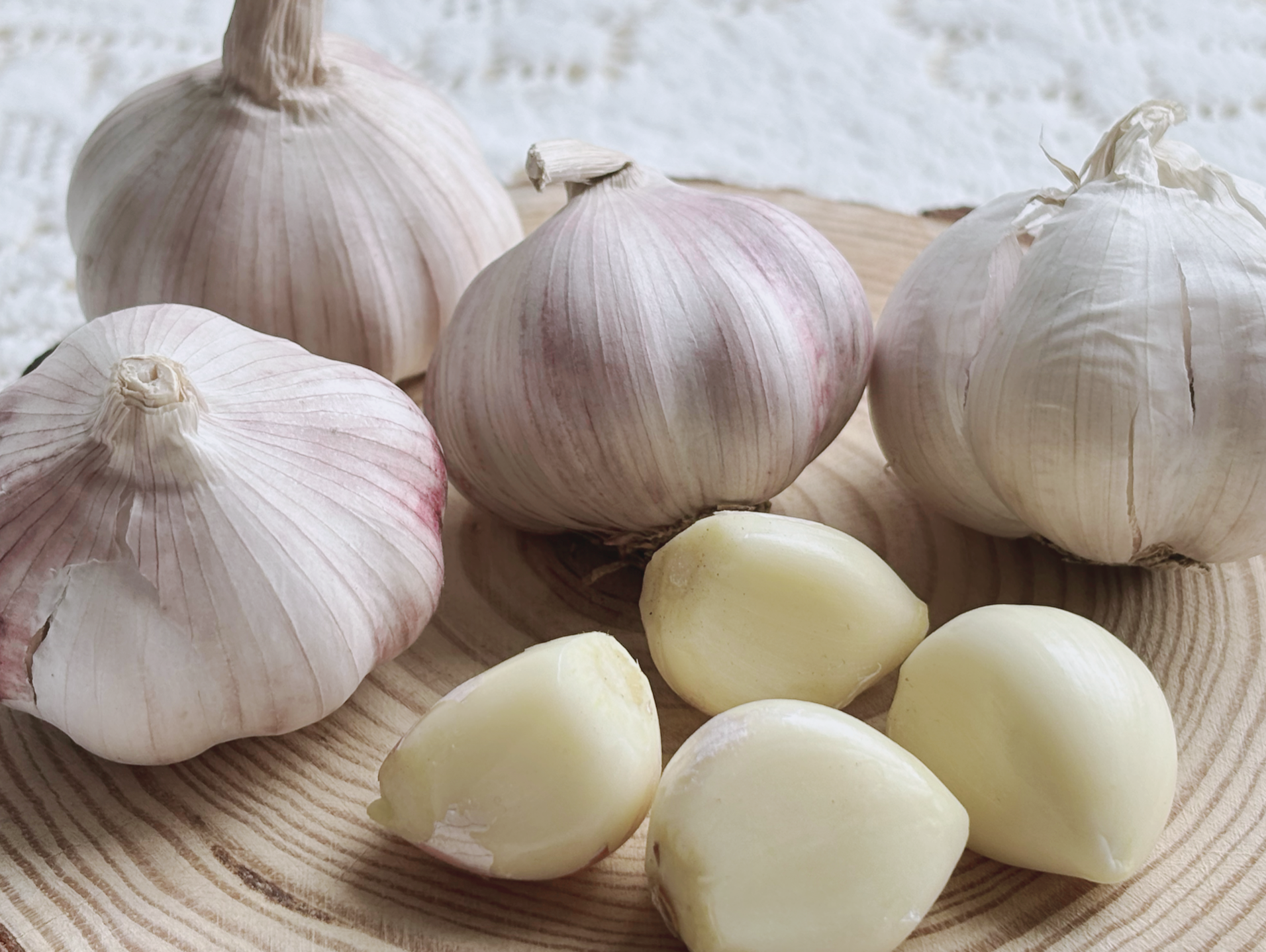
Garlic contains quercetin, which helps inhibit histamine release—a key component in many anti-allergic rhinitis medications. Garlic can be easily incorporated into dishes like braises, stir-fries, soups, stews, roasts, or eaten raw, all benefiting health.
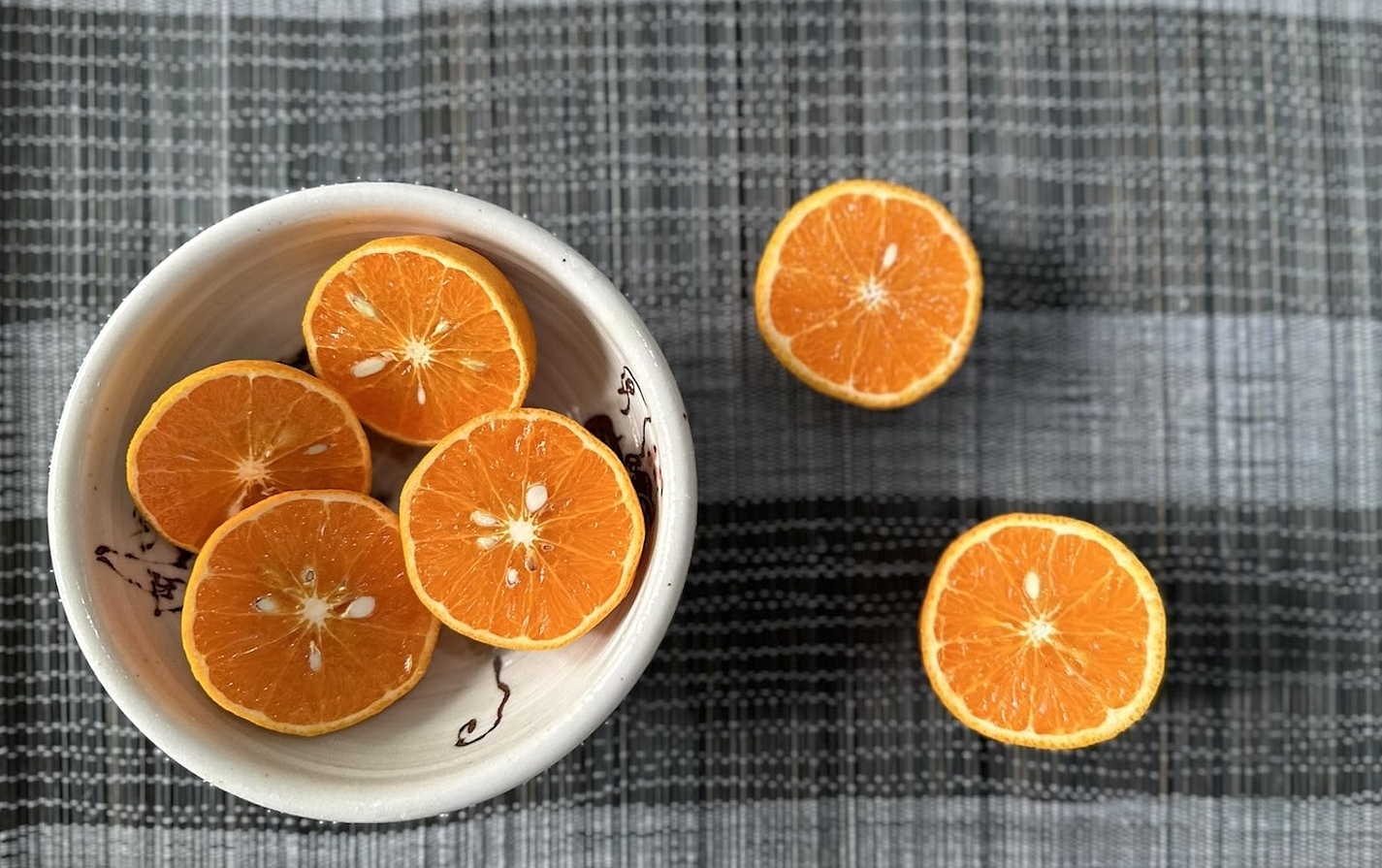 |
Citrus fruits are high in vitamin C, water, and antioxidants, which help prevent systemic inflammation, including in the nose and sinuses.
Regularly including citrus fruits such as: oranges, mandarins, grapefruits, and lemons in your diet can help reduce sniffles and sneezing. Individuals can consume them directly or as juice to increase hydration and support stable digestion.
 |
Fatty fish like: salmon, mackerel, and sardines are rich in omega-3, which effectively reduces inflammation. Meanwhile, white fish such as: pollock, cod, and perch provide high-quality protein with few calories, supporting overall health and weight management.
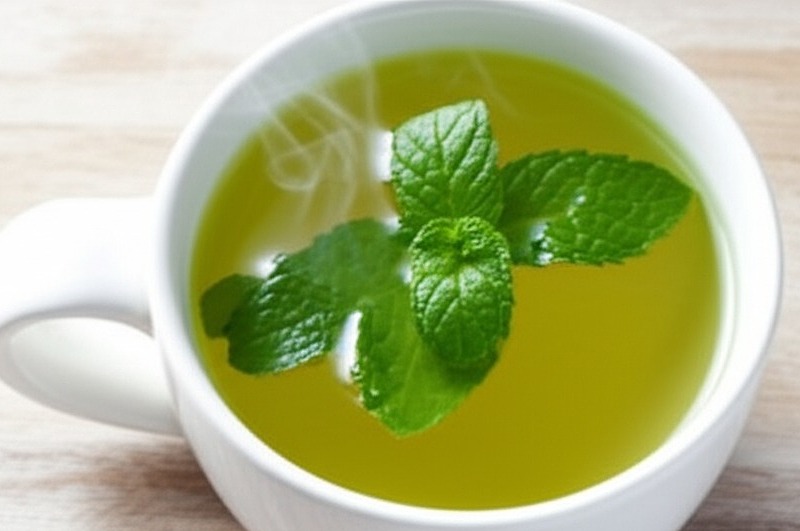 |
Herbal teas like: peppermint, chamomile, or cinnamon can help alleviate nasal congestion and sinus pressure. Peppermint contains menthol, which acts as a natural decongestant, while chamomile is rich in anti-inflammatory flavonoids. Adults can consume these teas daily for hydration and respiratory support.
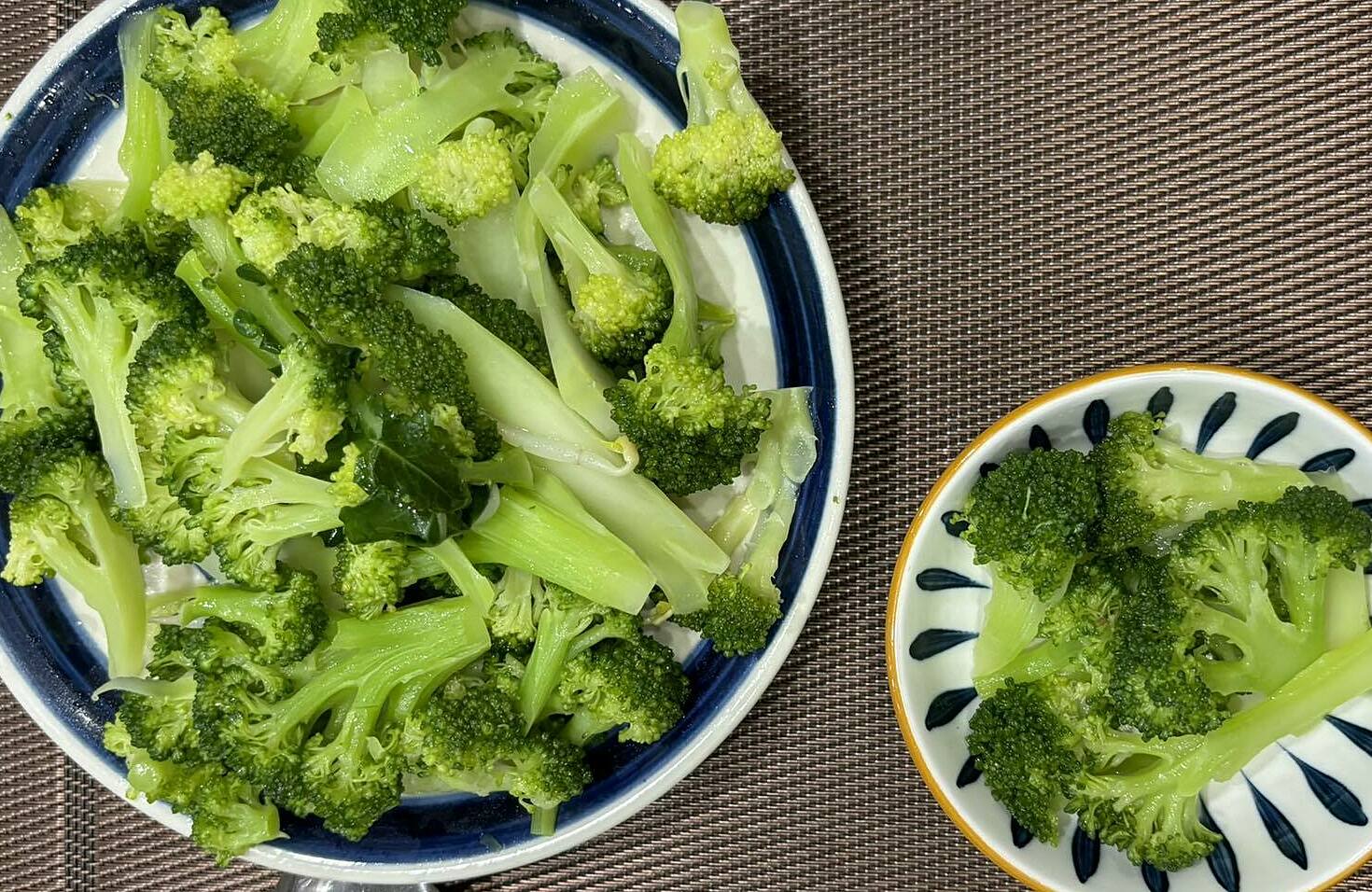 |
Broccoli stir-fried with bell peppers helps boost immunity and reduce the risk of illness during weather changes. When chewed or digested, broccoli releases sulforaphane—a compound that can help reduce inflammation. It can be prepared by boiling or stir-frying with shrimp or beef for added nutrition.
Anh Chi (According to Very Well Health)
Photos: Anh Chi, Bao Bao
Readers can ask questions about ear, nose, and throat conditions here for doctors to answer.


