On 22/6, Doctor Nguyen Van Trong, Head of the Urology and Andrology Department at Son La Provincial General Hospital, reported a rare case involving a migrated T-shaped intrauterine device. Part of the device was found in the abdominal cavity, while another part had penetrated the bladder. Doctors successfully performed endoscopic surgery through the urethra to fragment the stones and remove the foreign object.
Post-surgery, the patient was conscious and reported having had an intrauterine device inserted and removed at a local health clinic about five months prior. She therefore did not initially associate her symptoms with the device. She remains unsure why, despite its removal, the device was still in her body and had migrated to her bladder.
 |
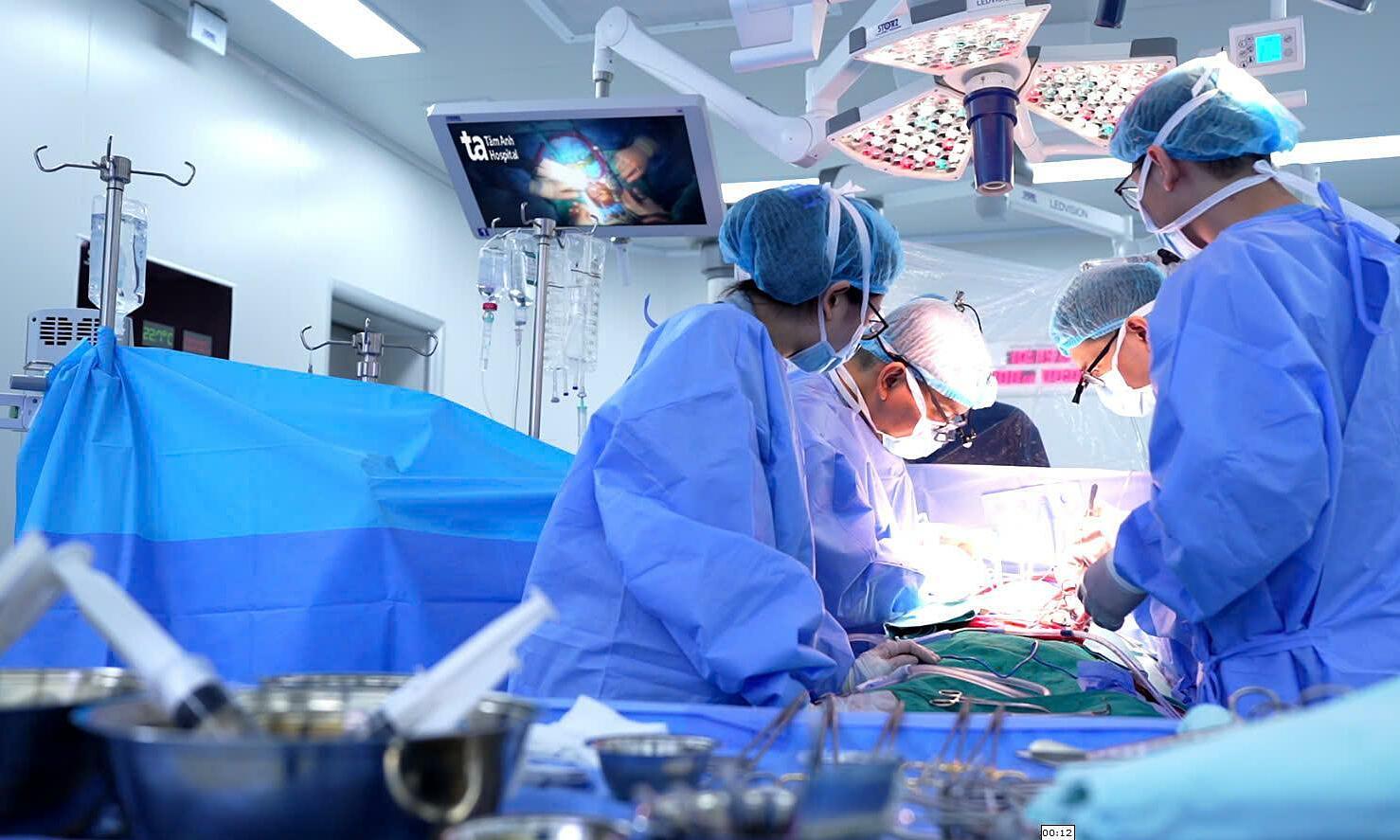
Doctors operate on the patient. Photo: Hospital provided |
An intrauterine device (IUD) is a small, T-shaped or arc-shaped device inserted into the uterus for long-term contraception. This method is popular due to its high effectiveness, low cost, and multi-year usability. However, in some cases, IUDs can lead to complications such as prolonged menstrual bleeding, lower back pain, displacement, bleeding, intestinal perforation, or peritonitis.
Doctors warn that a foreign object in the bladder, if left for an extended period, can lead to stone formation, urinary tract inflammation, and potentially dangerous abscesses or sepsis. Women who use an intrauterine device should adhere to their doctor's follow-up appointments. Should any unusual symptoms arise, such as persistent abdominal pain, painful urination, or blood in the urine, immediate consultation at a specialized medical facility is crucial.
Thuy An