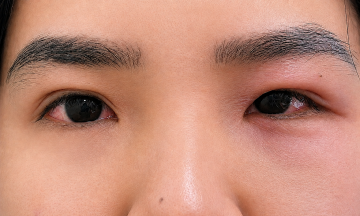
Pink eye, or conjunctivitis, is a common eye condition that often flares up during the rainy season. High humidity creates an ideal environment for viruses and bacteria to thrive. The disease can spread rapidly within families, schools, and workplaces if proper preventive measures are not taken.
Avoid rubbing eyes
Many people habitually rub their eyes when experiencing itchiness or discomfort. However, this action can transfer pathogens from hands to eyes, increasing irritation and exacerbating inflammation.
Wash hands frequently
Hands are a common vector for transferring viruses and bacteria from contaminated surfaces to the eyes. Washing hands thoroughly with soap and clean water before touching your eyes, inserting contact lenses, or applying eye drops significantly reduces the risk of infection.
 |
Frequent hand washing helps prevent the spread of bacteria and viruses. Photo: Thanh Hoa |
Do not share personal items
Face towels, handkerchiefs, pillows, eye makeup, and eye drops can all become sources of infection. Each person should use their own personal items to limit the risk of disease transmission within the family.
Keep eyes clean
After exposure to rain, smoke, dust, or polluted environments, it is advisable to wash your face and clean the eye area with fresh water. This practice helps remove dirt and irritants, thereby reducing the risk of inflammation.
Wear protective eyewear outdoors
Wearing eyeglasses or sunglasses can limit dust, allergens, and splashes from entering the eyes when outdoors. This is a simple yet effective measure to protect eyes from viral infections.
Limit contact lens use when eyes are uncomfortable
Contact lenses can trap dirt and bacteria, increasing the risk of infection if not cleaned properly. If your eyes are red, feel gritty, or are watery, you should temporarily stop using contact lenses and switch to glasses until your eyes have fully recovered.
Seek early eye examination, do not self-medicate
Pink eye can stem from viral, bacterial, or allergic causes, each requiring a different treatment approach. Self-medicating with eye drops, particularly those containing antibiotics or corticosteroids, can prolong the illness or lead to complications. Individuals should consult an ophthalmologist if they experience symptoms such as red eyes, itching, a gritty sensation, discharge, or blurred vision.
Disinfect frequently touched surfaces
The viruses causing pink eye can survive on various surfaces, including desks, doorknobs, phones, computer keyboards, and remote controls. Regularly cleaning and disinfecting these items helps reduce the risk of transmission to family members or colleagues.
Limit close contact with infected individuals
Viral or bacterial pink eye can spread through direct contact with eye secretions or contaminated objects. If someone in your family, school, or workplace is infected, it is advisable to limit sharing personal items, avoid touching your eyes after contact, and wash your hands thoroughly immediately afterward.
Bao Bao (Compiled)
| Readers can submit questions about ophthalmic diseases here for doctors to answer |