|
Doctor Hoang Quyet Tien from the Medical Information Center, Tam Anh General Hospital, TP HCM, states that changing weather can cause vasoconstriction, increased muscle stiffness, and reduced blood circulation around the joints, leading to heightened pain and stiffness. Alongside keeping warm and engaging in suitable exercise, a balanced diet can help reduce inflammation.
Green vegetables, such as sweet leaf, jute mallow, and cruciferous vegetables, are rich in vitamins C, K, folate, and antioxidants. These nutrients help reduce oxidative stress and provide essential micronutrients for bones, connective tissues, and joints.
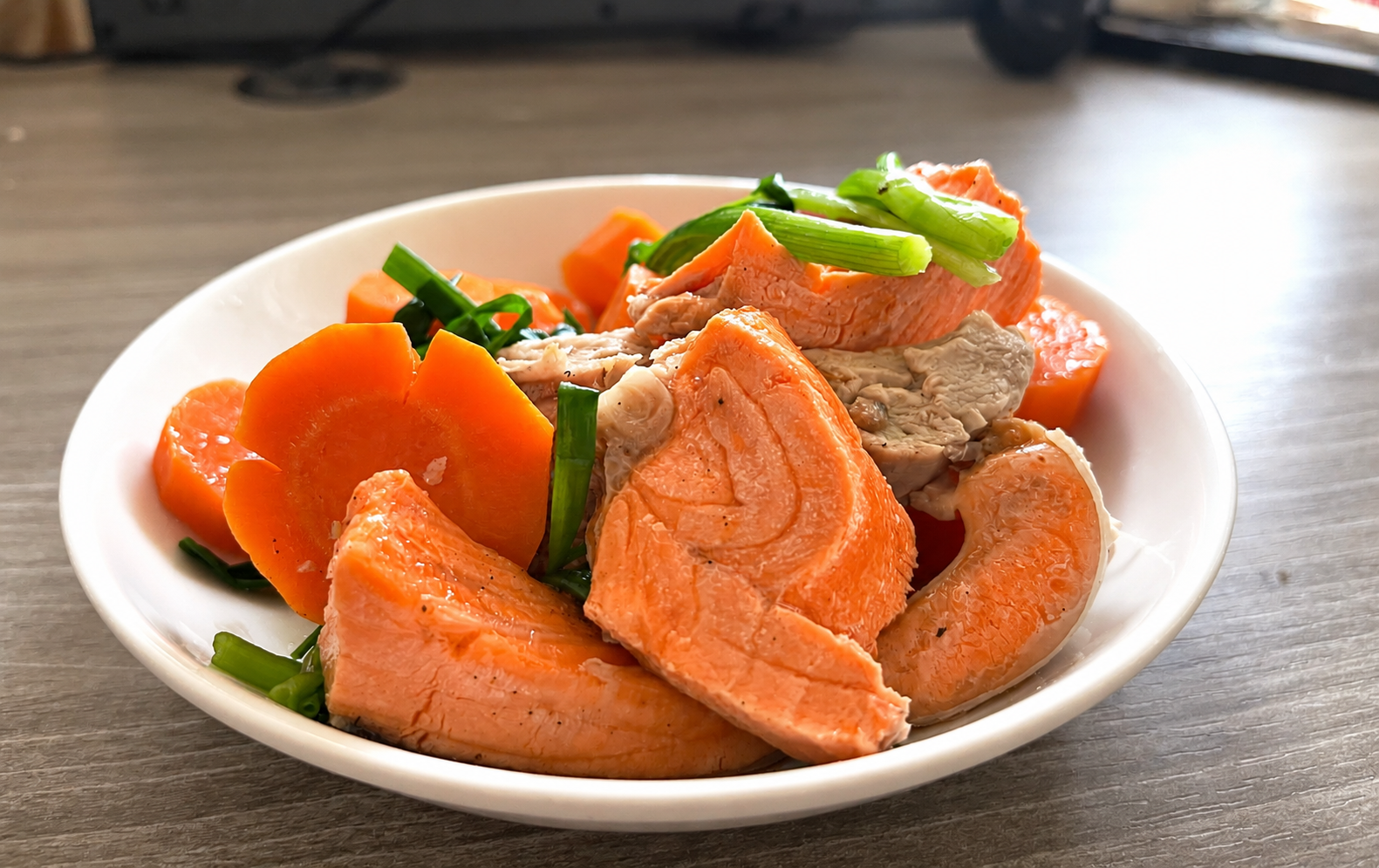 |
Fatty fish provide two important omega-3 fatty acids: EPA and DHA. These compounds can generate mediators that help regulate inflammatory responses in the body. Individuals with joint pain can consume fish two to three times per week, prioritizing steamed, pan-fried, or grilled methods over deep-frying.
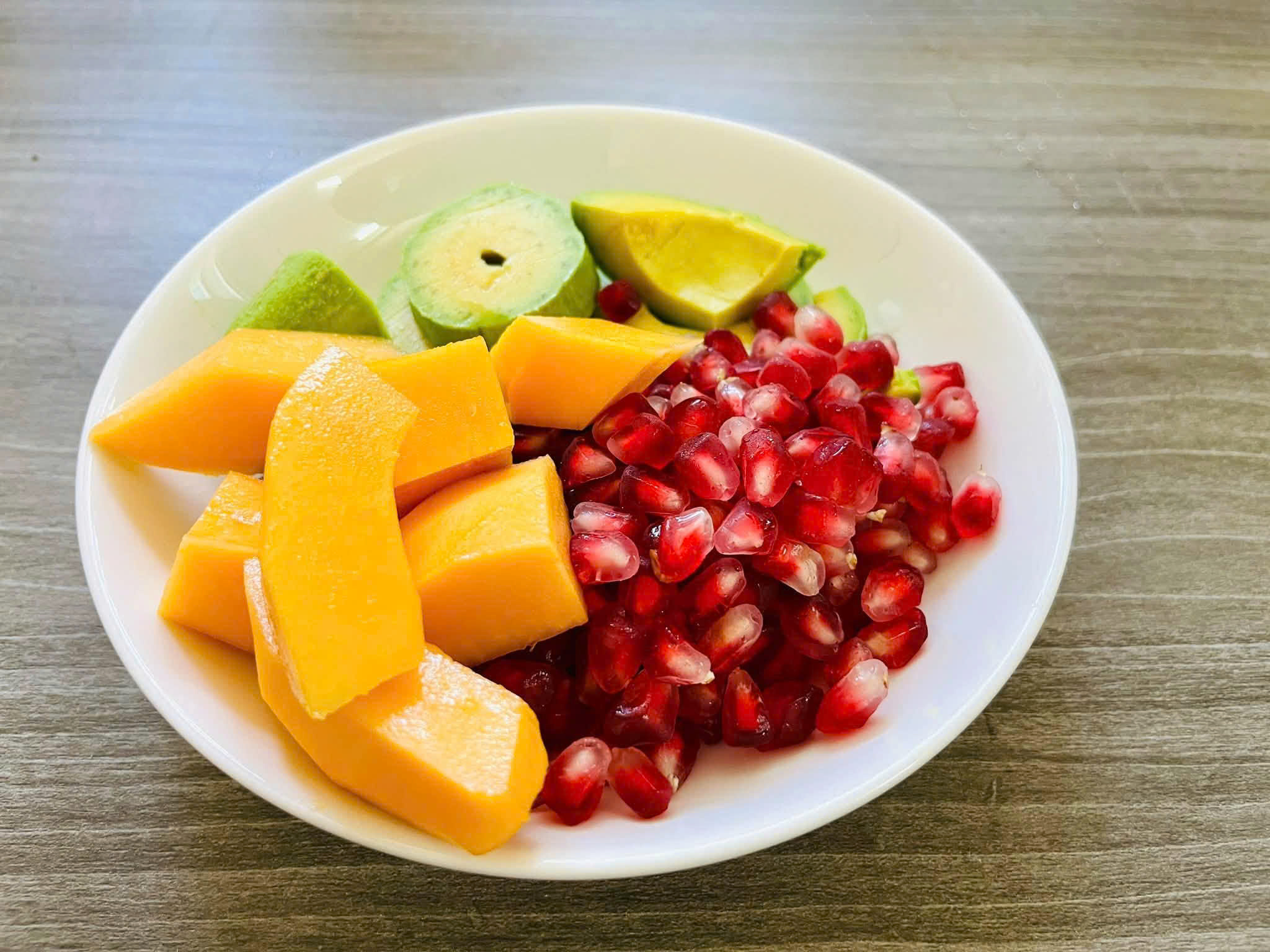 |
Fresh fruits like avocado, pomegranate, and papaya are rich in vitamins C, E, and polyphenols. These compounds have antioxidant properties, helping to protect cells from free radical damage. Vitamin C also plays a role in collagen synthesis, a crucial component of cartilage and connective tissues.
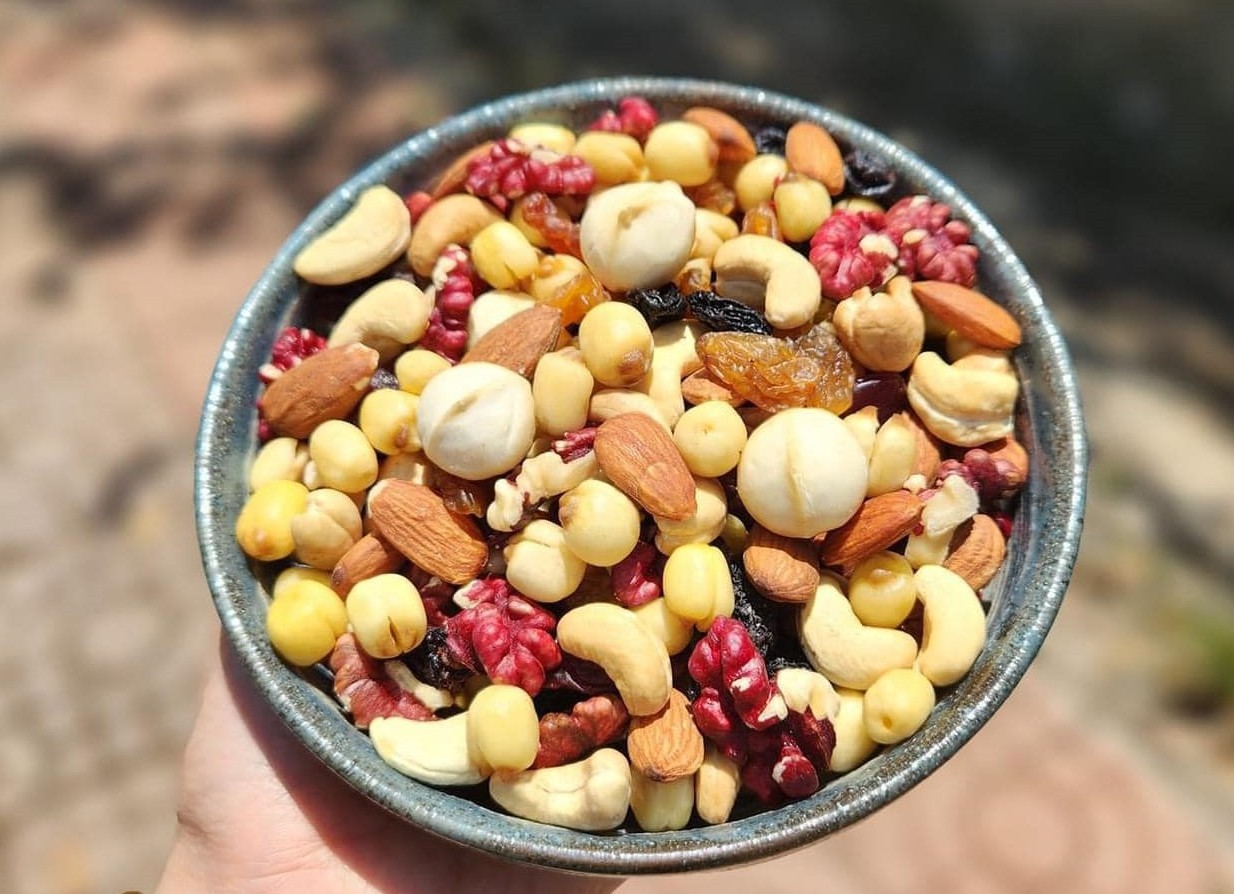 |
Various nuts, including walnuts, chia seeds, and flaxseeds, provide plant-based omega-3 (ALA). Almonds and many other nuts are rich in vitamin E, magnesium, and antioxidants. Vitamin E can help protect cells from oxidative stress, while magnesium is involved in numerous processes related to bone metabolism and muscle function.
It is advisable to consume nuts that are not coated in sugar, salt, or deep-fried; they can be added to salads, yogurt, or eaten as a snack.
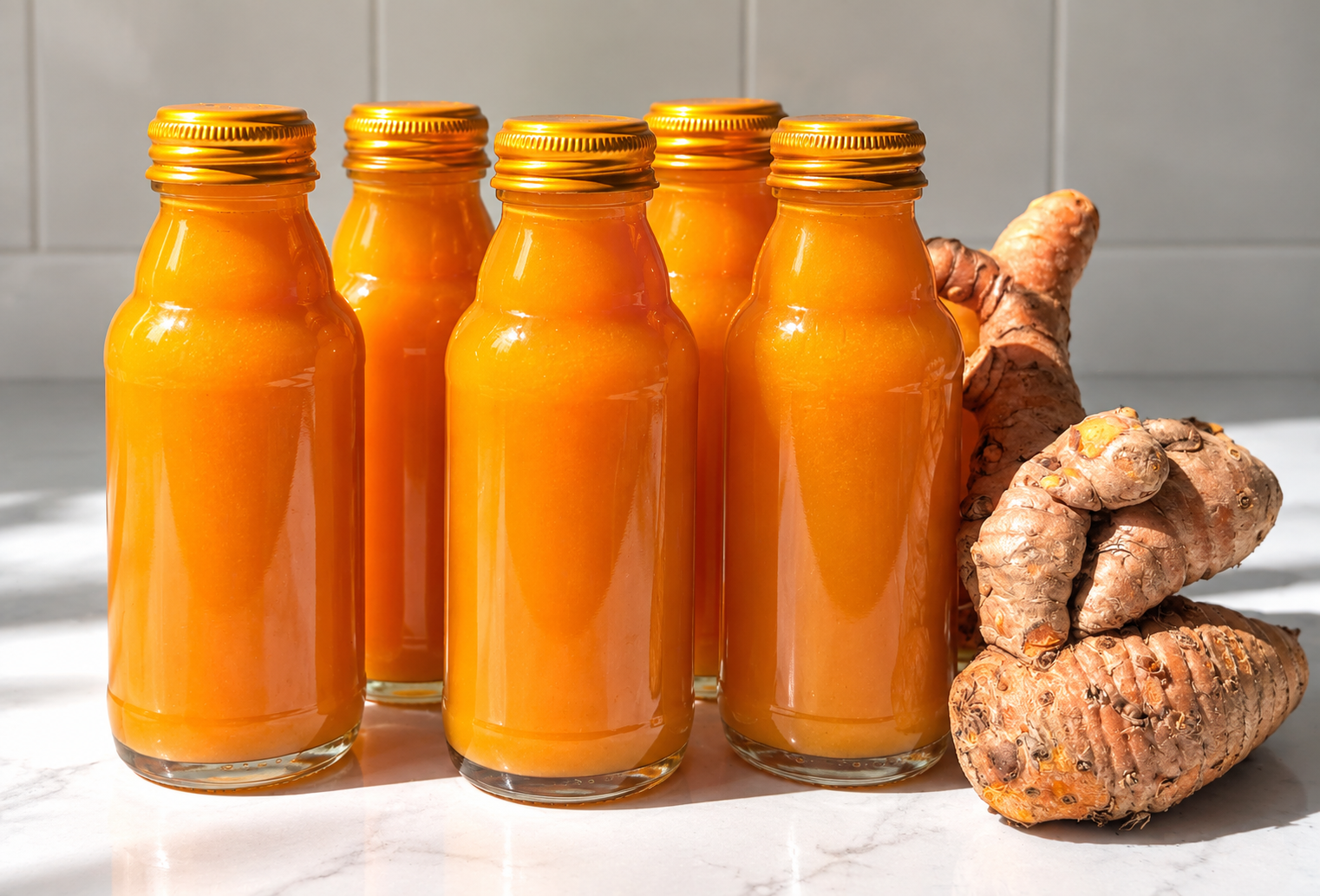 |
Turmeric contains curcumin, an active compound capable of regulating mechanisms related to inflammatory responses. Curcumin can also help reduce joint pain and improve function in individuals with joint issues, although it cannot replace prescribed medication.
According to Doctor Tien, patients with musculoskeletal conditions can supplement with nutrients such as undenatured type II collagen, collagen peptides, eggshell membrane, chondroitin sulfate, and turmeric extract to support cartilage and maintain joint flexibility.
By Dinh Dieu