Blood clotting is a natural response that helps the body stop bleeding after an injury. Normally, once a wound heals, the body naturally breaks down the clot. However, in certain situations, such as after surgery, during pregnancy, or with cardiovascular disease, blood clots can form abnormally within blood vessels or fail to dissolve correctly. These clots can then block blood vessels, hinder blood circulation, and travel to other organs, leading to dangerous complications.
According to Cleveland Clinic, blood clots commonly develop in deep veins of the legs, a condition known as deep vein thrombosis (DVT). Should a portion of a clot detach and travel to the lungs, it can result in a pulmonary embolism.
Respiratory specialists note that many cases initially present with only mild symptoms, causing patients to often overlook their seriousness.
Signs of blood clots in the legs
One common sign is swelling in one leg or arm. Patients may experience a dull ache, tightness, or calf cramps, even without strenuous activity.
Verywell Health states that the skin surrounding a clot can appear red, purple, or feel warmer than normal due to impaired blood flow. Some individuals also report a heavy sensation in their legs, easy fatigue, or increased pain with movement. These symptoms, however, are often confused with muscle aches, varicose veins, or general fatigue.
Signs of blood clots traveling to the lungs
Should a blood clot travel to the lungs, patients may experience sudden shortness of breath, even at rest or during light activities such as climbing stairs.
Experts warn that this condition can also involve chest pain, a rapid heartbeat, dizziness, sweating, or low blood oxygen levels. Some individuals may experience a persistent cough or cough up blood.
Doctor Sourabh Pahuja, a respiratory specialist at Amrita Hospital in India, explains that when a pulmonary artery becomes blocked, blood oxygen levels can rapidly decline. In severe instances, patients may experience respiratory failure within minutes. Pulmonary embolism requires immediate emergency care, as it can lead to lung damage, heart failure, or death if left untreated.
High-risk individuals
The risk of blood clot formation is higher in individuals who sit for extended periods, are inactive, obese, or smoke. Those who have recently had surgery, taken long-haul flights, are pregnant, use hormonal medication, or have a history of clotting disorders are also at elevated risk.
Moreover, individuals with cancer, cardiovascular disease, or a history of thrombosis should pay close attention to any unusual bodily signs.
Patients should seek emergency care immediately if they experience sudden shortness of breath, chest pain, coughing up blood, fainting, or unexplained swelling and pain in one leg. Doctor Pahuja warns that many individuals only recognize the severity once their lung function has already begun to deteriorate. Without early detection, this condition can, in some cases, lead to a stroke.
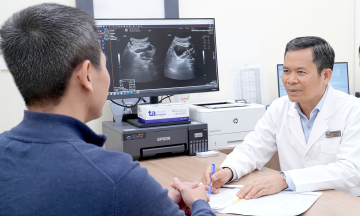
According to Times of India, early detection through blood tests, Doppler ultrasound, or CT scans can significantly enhance the chances of successful treatment.
Bao Bao (Compiled)