Ms. Phuc, 25, was diagnosed with gastrocnemius muscle hypertrophy by Master, Doctor Vu Thi Thuy Trang, a specialist in Dermatology and Aesthetic Dermatology at Tam Anh General Hospital, Ho Chi Minh City. This condition involves overly developed calf muscles, leading to large calves despite minimal fat accumulation. Beyond genetic predisposition, factors like extensive running, stair climbing, frequent high-heel use, or improper exercise can also contribute to excessive gastrocnemius muscle development. For such cases, conventional weight loss methods often yield no significant results.
 |
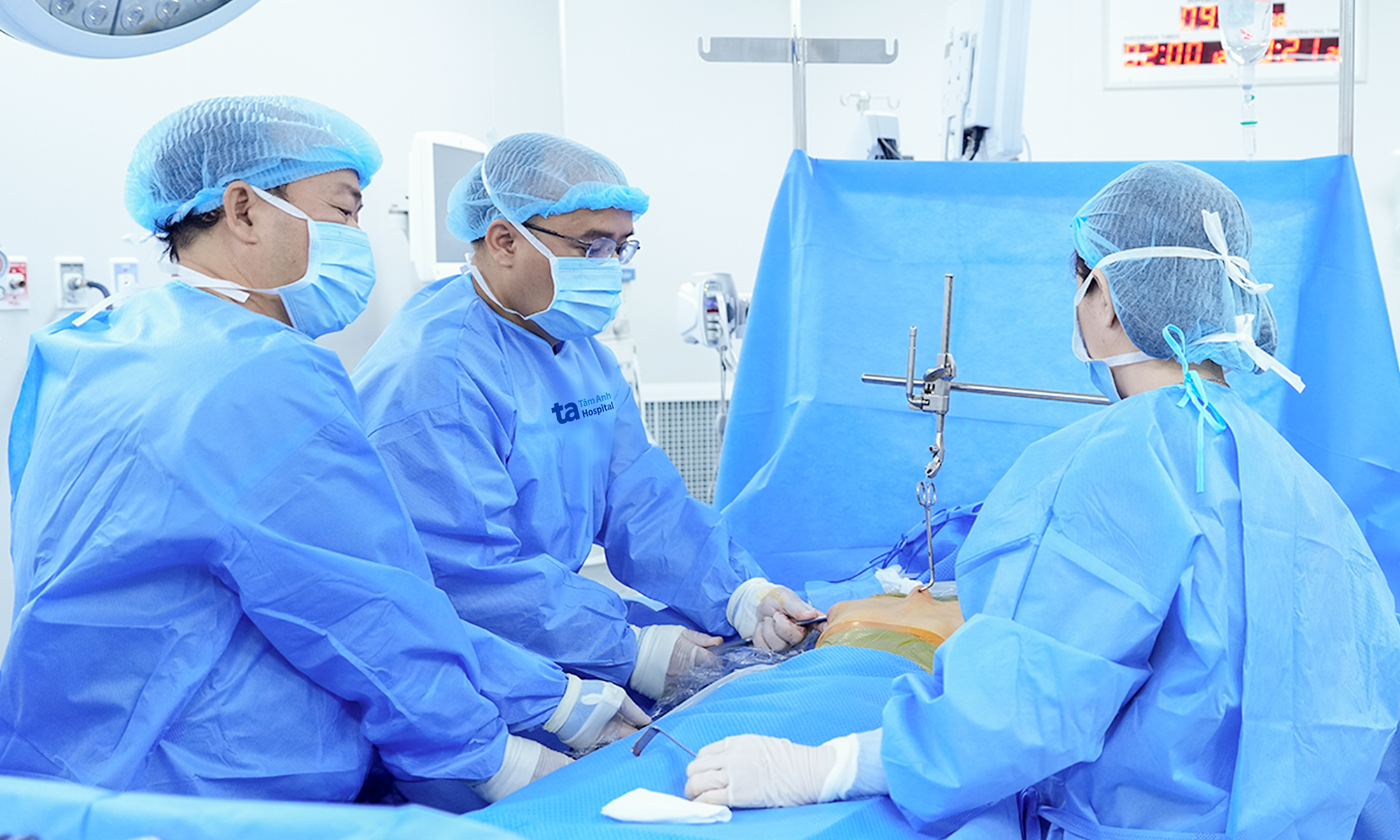
Doctor Trang injects botulinum toxin to slim Ms. Phuc's calves. Photo: Tam Anh General Hospital
Doctor Trang prescribed botox injections to help slim Ms. Phuc's calves. Botox works by reducing nerve signals to the muscles, decreasing muscle activity and causing them to gradually shrink over time. As muscle activity lessens, the muscle mass can diminish, resulting in more slender calves that are better proportioned to the overall physique.
This method is non-surgical, minimally invasive, and leaves no scars. The procedure typically lasts 15 to 30 minutes. After the injection, Ms. Phuc could resume normal activities without requiring extended recovery. 4 weeks post-treatment, her calf circumference decreased from 34 cm to 32 cm, making her legs appear more balanced with her overall body shape.
Initially after the injection, patients should limit high-intensity activities such as running, jumping rope, or heavy leg exercises to prevent excessive muscle activity. It is also important to avoid vigorous calf massage, saunas, or overly hot baths. Scheduled follow-up appointments are crucial for the doctor to monitor treatment response.
Doctor Trang emphasizes that not all cases of large calves are suitable for botox injections. Patients need to be assessed to determine if the cause is muscle, fat, or a combination of both before treatment. Botox is generally suitable for large calves caused by excessive muscle development. If the primary cause is fat or edema, the doctor may recommend other, more appropriate methods. Pregnant or breastfeeding women, as well as individuals with neuromuscular disorders, are not advised to undergo this procedure.
Therefore, individuals seeking calf improvement should visit a hospital for examination by Dermatology and Aesthetic Dermatology specialists to determine the most suitable treatment method.
Minh Huong
*Patient's name has been changed