Answer:
Seaweed, while rich in fiber, iodine, minerals, and antioxidant compounds, contains moderate to relatively high levels of purine in certain dried varieties such as brown seaweed, kelp, and wakame, compared to many common green vegetables. When consumed in large quantities or frequently, especially by individuals with high uric acid, seaweed can contribute to elevated blood uric acid levels.
Beyond purine, seaweed also has a high iodine content. Excessive consumption, particularly of dried or salty processed forms, can put gout patients at risk of thyroid dysfunction and increased water retention, indirectly affecting uric acid excretion via the kidneys.
You do not need to avoid seaweed entirely, but should consume it in moderation: about one to two times per week, with each serving being approximately 20-30 g of fresh seaweed or a small bowl of diluted seaweed soup. Soak and rinse thoroughly before preparation to reduce purine and salt content. Avoid dried seaweed dishes, those seasoned with excessive salt, or those eaten with large amounts of animal protein.
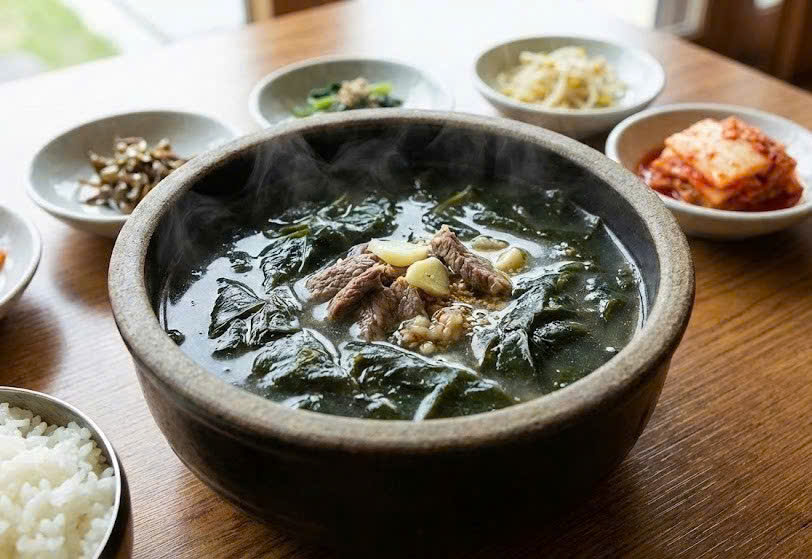 |
Individuals with elevated uric acid should consume 40-60 g of fresh seaweed weekly. *Trong Nghia*
High uric acid is a metabolic disorder of purine, leading to excessive uric acid production or inefficient kidney excretion. When blood uric acid levels remain elevated for extended periods, urate crystals can deposit in joints, causing pain, swelling, and inflammation, while also increasing the risk of kidney stones and kidney damage. Common factors contributing to high, hard-to-control uric acid levels include a purine-rich diet, alcohol consumption, being overweight, and a sedentary lifestyle.
During acute gout attacks or periods of elevated uric acid, patients should limit seaweed and other high-purine foods. Prioritize low-purine green vegetables, vitamin C-rich fruits, whole grains, and drink 2,5 liters of water daily to aid uric acid excretion. Supplements such as eggshell membrane extract, collagen type II, hydrolyzed collagen peptide, chondroitin sulfate, and turmeric extract can help reduce pain, inflammation, regenerate cartilage and subchondral bone, and contribute to preventing joint degeneration caused by gout.
You should regularly monitor your blood uric acid and kidney function, and consult with a nutritionist or musculoskeletal specialist to develop an appropriate diet. Combining dietary control, maintaining a healthy weight, limiting alcohol, and adhering to treatment helps reduce the frequency of gout flare-ups and prevents long-term complications.
Master of Science, Doctor Nguyen Anh Duy Tung
Department of Nutrition and Dietetics
Tam Anh General Clinic, District 7
| Readers can submit nutrition questions here for a doctor's response |