Answer:
Rabies virus typically spreads from infected warm-blooded mammals to humans through saliva, often via bites, scratches, or licking mucous membranes such as the mouth, eyes, or open wounds. The virus can survive one to two weeks at room temperature. At 4 degrees Celsius, it can persist for several weeks to 12 months. While global medical literature has not recorded human rabies cases transmitted from pathogens in water, this remains a risk factor to guard against.
Beyond providing separate food and water bowls for pets, individuals can receive pre-exposure rabies vaccination to build immunity. The schedule involves three doses on days 0, 7, and 21 or 28. If bitten or scratched by an animal after this vaccination, only two additional rabies vaccine doses are needed, avoiding the anti-rabies serum, even for severe wounds. This protects lives, saves time, and reduces costs.
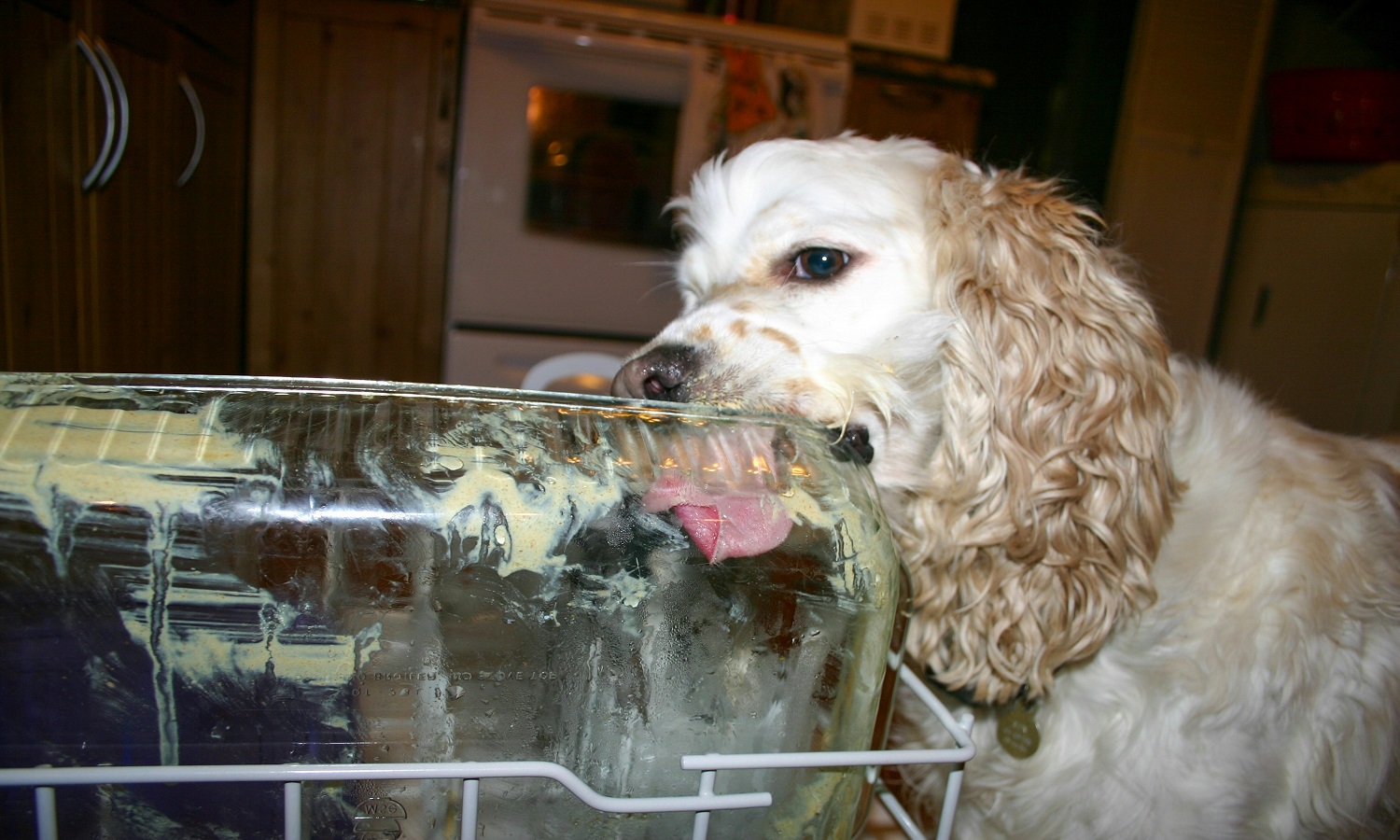 |
Dogs should not be allowed to drink water from or lick containers used for human food. *Illustration: Unsplash*
According to the World Health Organization (WHO), approximately 99% of human rabies cases originate from dogs. In Vietnam, dogs are also the primary cause, accounting for around 96-97% of rabies cases.
Vietnam records over 75 rabies fatalities annually. This number has increased in recent years, with 82 cases in 2023 and 89 in 2024. In the first nine months of 2025, 58 people have died across 18 provinces and cities.
There is currently no cure for rabies; once symptoms appear, it is almost 100% fatal for both humans and animals. If bitten or scratched by a dog or cat, immediately wash the wound with clean running water and soap for 15 minutes. Then, disinfect it with alcohol, iodine alcohol, or povidone solution to reduce viral load. Afterward, visit the nearest vaccination center for a doctor to assess the wound and advise on rabies vaccine, anti-rabies serum, and tetanus vaccine and serum.
For those with no prior vaccination or an unclear history, the post-exposure rabies vaccine schedule includes five doses on days 0, 3, 7, 14, and 28. Crucially, avoid applying traditional remedies (e.g., leaves), vigorous rubbing, or squeezing blood from the wound, as these can increase infection risk and virus entry.
Doctor Bui Cong Su
(Medical Manager, VNVC Vaccination System)
Readers can submit vaccine-related questions for a doctor's response here.