 |
Experts emphasize that no drink can replace plain water or cure kidney disease. To maintain healthy kidney function, in addition to drinking enough water, individuals need to control blood pressure and blood sugar, limit salt intake, and maintain a healthy weight.
Plain water remains the top choice for supporting kidney function. When the body is adequately hydrated, kidneys can filter waste and excrete it more effectively through urine.
Drinking enough water also helps dilute minerals in urine, thereby reducing the risk of kidney stone formation. Individual water needs vary depending on age, activity level, and weather. On hot days, the body typically requires more water to compensate for fluid loss through sweat.
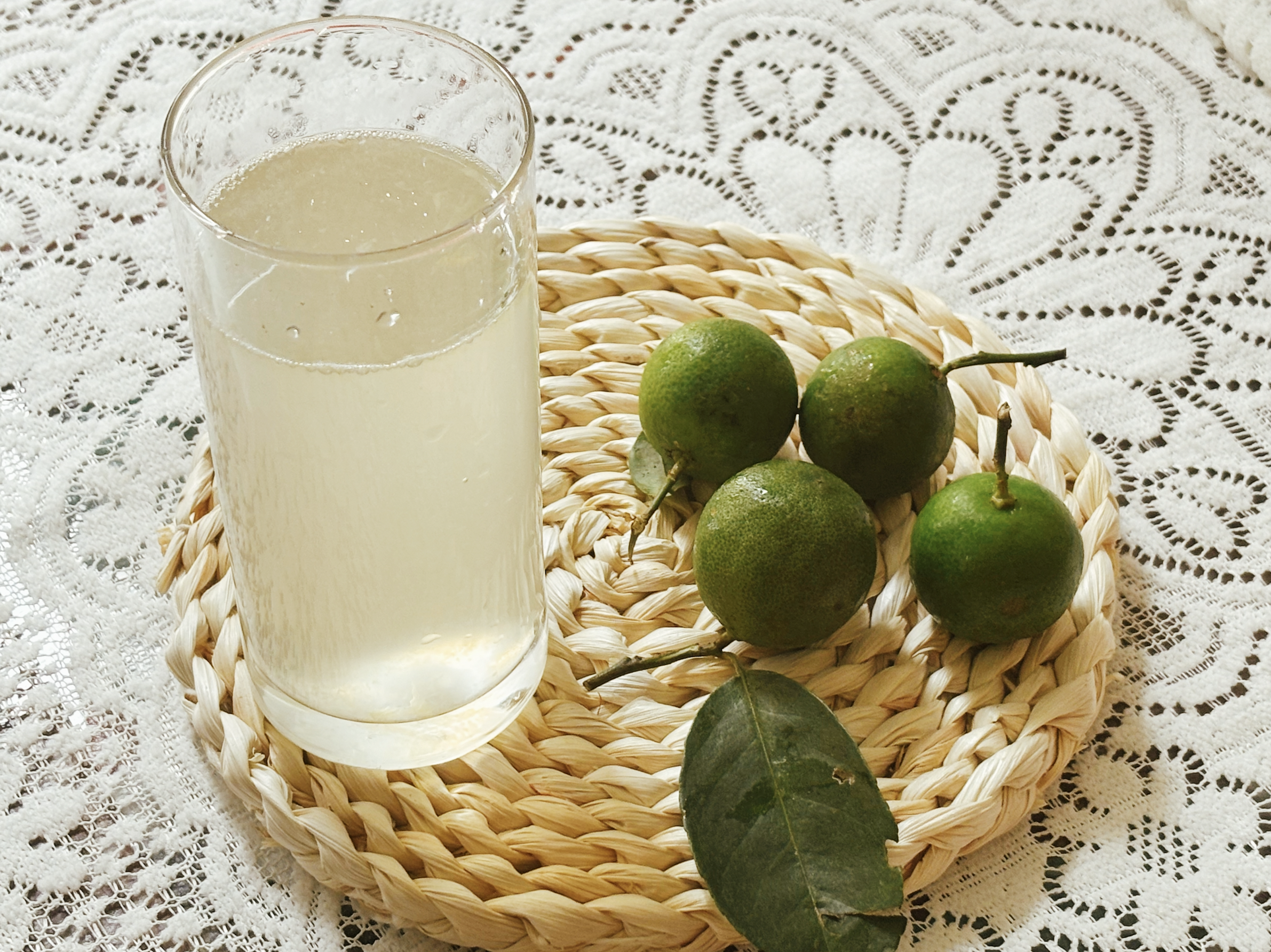 |
Lemon water not only quenches thirst on hot days but also provides citric acid, a compound that supports kidney health. Citric acid helps prevent calcium from combining with other minerals in urine, reducing the risk of crystal and stone formation.
Adding a few slices of lemon to daily drinking water is a simple way to increase the body's natural citrate levels. Diluted lemon juice is also a suitable option, provided no excessive sugar is added.
 |
Coconut water replenishes fluids and natural electrolytes like potassium, sodium, and magnesium. According to Healthline, this drink may reduce the risk of kidney stone formation due to its citrate content, which prevents mineral crystals from clumping and developing into stones.
However, coconut water contains a fair amount of potassium, so individuals with chronic kidney disease or those who need to limit potassium should consult a doctor before consuming it regularly.
 |
Watermelon juice is over 90% water, effectively rehydrating the body on hot days. This fruit also contains lycopene and antioxidants that help reduce inflammation and limit cell damage.
According to Timesofindia, watermelon also has a mild diuretic effect, helping increase urine output and flush excess salt from the body. To avoid consuming too much sugar, prioritize fresh watermelon or unsweetened juice.
 |
Green tea provides many polyphenols, especially epigallocatechin gallate (EGCG), a compound that helps reduce inflammation and oxidative stress—factors linked to kidney damage.
According to nutrition experts on Eatingwell, green tea also helps hydrate the body, supports waste removal, maintains electrolyte balance, and reduces the risk of kidney stone formation. However, green tea contains caffeine, so it should not be consumed in excess, especially in the evening or by individuals sensitive to stimulants.
Bao Bao (Compiled)
Photo: Bao Bao