The kidneys filter waste and excess water from the blood, while also regulating blood pressure, balancing minerals, and producing hormones. Chronic kidney disease often progresses silently, so maintaining beneficial habits and checking kidney function when necessary can help detect abnormalities early.
Control blood pressure and blood sugar effectively
High blood pressure and diabetes are two leading causes of chronic kidney disease. Prolonged high blood pressure can damage the small blood vessels in the kidneys, while persistently high blood sugar damages the organ's filtering units.
Individuals with diabetes and high blood pressure should manage their levels according to doctor's instructions, take prescribed medication correctly, and attend regular check-ups. Effective control of these two factors not only protects cardiovascular health but also helps reduce the risk of declining kidney function.
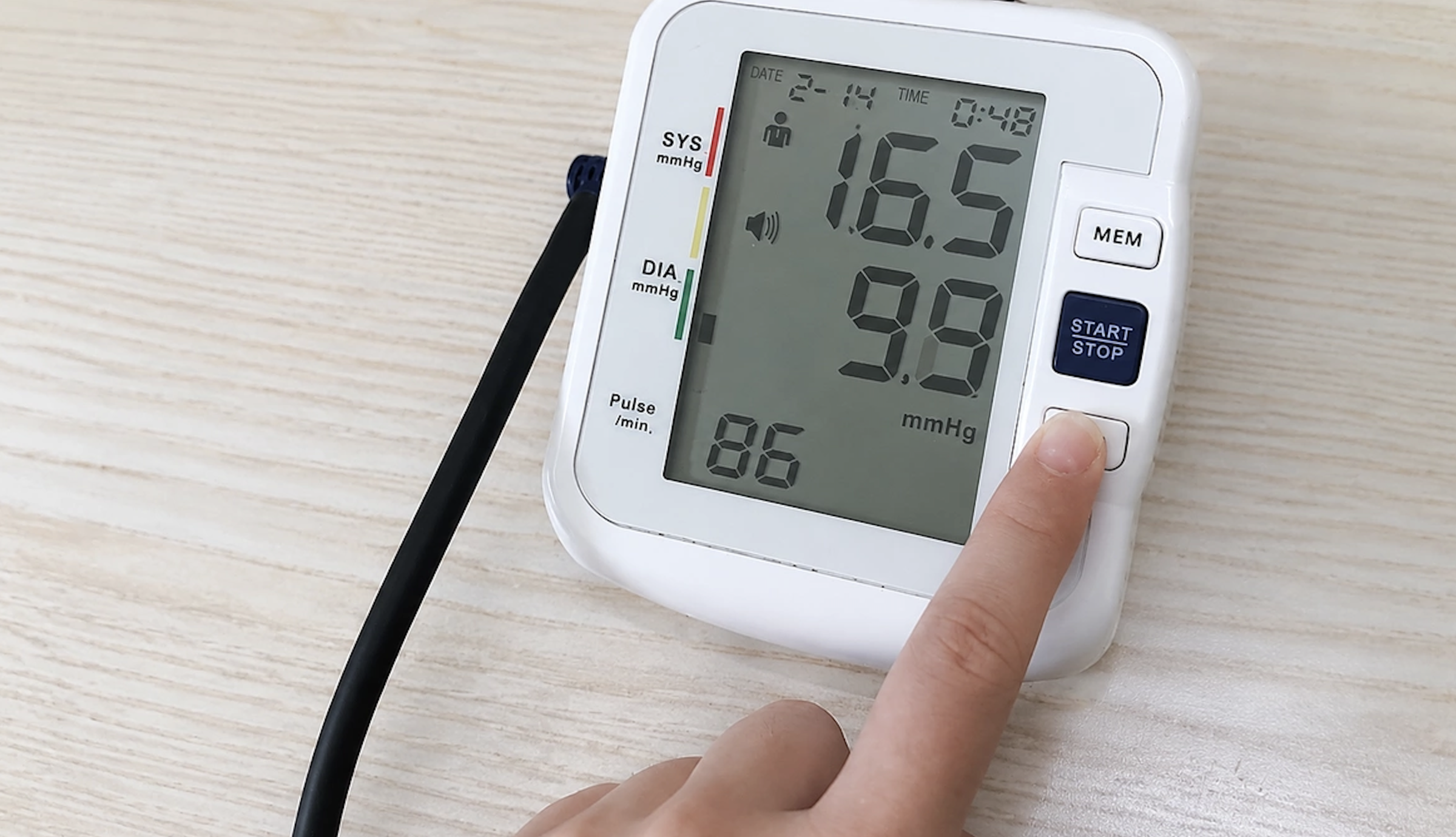 |
Prolonged high blood pressure can damage the small blood vessels in the kidneys. Illustration: Bao Bao |
Drink enough water, but avoid over-hydration
Water is essential for the kidneys to excrete waste and maintain fluid balance in the body. However, drinking more water does not necessarily mean it is better for the kidneys. Water needs vary with weather, activity levels, diet, and health status. Healthy individuals can consume 1.8-2 liters of water daily. A simple way to adjust water intake is by listening to thirst cues and observing urine color.
Dark yellow urine may indicate the body needs more water, while light yellow urine often suggests the body has adequate fluid. However, urine color can also change due to food, medication, or vitamins, so this factor should not be used for evaluation alone.
Doctors may advise individuals with chronic kidney disease, heart failure, or other medical conditions to limit fluid intake. Therefore, these individuals should not independently increase their water consumption with the aim of "detoxifying" or cleansing their kidneys.
Reduce salt intake and prioritize fresh foods
Excessive sodium intake can raise blood pressure, placing additional strain on the kidneys. Limiting salt and high-sodium foods is one way to help control blood pressure and protect kidney function.
You can reduce salt intake by limiting: processed foods, processed meats, instant noodles, fast food, sauces, and overly salty dishes. Instead, prioritize vegetables, fruits, whole grains, beans, fish, and minimally processed foods.
However, individuals already diagnosed with kidney disease should not independently adopt an overly strict diet. Nutritional needs for protein, potassium, phosphorus, and water can vary depending on the disease stage, so healthcare professionals should adjust the diet according to kidney function and their guidance.
Be cautious with painkillers
Some non-steroidal anti-inflammatory drugs (NSAIDs) can affect the kidneys, particularly when used in high doses, for prolonged periods, or in individuals with pre-existing kidney disease, dehydration, heart failure, or those taking certain other medications.
This does not mean that everyone must completely avoid these medications. It is important not to use them for extended periods or increase doses without professional consultation. Individuals with kidney disease or those in a risk group should consult a doctor or pharmacist before regular use of painkillers.
In addition to prescription medications, patients should also inform their doctor about any over-the-counter drugs, supplements, or herbal products they are using. Some products can affect kidney function or interact with medications.
Check kidney function if at risk
Early-stage chronic kidney disease often presents no clear symptoms. Only when kidney function significantly declines might patients experience swelling, fatigue, changes in urine output, or other manifestations.
Blood tests measuring creatinine and estimating glomerular filtration rate (eGFR), combined with urine tests for albumin, can help assess kidney function and damage. Not all healthy individuals require frequent kidney tests. However, those with diabetes, high blood pressure, cardiovascular disease, a family history of kidney disease, or a history of acute kidney injury should consult their doctor for appropriate screening.
Bao Bao (Compiled)