Loud, prolonged snoring in children, especially when accompanied by brief breathing pauses during sleep, morning fatigue, drowsiness, and difficulty concentrating, is a cause for concern and warrants a medical examination. While occasional snoring due to a cold, nasal congestion, or allergic rhinitis is typically not serious, these persistent symptoms may indicate a sleep-disordered breathing condition, most commonly obstructive sleep apnea.
The boy's symptoms, including snoring, apparent breathing pauses, daytime fatigue, and reduced concentration, align with research findings on obstructive sleep apnea in children. Studies indicate that children with this condition often exhibit symptoms such as drowsiness, morning headaches, dry mouth, difficulty focusing at school, or behavioral changes.
If left unaddressed, this condition can impair sleep quality, preventing children from feeling refreshed even with adequate sleep. Children may become tired, irritable, experience declining academic performance, and struggle with concentration, sometimes leading to misdiagnosis as laziness, hyperactivity, or behavioral disorders. Severe, untreated sleep apnea can also result in growth delays, nocturnal enuresis, hypertension, or adverse cardiopulmonary effects.
During sleep, the upper airway narrows due to the relaxation of pharyngeal muscles, enlarged tonsils or adenoids, allergic rhinitis, structural abnormalities of the nose, obesity, or craniofacial anomalies. This narrowing impedes airflow, causing snoring. If the airway becomes significantly restricted, a child may experience brief breathing pauses, labored breathing, startling awake, frequent repositioning, or mouth breathing during sleep.
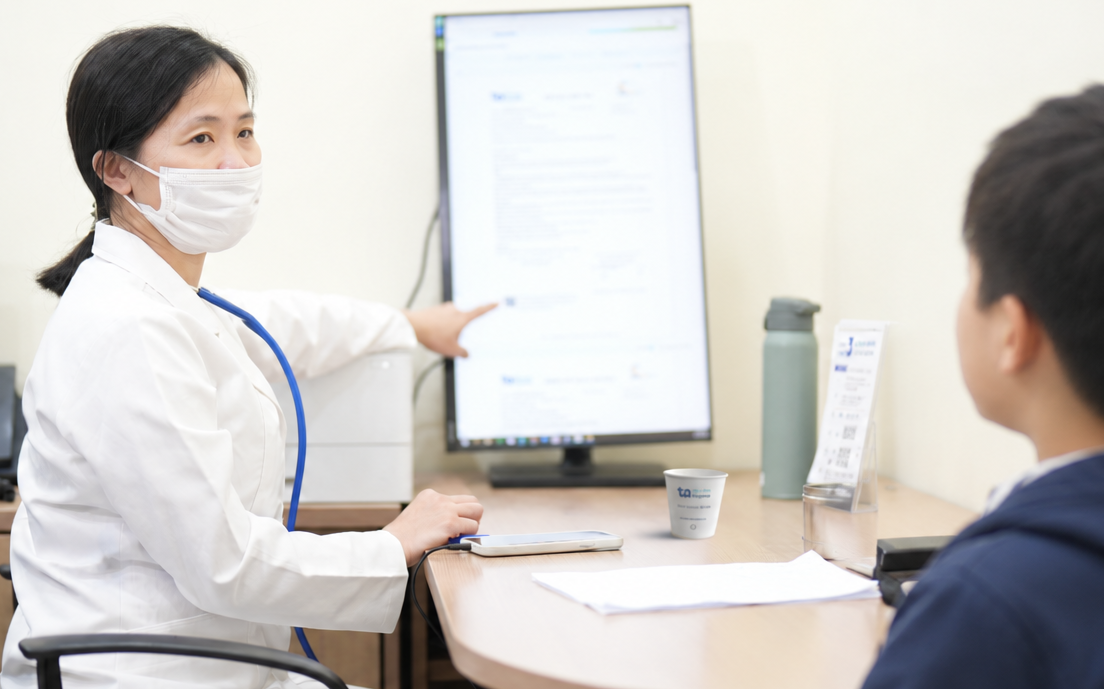 |
A pediatrician consults a patient. Photo: Tam Anh General Hospital. |
Parents should monitor the frequency of their child's snoring. If a child snores almost every night, snores loudly, breathes through their mouth, sleeps restlessly, sweats during sleep, experiences breathing pauses, has bluish lips, wheezes, suffers from morning headaches, feels drowsy during the day, shows academic decline, or exhibits personality changes, a consultation with a respiratory specialist is advisable. Recording a short video of the child snoring, pausing breathing, or breathing laboriously can assist the doctor in making a diagnosis.
During the examination, the doctor will inquire about the child's medical history, duration of snoring, sleep position, presence of nasal congestion, allergic rhinitis, asthma, weight, and daytime activities. The child may undergo a nose and throat examination, evaluation of tonsils and adenoids, lung auscultation, blood oxygen measurement, and respiratory function tests if asthma or other respiratory conditions are suspected. In some instances, nasopharyngeal endoscopy or polysomnography (sleep study) may be necessary to confirm sleep apnea.
Treatment options vary depending on the cause of the snoring. If allergic rhinitis or chronic nasal congestion is the culprit, the doctor may recommend nasal hygiene, allergy management, avoiding smoke, dust, and pet dander, and adjusting the sleep environment. Children with significantly enlarged tonsils or adenoids causing obstruction may require surgery. Overweight or obese children need safe weight management, increased physical activity, and dietary adjustments. In severe cases of sleep apnea, or if symptoms persist after addressing the underlying cause, respiratory support during sleep may be prescribed.
While awaiting a medical examination, families should avoid self-medicating with sleeping pills, sedatives, or drowsy antihistamines to "help the child sleep peacefully," as these can worsen airway obstruction. Families should ensure the bedroom is well-ventilated, free from smoke, practice nasal hygiene when the child has congestion, maintain a consistent bedtime, and closely monitor for breathing pauses.
Master, Doctor Hoang Minh Tien
Pediatric Unit
Tam Anh Cau Giay General Clinic
| Readers can submit questions about respiratory illnesses here for a doctor's response. |