Doctor Duong Anh Dung, a specialist in Pediatrics at Tam Anh General Hospital District 8, states that diarrhea is a common symptom in children with enteritis. When afflicted, children may experience yellowish-green stools, sometimes mixed with mucus or blood, accompanied by vomiting, abdominal pain, fever, fatigue, and loss of appetite. Without timely intervention, children can develop hypoglycemia, which may manifest as lethargy, sweating, convulsions, confusion, or coma. The condition can be caused by viruses, bacteria, or parasites.
Doctor Dung provides guidance on proper home care for children with diarrhea.
Rehydration and electrolyte replenishment
Diarrhea causes the body to lose water and electrolytes. Dehydration in young children can progress rapidly. Therefore, rehydration is a priority in care. Parents can give children oresol (oral rehydration solution) as directed. Incorrect preparation can alter the concentration of sugar and electrolytes, affecting rehydration effectiveness.
If the child feels nauseous or vomits immediately after drinking, parents can give small sips or spoonfuls repeatedly. After vomiting, allow a short break, then continue giving fluids more slowly.
Plain water can supplement, but not completely replace, oresol. Children should not drink sodas, carbonated drinks, or fruit juices, as their high sugar content can worsen diarrhea.
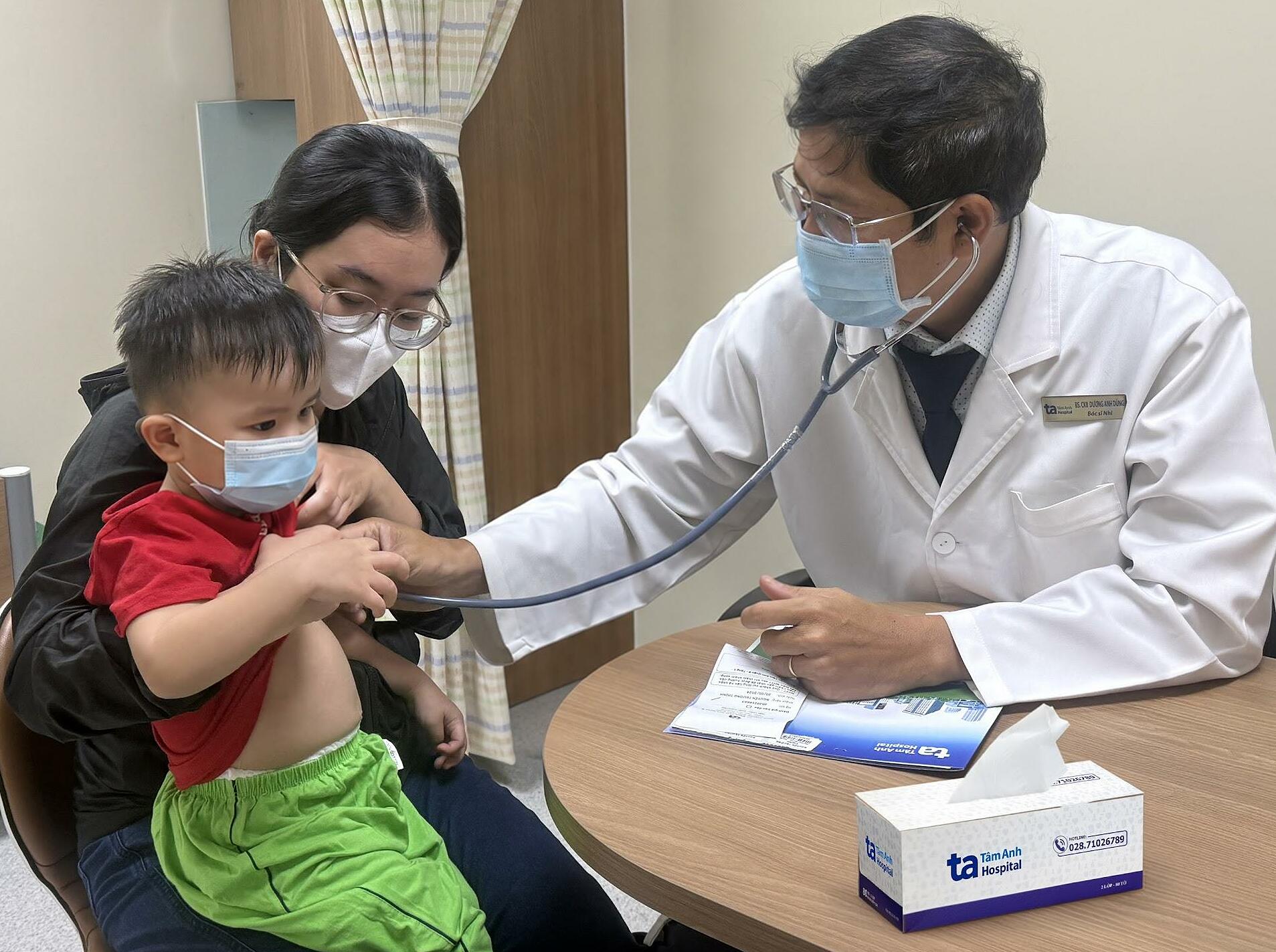 |
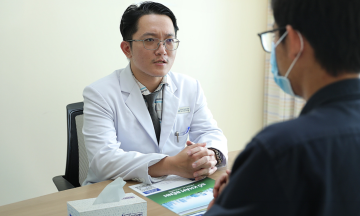
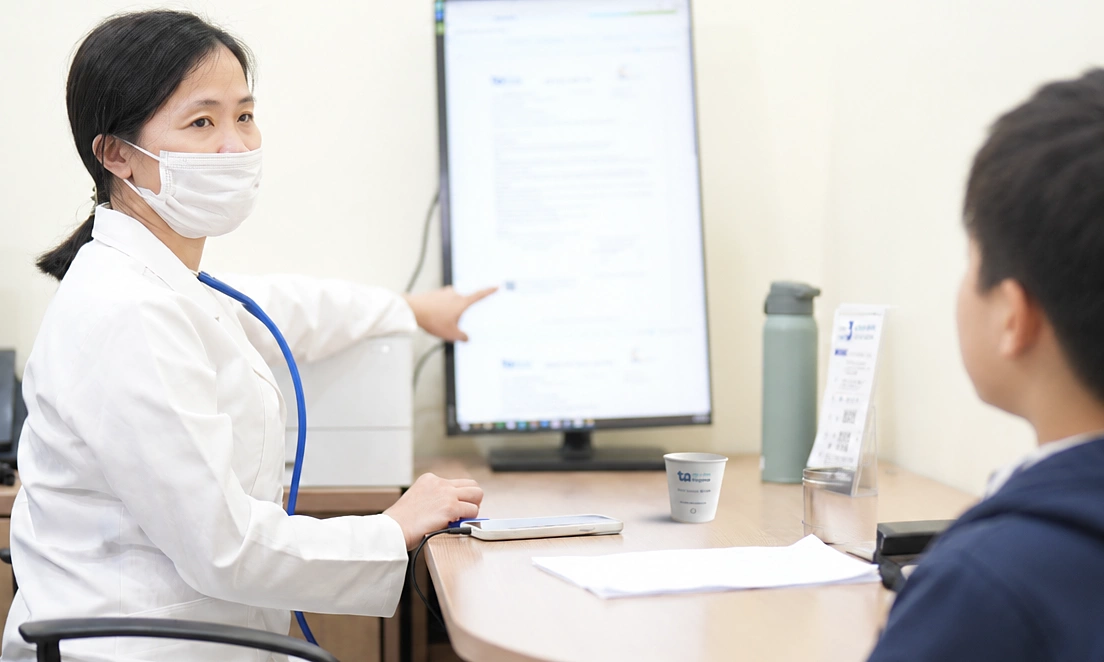
Doctor Dung examines a child with diarrhea at Tam Anh General Hospital District 8. *Photo: Phuong Dang*.
Do not withhold food from children
A common mistake is for parents to make children fast or eat very little, fearing that eating will increase bowel movements. According to Doctor Dung, children still need energy and nutrients during illness to maintain their physical condition and restore intestinal lining.
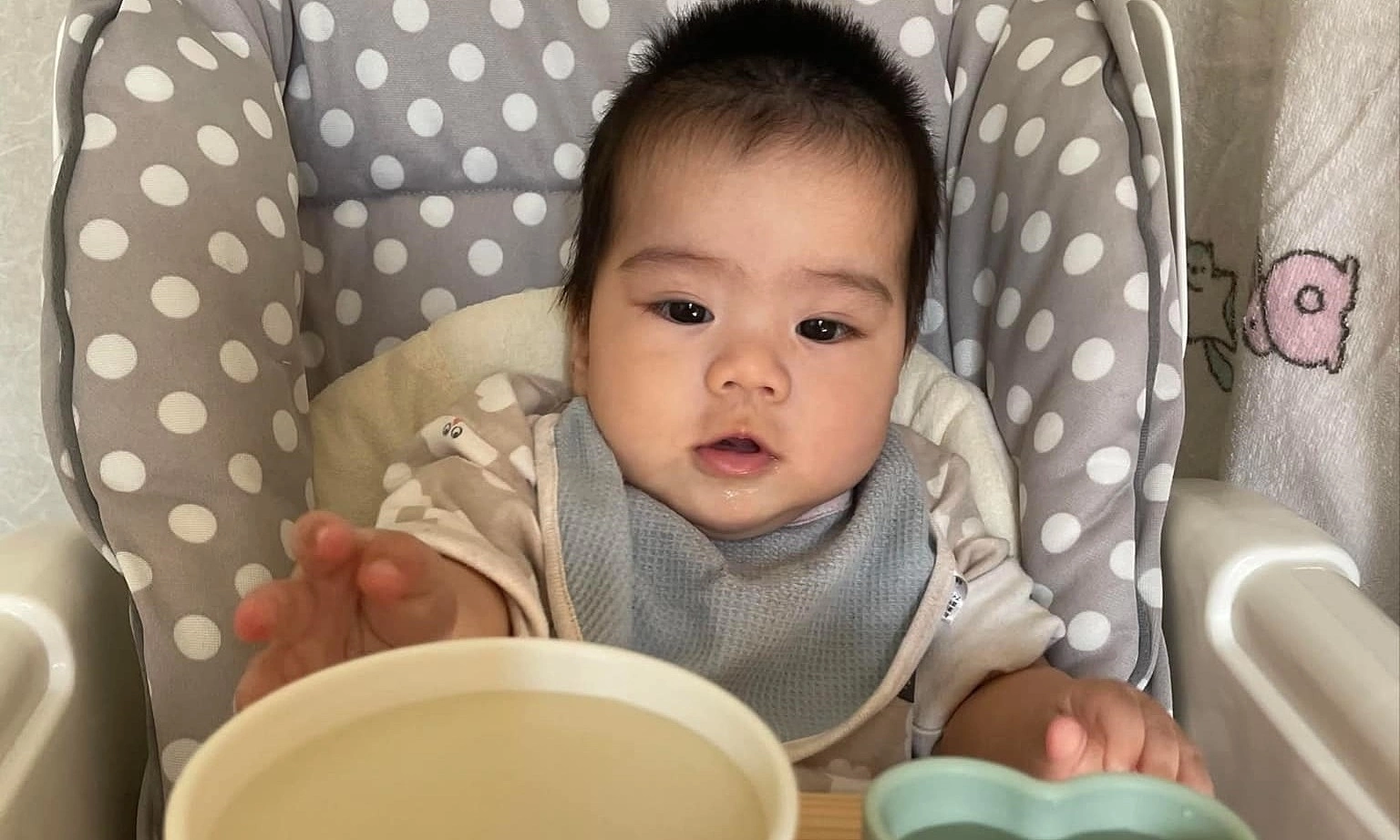
Breastfed children should continue to nurse more frequently. For children who have started solids or older children, parents should divide meals into smaller, more frequent servings, choosing age-appropriate foods that are soft, easy to eat, and thoroughly cooked. There is no need to feed children only plain rice porridge for extended periods, as an overly monotonous diet may not meet nutritional needs.
After enteritis, some children may experience intestinal flora imbalance, reducing digestive enzymes, which can lead to indigestion, bloating, and poor appetite. However, this condition usually improves on its own in children, so parents do not need to worry excessively.
Do not self-administer antibiotics or anti-diarrhea medication
Parents should not self-administer antibiotics, anti-diarrhea medications, or anti-emetics to children. The majority of acute diarrhea cases in children are caused by viruses, making antibiotics ineffective and increasing the risk of antibiotic resistance. However, in some cases of bacterial diarrhea, a lack of timely antibiotic treatment can lead to severe progression of the illness, even death. Therefore, children need to be examined by a doctor at a hospital for appropriate antibiotic treatment.
Some anti-diarrhea medications can reduce intestinal motility, making them unsuitable for young children. Zinc or probiotics may be used in some cases of acute diarrhea in children to help shorten the duration and severity of the illness. However, the dosage depends on the child's age and condition.
Monitor for signs of dehydration
Doctor Dung notes that during home care, parents should observe the frequency of bowel movements, vomiting, eating ability, and urine output to promptly recognize signs of dehydration in children. When dehydrated, children may experience excessive thirst, dry mouth, sunken eyes, reduced urination, fatigue, or irritability.
In severe cases, children may be lethargic, difficult to rouse, drink poorly or not at all, and require prompt medical attention for assessment and appropriate fluid replacement.
Maintain hygiene to limit infection
Diarrhea-causing agents can spread via the fecal-oral route, contaminated food, water, or surfaces. While the child is ill, caregivers should wash their hands with soap after changing diapers, cleaning the child, and before preparing food.
Diapers, stool, and vomit must be disposed of hygienically. Toys and items the child frequently touches should be cleaned. Do not share cups, spoons, or eating utensils with other children. Food for children should be thoroughly cooked, properly stored, and prepared with clean water.
Doctor Dung emphasizes that the frequency of bowel movements is not the sole factor in assessing disease severity. Parents should pay attention to the child's overall condition and the progression of symptoms. If the child is fatigued, symptoms worsen, or do not improve after home care, parents should take them for a medical examination.
Phuong Dang
| Readers can submit questions about childhood illnesses here for a doctor's response. |