Eng English
China 中国人

Eng English
China 中国人
  • News
  • World
  • Business
  • Entertainment
  • Sports
  • Law
  • Education
  • Health
  • Lifestyle
  • Travel
  • Science
  • Digital
  • Automobiles
  • Trở lại Thể thao
  • Health
Sunday, 27/9/2026 | 15:04 GMT+7

Four body parts that struggle to regenerate after injury

The heart, brain, spinal cord, and joint cartilage are among the tissues and organs with limited self-healing capabilities after injury in adults.

The human body possesses various self-repair mechanisms for damaged cells and tissues, yet this regenerative capacity varies significantly across organs. Some tissues can generate new cells to replace lost ones, while others predominantly form scar tissue or adapt their structure to maintain function.

This regenerative capacity differs among organs and diminishes with age; certain tissues in young children exhibit superior recovery compared to adults. The liver, for example, boasts a robust cellular network and strong proliferation mechanisms for healing. Conversely, other organs possess limited regenerative capabilities, hindering tissue repair following damage.

The heart struggles to replace lost myocardial cells

Research indicates that while the adult heart does experience some myocardial cell turnover, this capacity is insufficient to replace significant heart muscle loss after severe injury. Following a heart attack, numerous myocardial cells can die, and the damaged area is typically replaced by fibrous scar tissue rather than new heart muscle.

Scar tissue helps preserve the heart wall's structure, mitigating the risk of weakening or rupture. However, it lacks the contractile and electrical conduction properties of normal heart muscle. Consequently, extensive damage can result in lasting impacts on cardiac function.
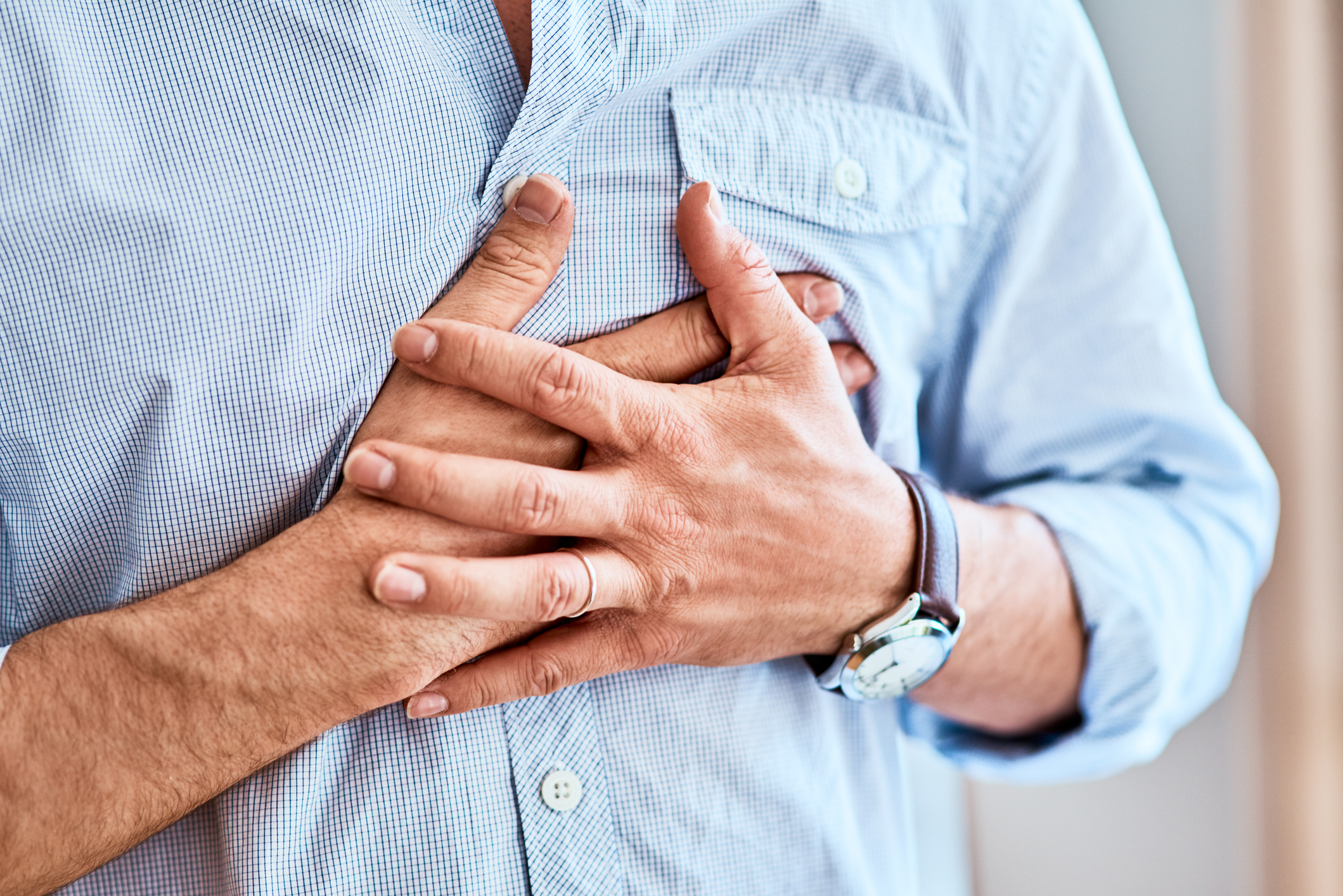
The heart has limited self-healing capabilities once damage occurs. *Illustration: AI*

The brain has limited ability to generate new nerve cells

The central nervous system, comprising the brain and spinal cord, possesses significantly more limited regenerative capacity than other tissues. While certain areas of the adult brain can generate new nerve cells to some extent, this capability is insufficient for complete regeneration of large damaged brain regions.

Following a stroke or brain injury, functional recovery often stems from the reorganization of existing neural connections, rather than the complete regeneration of lost cells.

The spinal cord struggles to restore neural pathways

The spinal cord is another tissue with limited regenerative capacity. When nerve axons suffer severe damage, they find it challenging to precisely re-establish connections with the brain and other body parts.

Mature nerve cells exhibit limited self-regeneration, and the environment at the injury site is often unfavorable for recovery. Numerous molecules and cells that emerge after trauma can create an inhibitory environment for axon regrowth.

Consequently, recovery from spinal cord injury typically depends on the extent and location of the damage, as well as treatment and rehabilitation efforts. Functional improvements do not indicate complete spinal cord regeneration.

Bao Bao (Compiled)
By VnExpress: https://vnexpress.net/4-bo-phan-co-the-kho-tu-phuc-hoi-sau-ton-thuong-5125090.html
Tags: injury self-healing body organ

News in the same category

Proper care for children with diarrhea

Proper care for children with diarrhea

Children with diarrhea need adequate rehydration, proper nutrition, good hygiene, monitoring for dehydration signs, and avoiding self-medication.

When children should avoid electronic devices

When children should avoid electronic devices

During meals, before bedtime, and while studying are crucial times parents should limit children's use of electronic devices.

Dietary changes to boost calcium intake

Dietary changes to boost calcium intake

Diversifying food sources, consuming small fish with bones, and pairing calcium-rich foods with magnesium, vitamin K, and protein can enhance the body's absorption of calcium.

Signs of testosterone decline in men

Signs of testosterone decline in men

Fatigue, difficulty maintaining muscle mass, an expanding waistline, and reduced libido are common indicators of declining testosterone levels in men.

Why do some people gain weight despite exercising more?

Why do some people gain weight despite exercising more?

I bought a 30 million VND gym package to lose weight, but after one month, I found myself eating well, sleeping soundly, and gaining weight. Why is this happening? (Huyen, 35, Hanoi)

Is snoring in a 10-year-old concerning?

Is snoring in a 10-year-old concerning?

My 10-year-old son has recently been snoring loudly, sometimes seeming to stop breathing for a few seconds, and wakes up tired. Is this condition worrying, doctor? (Hai Anh, Hanoi)

5 walking mistakes that silently damage knee joints

5 walking mistakes that silently damage knee joints

Walking is a simple exercise, beneficial for cardiovascular health and bones, but errors in posture, exercise habits, or choosing unsuitable footwear can silently cause knee joint damage.

Benefits of children eating porridge for breakfast

Benefits of children eating porridge for breakfast

Porridge is soft, easy to eat, and can combine various food groups to provide children with essential nutrients.

4 good morning habits for the thyroid gland

4 good morning habits for the thyroid gland

Sleeping and waking at the same time daily, along with eating a protein-rich breakfast, helps reduce stress-inducing cortisol hormone and maintains stable metabolic activity.

Dietary guidelines: what to eat and avoid with high blood lipids?

Dietary guidelines: what to eat and avoid with high blood lipids?

Individuals with high blood lipids should prioritize green vegetables, whole grains, legumes, fish, and nuts, while reducing foods high in saturated fat and fried items.

Eng English
China 中国人
  • News
  • World
  • Business
  • Entertainment
  • Sports
  • Law
  • Education
  • Health
  • Lifestyle
  • Travel
  • Science
  • Digital
  • Automobiles
FPT Tower, 10 Pham Van Bach Street, Dich Vong Ward,
Cau Giay District, Hanoi, Vietnam
Email: contacts@vnportal.net
Tel: 028 7300 9999 - Ext 8556
Advertise with us: 090 293 9644
Register
© Copyright 2026 vnnow.net. All rights reserved.
Terms of use Privacy policy Cookies